
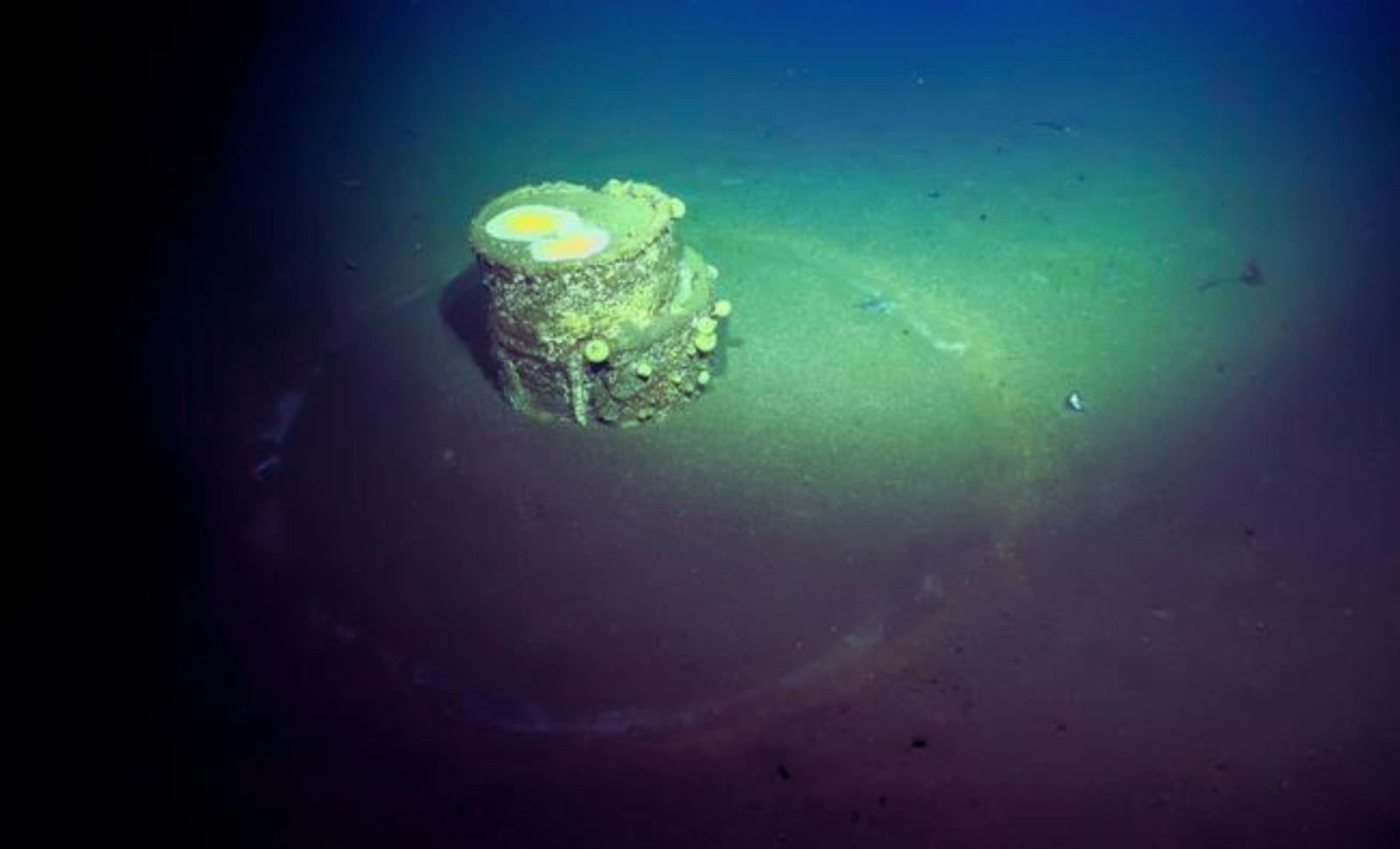
A vast underwater waste disposal site near Los Angeles is gradually revealing its hidden contents. Researchers have detected highly alkaline substances escaping from submerged barrels, creating hostile environments where the majority of marine life cannot thrive.
For many years, the seafloor in this area was known to be cluttered with industrial refuse, but the exact contents remained unclear. Recent investigations are now revealing more details about some of these barrels, raising serious environmental concerns.
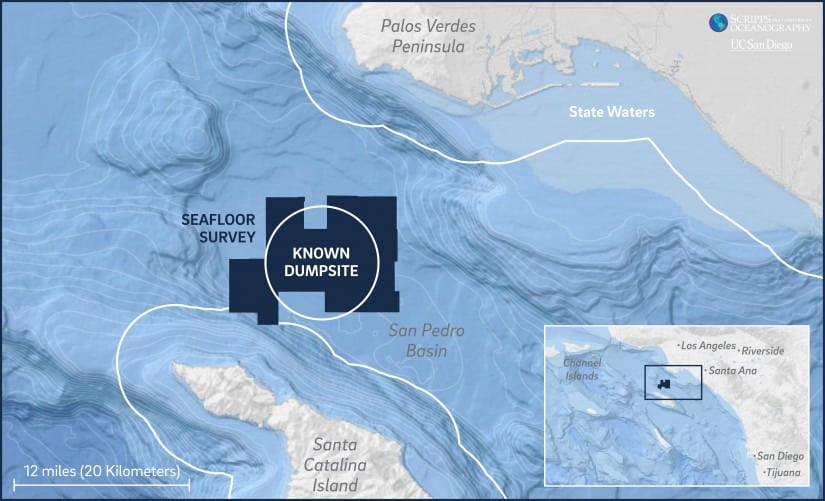
The dumping dates back to between the 1930s and early 1970s, a time when various wastes were systematically discarded offshore. Information from the U.S. Environmental Protection Agency reveals that chemical wastes, oil industry byproducts, radioactive materials, and military explosives were discarded across 14 known disposal sites.

This environmental issue was brought to light recently. In 2020, a Los Angeles Times investigation uncovered extensive barrel deposits scattered on the ocean floor. Subsequent expeditions from the Scripps Institution of Oceanography documented approximately 27,000 barrel-shaped objects and over 100,000 pieces of debris.
Alkaline Pollutants Identified as Culprits
Scientists had long suspected many barrels contained DDT, a banned pesticide known for regional contamination. However, new sediment tests challenge this assumption.
Published in PNAS Nexus, research led by microbiologist Johanna Gutleben found no elevated DDT concentrations near sampled barrels. Instead, three barrels encircled by distinct white halos exhibited sediment pH levels around 12, indicating strong alkalinity.
This suggests the presence of caustic alkaline waste rather than pesticide contamination. According to a statement from Scripps Institution of Oceanography, Gutleben commented:
“Up to this point we have mostly been looking for DDT. Nobody was thinking about alkaline waste before this and we may have to start looking for other things as well.”
The exact chemical makeup remains uncertain, but the study notes that processes involved in DDT manufacturing and oil refining can produce alkaline byproducts.
White Halos Reveal Intense Chemical Zones
The distinctive white rings observed surrounding many barrels result from chemical interactions caused by the leaking wastes. The research explains that the alkaline substances react with magnesium in seawater, creating brucite, a mineral forming a crusty surface. Over time, this mineral dissolves, sustaining elevated alkalinity in surrounding sediments and initiating further reactions that generate calcium carbonate deposits, visible as pale rings.
These halos serve as more than visual clues: they mark areas where chemical conditions have been profoundly altered. Scientists estimate around one-third of barrels display this feature.
Threatened Marine Ecosystems
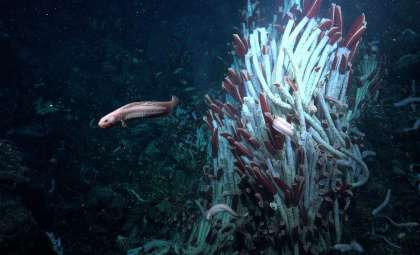
Samples taken near barrels exhibiting white halos revealed extremely low microbial DNA, suggesting that most life forms cannot tolerate the highly alkaline conditions. Researchers did encounter some specialized bacteria akin to those found in deep-sea hydrothermal vents or alkaline hot springs. These microbes thrive in extreme settings but account for only a minimal portion of biological diversity.
Notably, these impacts have endured for decades. Despite being over 50 years old, the waste continues to affect local environments. Co-author Paul Jensen stated:
“It’s shocking that 50-plus years later you’re still seeing these effects. We can’t quantify the environmental impact without knowing how many of these barrels with white halos are out there, but it’s clearly having a localized impact on microbes.”
This evidence points to alkaline waste acting as a persistent pollutant, capable of reshaping marine ecosystems for decades. Numerous details remain unknown—particularly the total number and precise contents of barrels—meaning researchers are only beginning to comprehend the full scope of this challenge.
- Categories:
- Science


0 comments
Sign in to Comment