
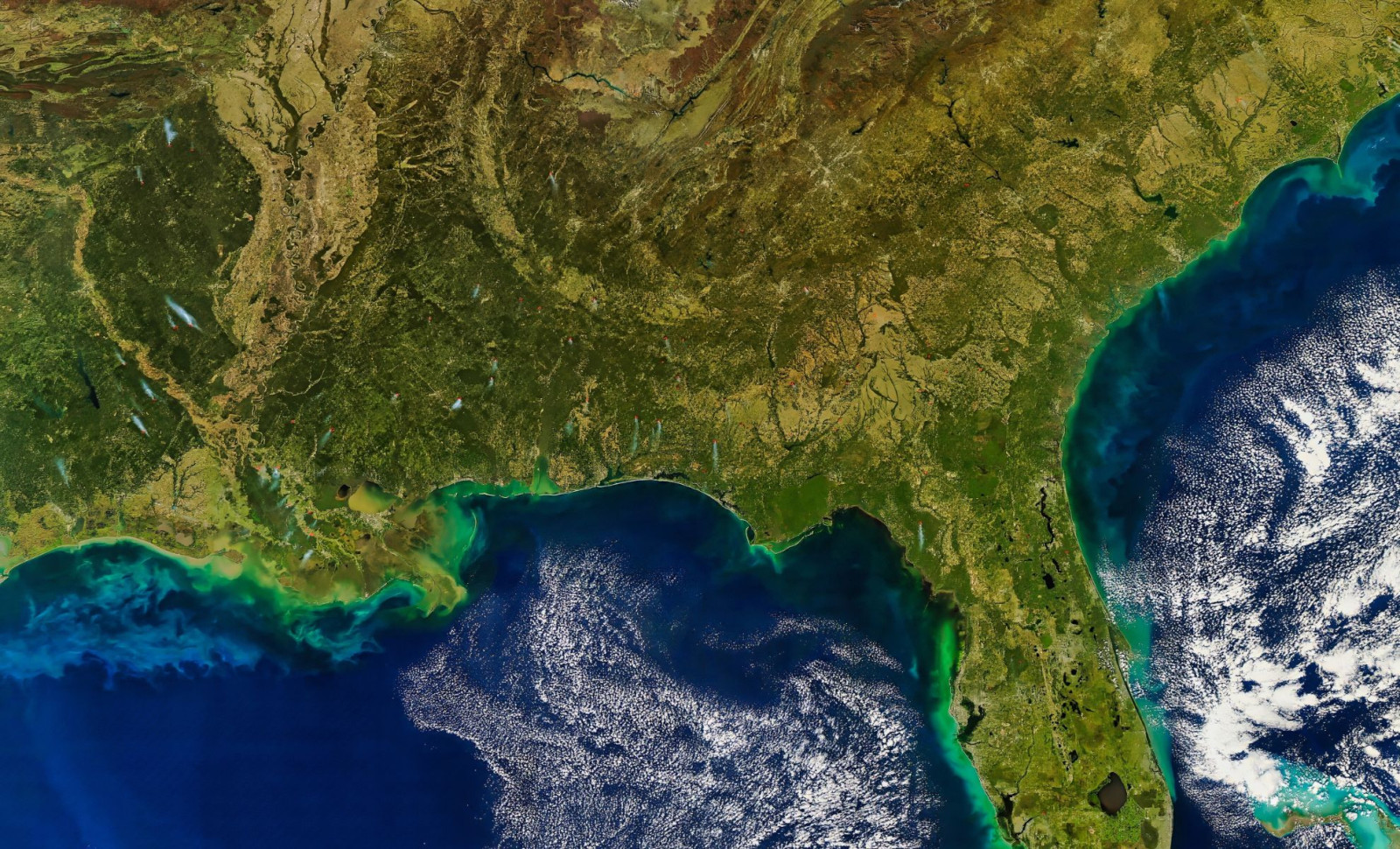
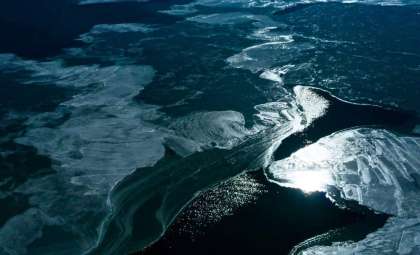
The United States has recently widened its underwater territorial claims by gaining exclusive rights over more than one million square kilometers of the ocean floor and its subsoil. This vast expanse, spanning sections of the Atlantic, Pacific, Arctic, and Gulf of Mexico, is nearly equivalent to twice the size of California. This achievement is grounded in decades of comprehensive geological research and adheres to established international maritime regulations.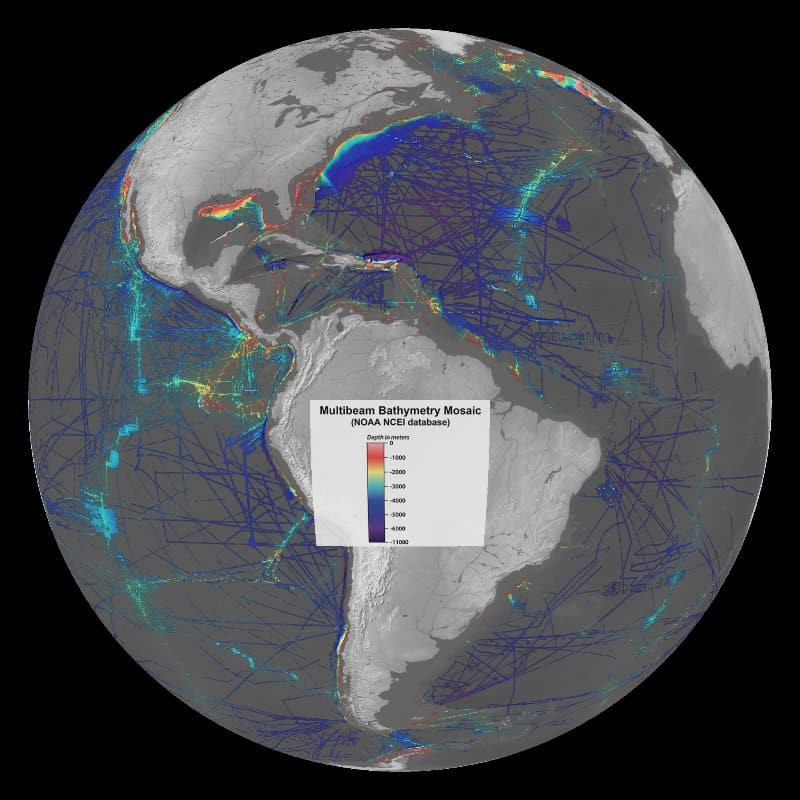
Even though the U.S. has not officially ratified the United Nations Convention on the Law of the Sea (UNCLOS), it follows the treaty’s guidelines to extend its continental shelf beyond the standard 200-nautical mile limit, provided it can demonstrate that the seabed is a natural continuation of its terrestrial landmass. As Earth.com notes, this ambitious project spanned more than 20 years and involved numerous agencies, including the State Department, NOAA, and the USGS. The extension grants the U.S. access to underwater resources and expanded environmental regulation, but does not confer authority over the water column or fisheries.
Years of Oceanographic Research Culminate in the Claim
The expanded boundary is the result of a detailed oceanographic research program initiated in 2003. According to Brian Van Pay, the lead official from the State Department, the U.S. undertook about 40 deep-sea explorations using seismic technology, bathymetric surveys, and sediment analysis to study previously uncharted areas.

These investigations unveiled geological formations like undiscovered seamounts and confirmed the geological connection between extensive sections of the seabed and the U.S. continental shelf. This scientific data was assembled into a comprehensive submission including maps, coordinates, and detailed justifications, which was then evaluated by the Commission on the Limits of the Continental Shelf (CLCS).
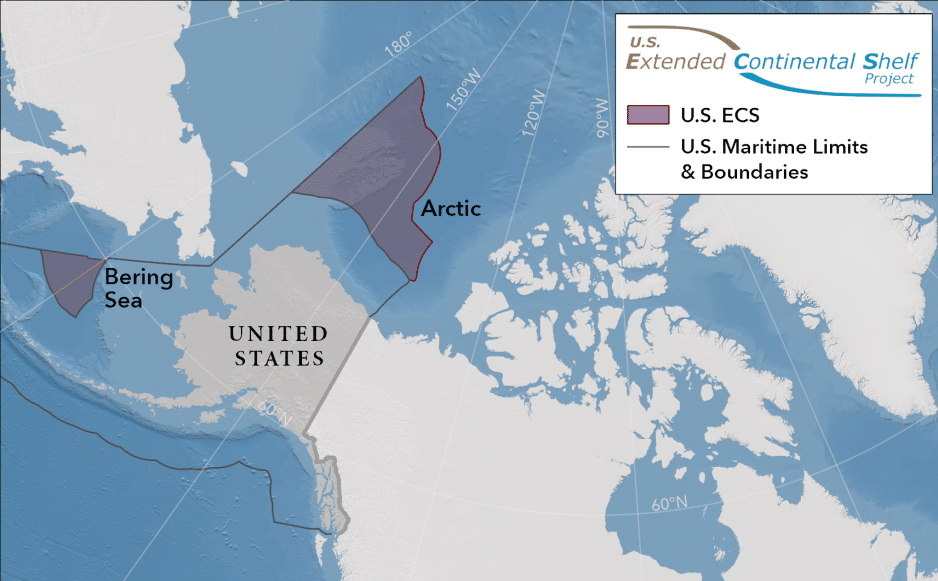
Although the U.S. is not an official member of UNCLOS, the CLCS assessed the submission according to Article 76, which specifies the scientific criteria for extending continental shelf claims. The commission's endorsement validates the claim within the treaty’s scientific parameters.
Legal Tensions and Political Implications
Despite the scientific basis for the ECS extension, it exists within a complex legal framework. The United States played an instrumental role in drafting UNCLOS in past decades but has refrained from formal ratification. As detailed by Earth.com, opposition from some U.S. senators centers on concerns regarding national sovereignty and financial responsibilities to international entities like the International Seabed Authority.
Conversely, military leaders including the U.S. Navy have advocated for ratification, arguing it is crucial to safeguarding navigation freedoms and pushing back against excessive maritime claims by rival countries. Although the U.S. remains outside the treaty, it invokes UNCLOS provisions to promote its maritime rights in contested waters like the South China Sea.
The freshly established ECS boundaries are unlikely to spark immediate territorial conflicts, though some overlaps may occur with Canadian claims, especially in the Arctic region. As Mead Treadwell, Alaska’s former lieutenant governor, observed, this expansion isn’t quite a "Louisiana Purchase," but its scale is truly remarkable.
Environmental Responsibilities and Resource Rights
With the ECS claim now formalized, the United States holds exclusive rights to develop and exploit mineral, oil, and gas resources located on and beneath this extended seabed. However, these rights specifically exclude fisheries and water column control, which are subject to separate maritime regulations.
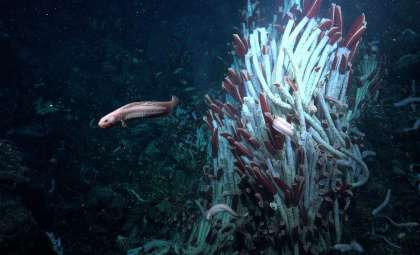
Earth.com highlights that environmental protection is a key component of the expanded jurisdiction. The enlarged territory enables the U.S. to safeguard sensitive marine habitats, some of which were discovered during the recent mapping expeditions. The challenge ahead will be balancing economic interests with preserving fragile ocean ecosystems.
According to Treadwell, the robustness of this claim is directly linked to the scientific integrity underpinning it.
“If somebody came back and said, ‘Your science is bad,’ I think the United States would listen,” he noted, adding that confidence in the data remains high.
This announcement places the U.S. alongside more than seventy-five nations that have officially delineated their extended continental shelf territories.
- Categories:
- Science




0 comments
Sign in to Comment