
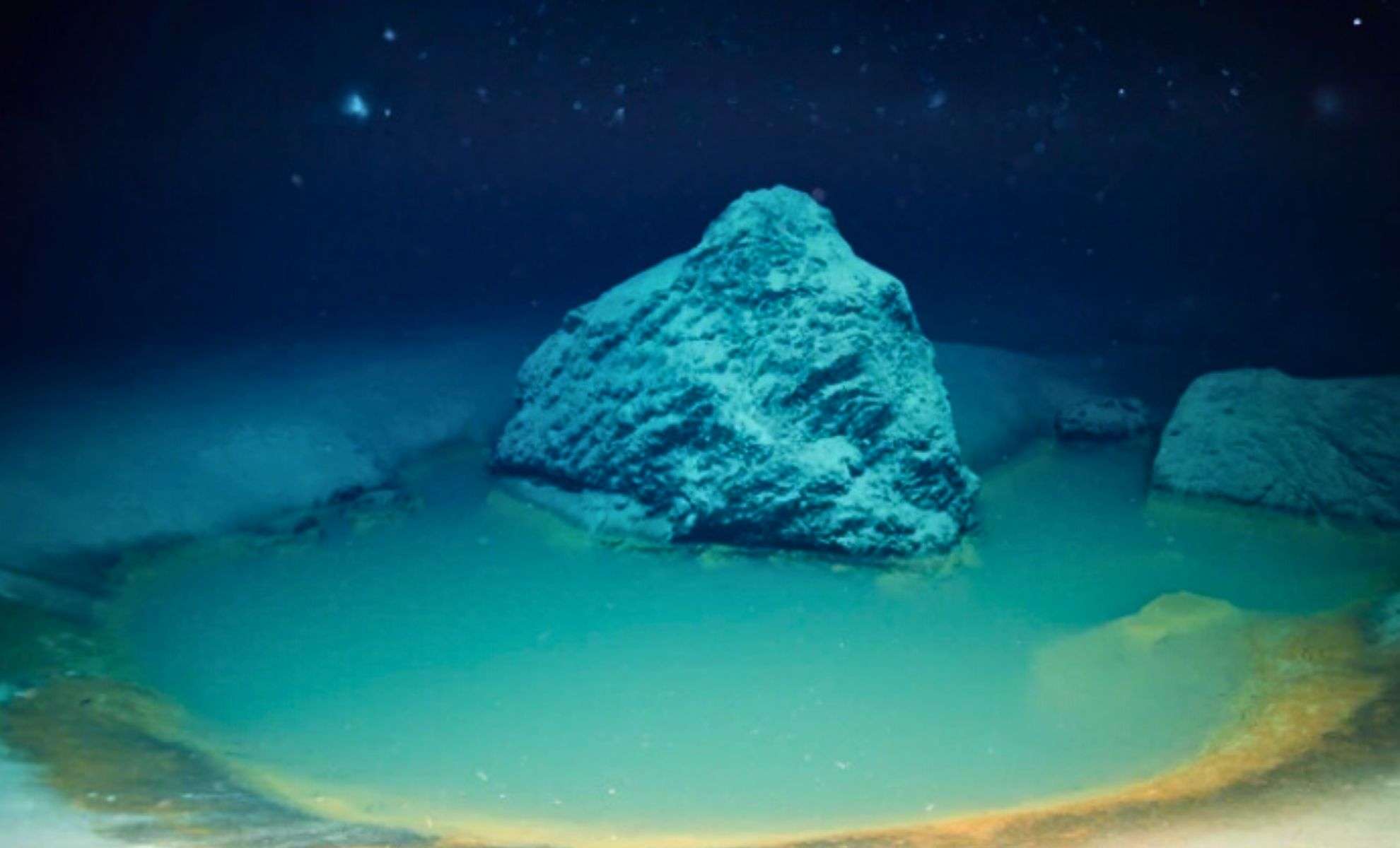
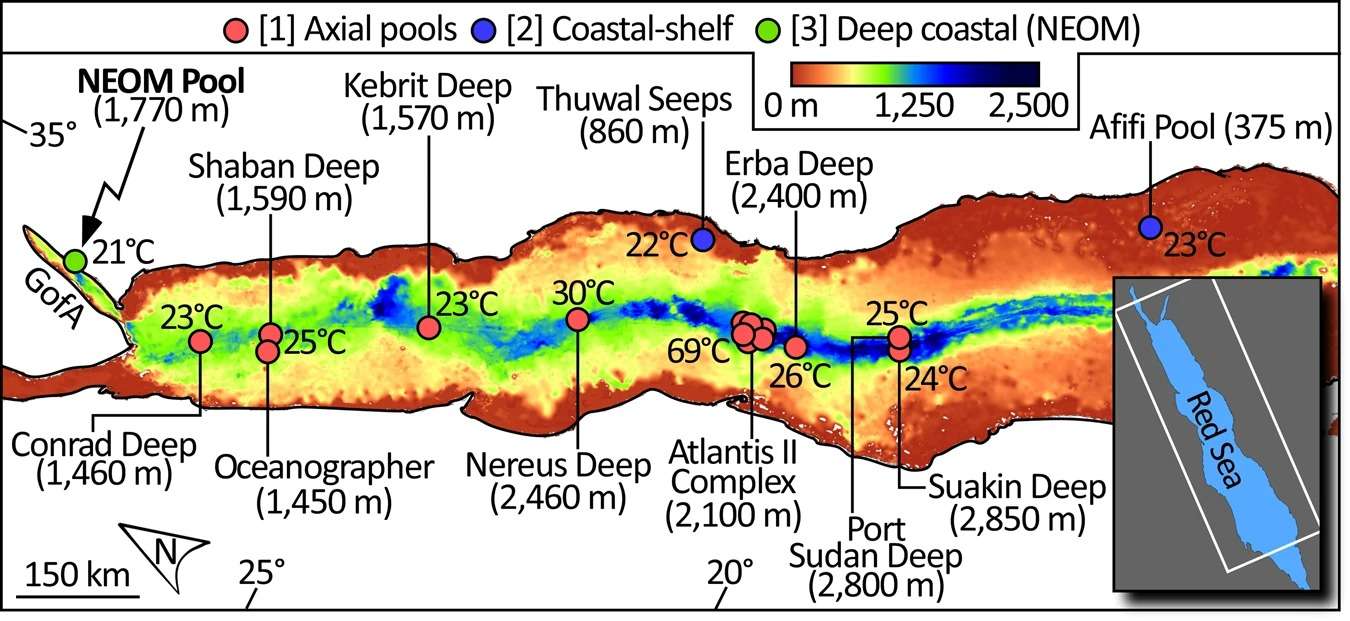
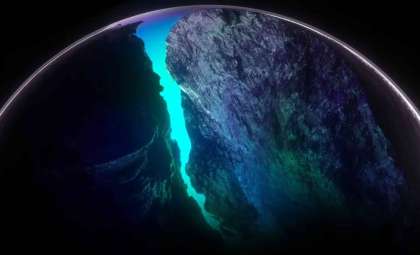
During what was supposed to be a standard deep-sea survey near the Saudi Arabian shoreline, researchers made an astonishing find. At 1,770 meters below sea level in the Gulf of Aqaba, a remotely operated vehicle detected glistening pockets of super-dense, highly saline water trapped within the seabed—completely devoid of oxygen and unnervingly still.
To casual observers, these formations might appear as just another geographical feature beneath the Red Sea's surface. However, marine geologists and astrobiologists recognize these “brine pools” as some of Earth’s most hostile habitats—so toxic that they instantly incapacitate or kill most marine life crossing their boundaries.
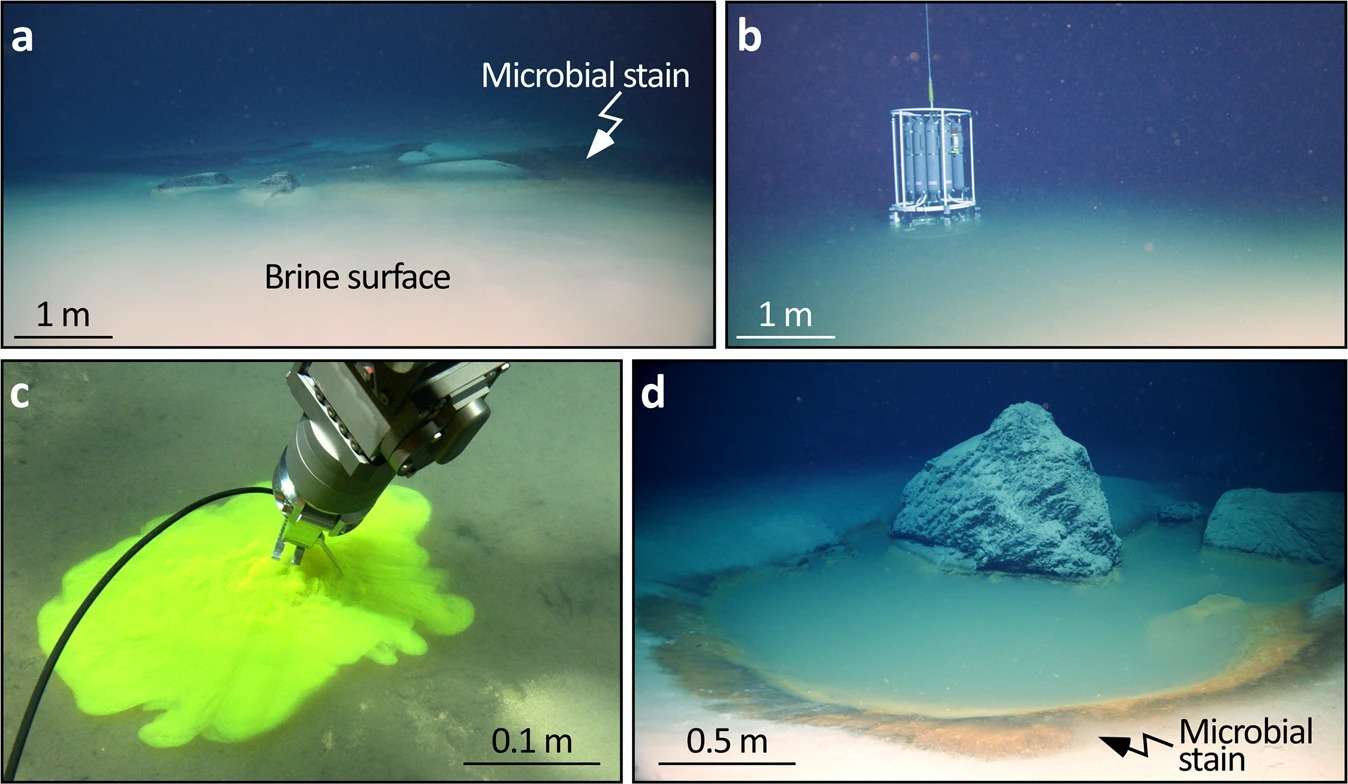
Yet despite this, vibrant ecosystems flourish around the edges of these pools. Predatory fish patrol their outskirts, bivalve mollusks attach to the margins, and microbial mats thrive in the transition zones where the living ocean meets these lethal brine sinks. Published in Nature Communications, the study points to these pools as possible terrestrial analogs for alien oceans and as archives preserving clues about Earth’s early biological history.

“This isn’t merely an odd feature,” explained Sam Purkis, lead researcher and marine geosciences chair at the University of Miami. “These brine pools might unlock mysteries about life’s origins on our planet—and hint at how it might arise elsewhere in the cosmos.”
A Secluded Ocean Within the Red Sea
Distinct from the better-studied brine pools located along the Red Sea’s central rift, the newly discovered NEOM Brine Pools sit within the Gulf of Aqaba, just two kilometers from land. Their proximity to the shoreline introduces unique environmental factors.
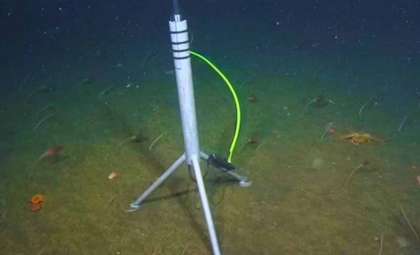
These pools are influenced by sediment runoff from adjacent coastal regions, including debris from sudden floods, earthquakes, and potentially tsunamis. Core samples extracted beneath the brine revealed undisturbed, stratified deposits spanning more than 1,200 years, documenting a clear timeline of geological events such as volcanic fallout and sediment layers in immaculate order, untouched by ocean dwellers or currents.
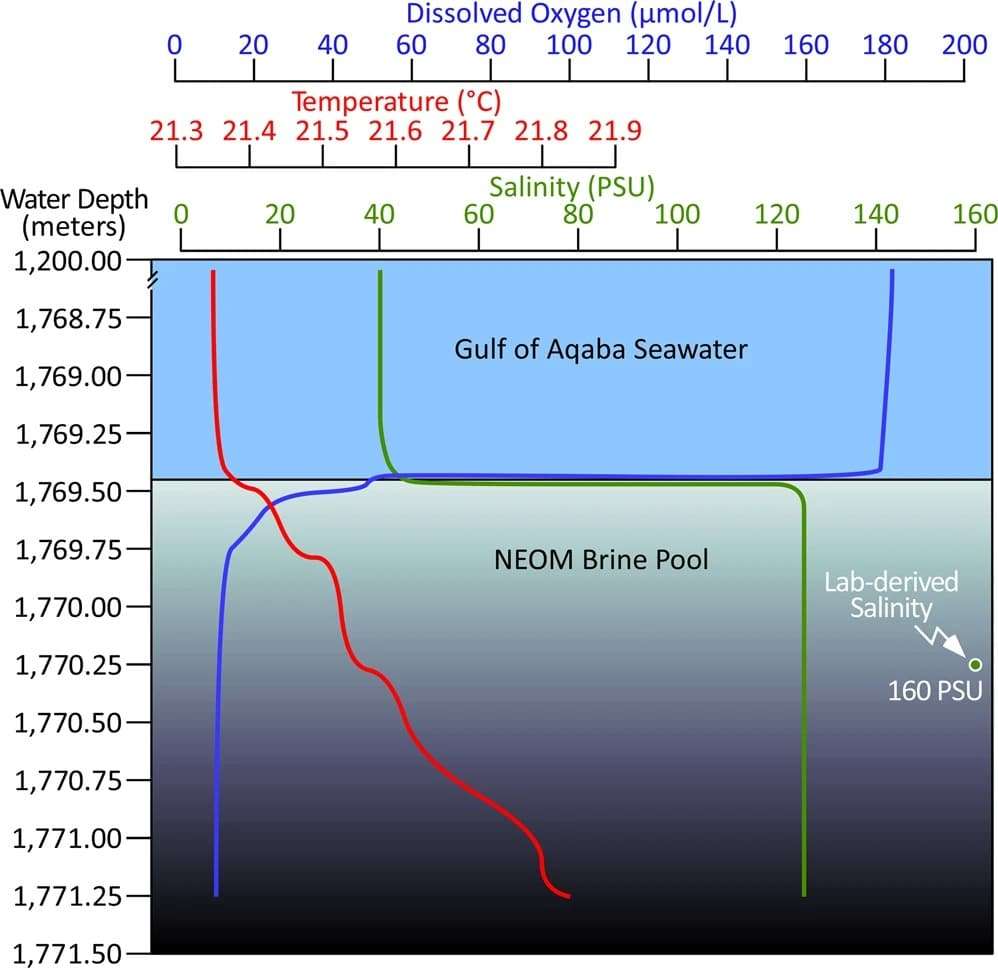
The reason these layers remain so pristine is tied to the pools’ lethal nature. Their waters harbor salinity nearly quadruple that of typical seawater and are virtually oxygen-free. This combination creates a natural preservation vault where both organic and inorganic materials lie untouched.
Purkis noted, “It’s like hitting the reset button. No disturbance by creatures or currents, just an unbroken historical record sealed beneath a thick saline barrier.”
Resilient Microbial Life in Extreme Conditions
Despite the hostile chemistry, life manages to adapt. Using 16S rRNA sequencing, the research team examined microbial mats at the brine edges, uncovering communities of extremophilic bacteria and archaea that survive in oxygen-starved conditions. They rely on chemical energy sources such as methane and sulfur compounds instead of sunlight.
These microorganisms are similar to those found in other oxygen-lacking settings like deep ocean vents or icy Antarctic lakes. Importantly, they resemble ancient microbes that could have populated early Earth’s oceans, making the NEOM pools valuable natural laboratories for studying primordial life.
Scientists are particularly fascinated by these microbes’ chemical-driven energy processes, known as chemosynthesis, which might also sustain life in similar environments beyond Earth, like the subsurface oceans beneath the icy crusts of Europa and Enceladus.
Predators Exploiting a Natural Trap
While the brine pools themselves are almost devoid of life, the surrounding waters buzz with activity. Predators such as bigeye houndsharks and deepwater shrimp exploit the deadly brine edges as hunting grounds.
Small fish and invertebrates venturing close to the brine lose motor function quickly, making them easy targets. Shrimp patrol just above this toxic boundary, waiting for prey, while eels dart along the margins. Researchers describe the area as a rare natural hunting trap, showcasing how extreme environments influence not only survival but also predation tactics.
“It’s effectively a kill zone,” Purkis explained. “Predators have adapted perfectly to this lethal edge, timing their ambushes with precision.”
Insights into Earth’s History and Environmental Change
The NEOM Brine Pools also serve as valuable archives for assessing long-term environmental and geological changes. Sediment cores recovered contain signs of past seismic disruptions, including possible traces of the 1995 Nuweiba earthquake and related tsunami activity.
This exceptional clarity is uncommon in marine sediment records, which are typically disturbed by biological activity and water movement. The absence of oxygen and life in these pools allows each sediment layer to remain undisturbed, offering climate scientists and seismologists a rare, detailed chronology of the region’s environmental history.
As Saudi Arabia advances ambitious coastal projects like the NEOM smart city, researchers emphasize the importance of safeguarding these hidden ecosystems. Despite being invisible to most observers, these pools may hold key information about life's origins and the potential for life elsewhere in our galaxy.
- Categories:
- Science



0 comments
Sign in to Comment