
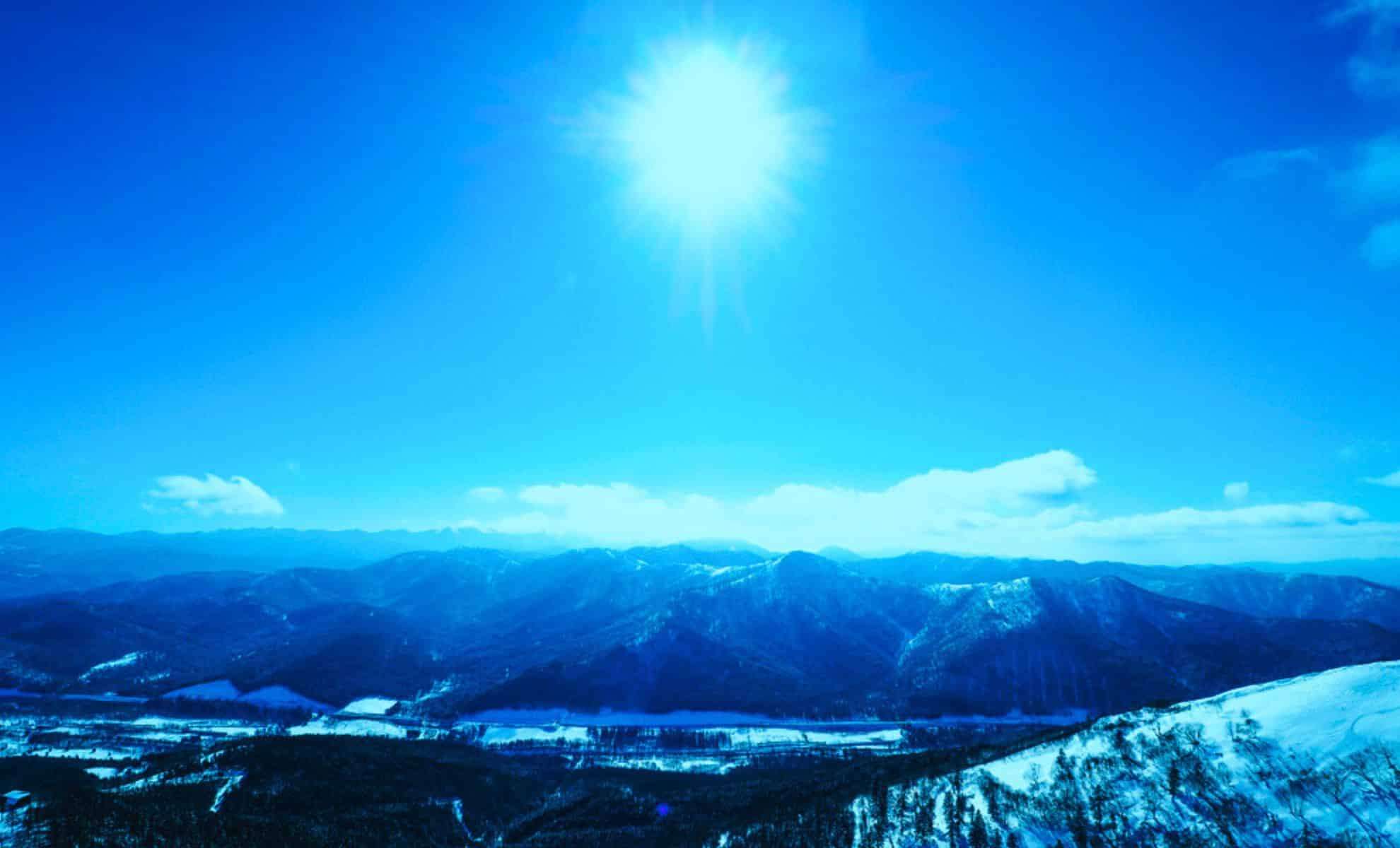
Scientists have likely unraveled a nearly 200-year-old climate puzzle, pinpointing a little-known volcanic eruption in Russia's Kuril Islands as the source of the unexpected cooling and unusual atmospheric phenomena observed in 1831, including reports of a blue-hued Sun over parts of the Northern Hemisphere.
Published in the Proceedings of the National Academy of Sciences, the research highlights the Zav-1 eruption emanating from the Zavaritskii caldera on Simushir Island, an isolated volcanic island northeast of Japan. This event likely expelled massive quantities of sulfur into the stratosphere, generating a global layer of sulfate aerosols that reflected sunlight and triggered profound climatic disturbances.
Unusual Weather and a Sun Unlike Any Other
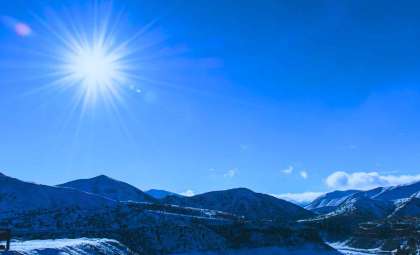
Eyewitness descriptions from 1831 recount a summer marked by unexpected cold spells, significant crop failures, and a Sun that at times appeared blue, violet, or even green. From Europe through eastern North America, skies took on an eerie tint, bathing the landscape in an unnatural light amid falling temperatures.

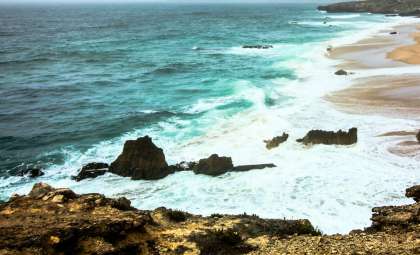
At the time, no documented eruption seemed capable of explaining these extensive atmospheric changes. One candidate—the Ferdinandea submarine volcano near Sicily—briefly erupted in July 1831, coinciding with blue sun observations. However, scientists now believe its emissions were too limited to account for widespread climatic effects.
“Ferdinandea probably accounts only for brief, localized occurrences in August,” explains Dr. William Hutchison, study lead and volcanologist at the University of St Andrews. “The main cause was a larger event that remained hidden until now.”
Ice Cores and Volcanic Glass Unlock the Past
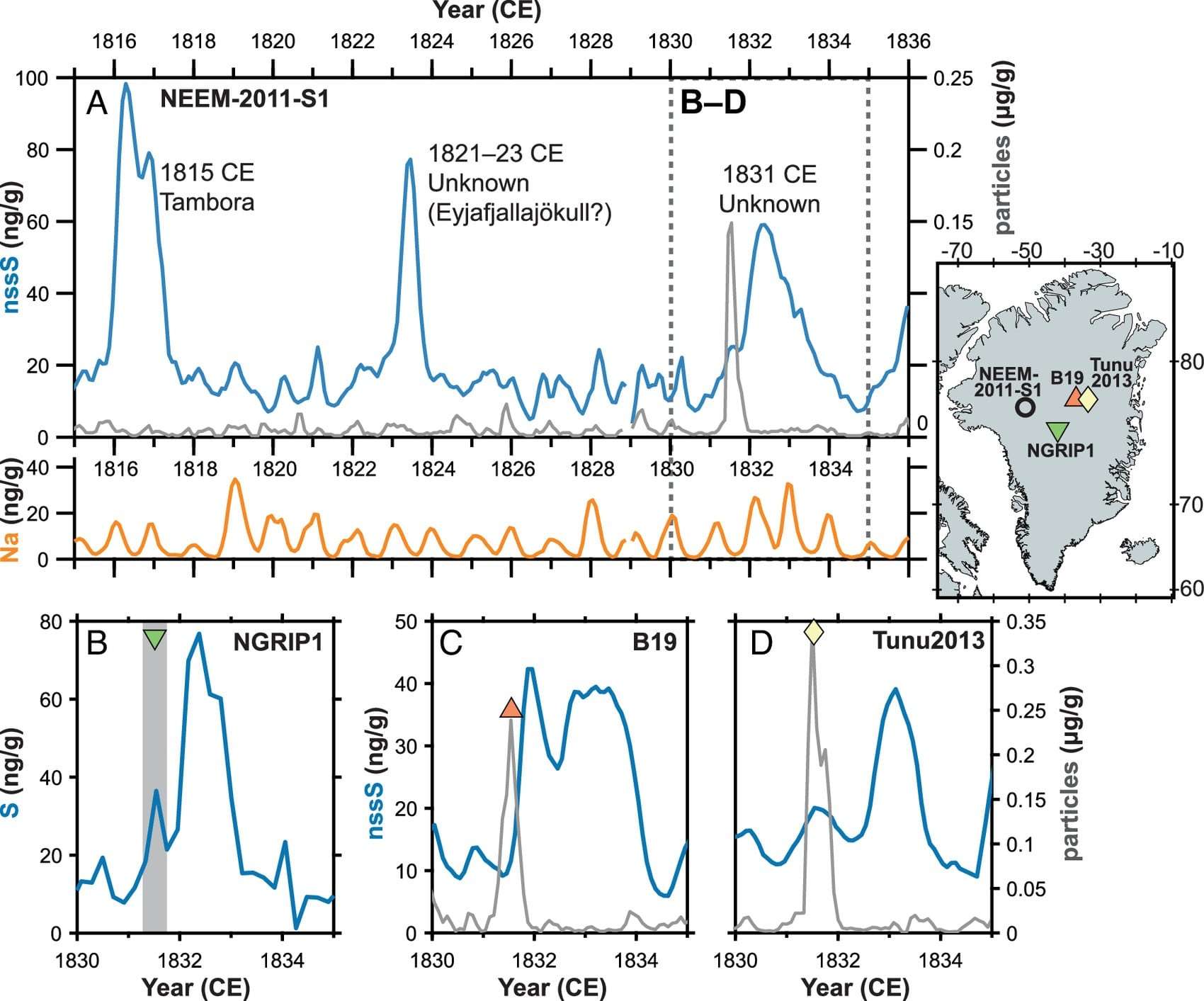
Hutchison’s team investigated ice cores from Greenland and Antarctica, recovering tiny volcanic glass fragments called cryptotephra. Chemical analysis linked these microscopic particles to pumice deposits on Simushir Island, specifically a substantial layer of gray ash from the Zav-1 eruption.
The chemical match represented a “Eureka moment,” according to the researchers. Yet, due to the region’s sparse 19th-century population—mainly small Indigenous Ainu groups and Russian colonial outposts—no direct written records of the eruption exist.
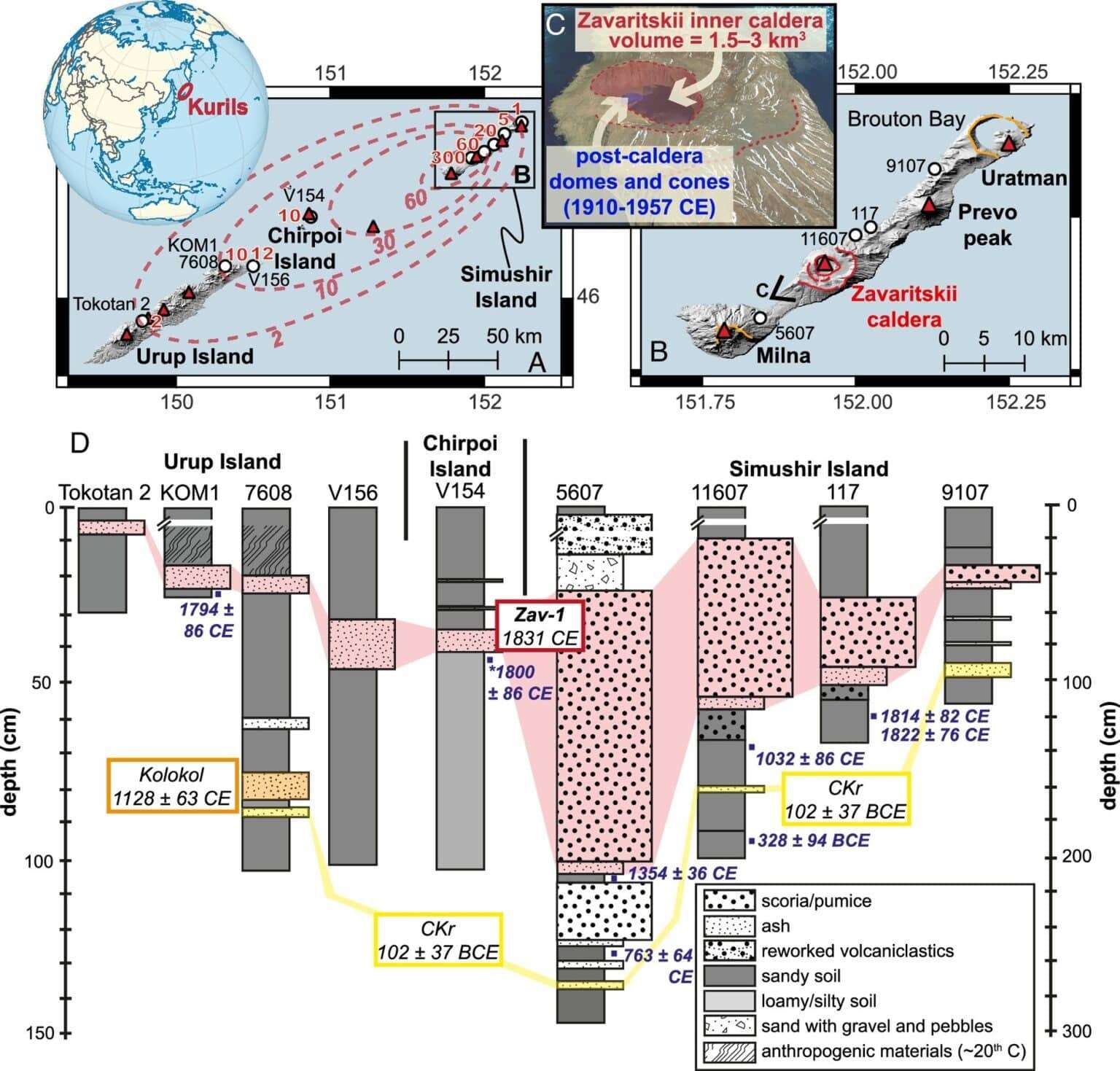
A convergence of evidence—including radiocarbon dating of soil and artifacts like muscovite windowpanes and corroded firearms beneath the ash, alongside tree-ring records and sulfur isotope studies—all point to the summer of 1831 as the eruption date.
Significant Global Effects From a Long-Forgotten Volcano
Researchers estimate the Zav-1 eruption released roughly 12 ± 3.5 teragrams of sulfur into the stratosphere. This level is comparable to the 1991 Pinatubo eruption, which lowered global temperatures by about 0.6°C. The Zav-1 event likely caused cooling between 0.5 and 1°C across the Northern Hemisphere from 1831 to 1833.
Utilizing the EVA_H atmospheric model, scientists simulated the volcano’s plume, which may have ascended to 23 kilometers, dispersing aerosols worldwide. These particles altered solar radiation distribution and disrupted monsoon patterns in regions like Africa and South Asia. The volcanic impact produced an estimated radiative forcing of −2 ± 1 watts per square meter, underscoring the eruption’s broad climatic reach.
“This was far more than a local event,” Hutchison told PNAS. “It was a stratospheric curtain with substantial consequences for global weather systems.”
- Categories:
- Science



0 comments
Sign in to Comment