
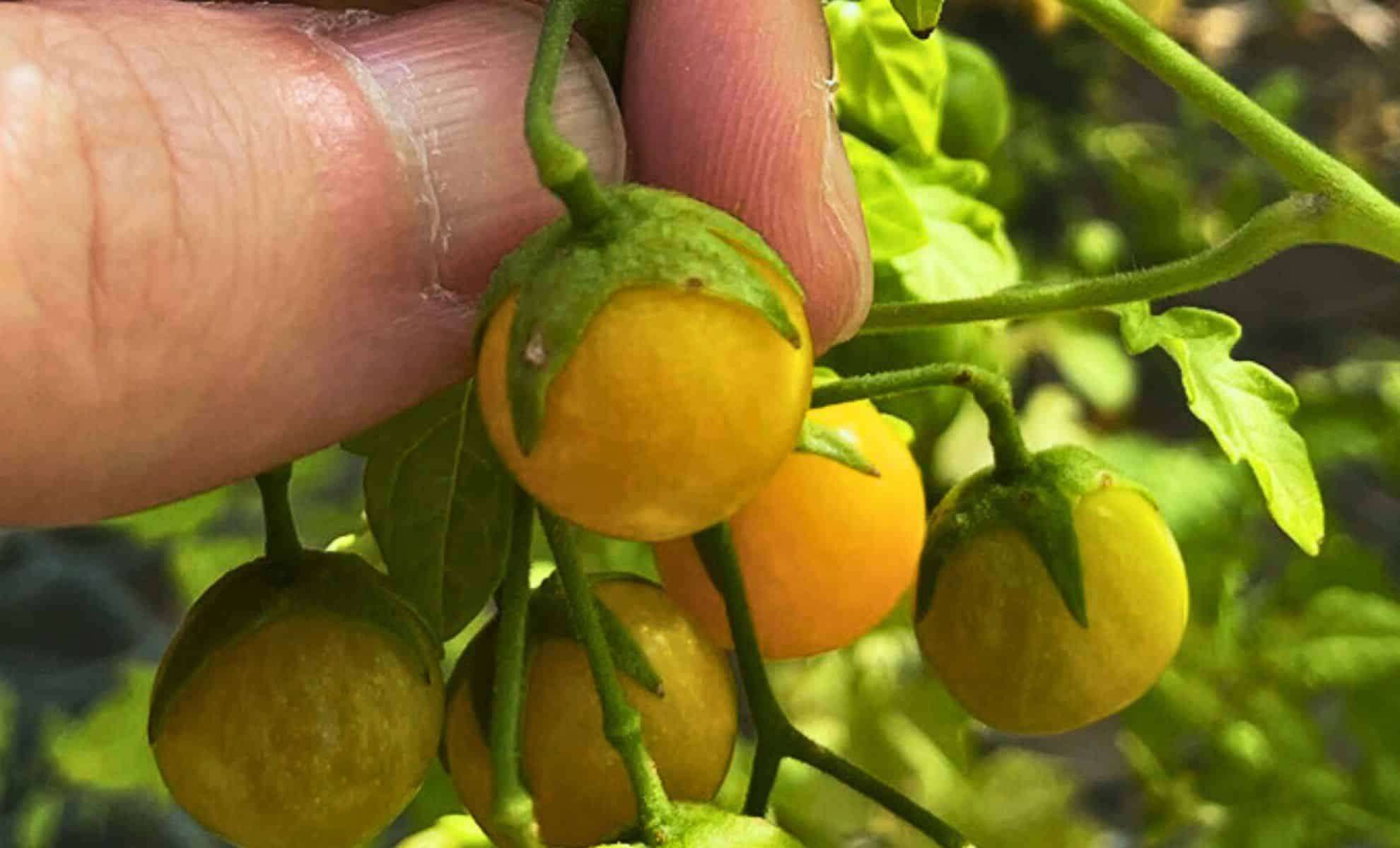
Researchers have unveiled a surprising genetic phenomenon in wild tomatoes from the Galápagos Islands, where these plants appear to be reverting to ancient evolutionary characteristics. This unexpected discovery sheds new light on the complexities of evolution, suggesting it can sometimes proceed in reverse, opening new avenues for genetic research.
Reversing Evolution: Galápagos Tomatoes Rediscovering Their Past
Scientists from the University of California, Riverside and the Weizmann Institute of Science in Israel have documented a rare case of evolutionary reversal within two native Galápagos tomato species—Solanum cheesmaniae and Solanum galapagense. Published in Nature Communications, their study showed that specimens from the western islands are exhibiting traits that vanished from their lineage millions of years ago.
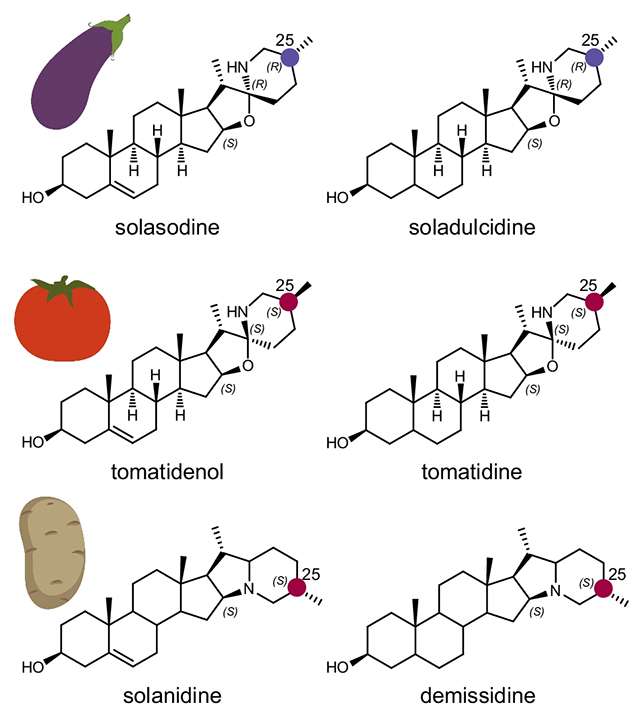
In particular, these wild tomatoes have begun synthesizing alkaloids, defensive chemicals resembling those found in the tomato’s distant relatives such as eggplants. The structure of these alkaloids harks back to a much older evolutionary state, indicating a genetic regression rather than progression.

Decoding the Disappearance of Modern Alkaloids
Examining 56 samples from across the Galápagos Islands, the team identified a striking variation in alkaloid composition between plants from the older eastern islands and those from the younger western islands. Tomatoes from the east bore alkaloids common to cultivated varieties, while western plants produced a chemically ancient version, similar to those of earlier tomato ancestors.
These alkaloids serve as toxins deterring herbivores, providing crucial protection. Genetic analysis pinpointed a single enzyme as the key player in this change; a few amino acid substitutions within this enzyme triggered the synthesis of these long-lost alkaloids.
Challenging the One-Direction View of Evolution
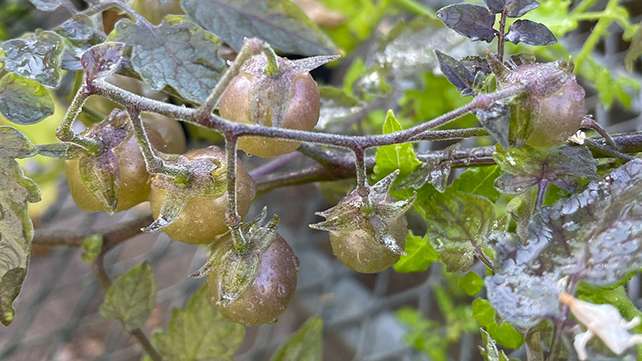
Traditional evolutionary models portray species adapting progressively to their surroundings. However, this study introduces the concept of “genetic atavism,” where organisms can re-express traits lost in ancestral lineages. Although such backward traits have been documented in labs—such as chickens developing teeth—this is one of the first instances observed in naturally occurring wild plants.
The presence of these atavistic tomatoes on the western Galápagos, islands younger than 500,000 years, suggests environmental factors like harsh, barren landscapes may accelerate such genetic reversals, prompting reconsideration of the tempo and direction of evolutionary dynamics.
Potential Impact on Agriculture and Biotechnology
The implications extend to agricultural innovation, as comprehending mechanisms behind such evolutionary reversals could enable targeted manipulation of plant genetics. This holds promise for breeding crops with enhanced pest resistance or reduced toxin levels through deliberate control of chemical pathways.
“Our findings represent a significant step toward understanding nature’s capacity to remodel genetic pathways, potentially allowing us to design crops that are more resilient and safer,” explained molecular biochemist Adam Jozwiak of UC Riverside, leader of the research team.
The study’s insights also hint at novel avenues for pharmaceutical development, leveraging nature’s molecular flexibility. Ongoing research aims to fully explore how these reverse evolutionary processes might revolutionize crop science and genetic engineering.
- Categories:
- Science












0 comments
Sign in to Comment