

A groundbreaking seismic investigation has revealed extensive deformation patterns nearly 1,800 miles beneath the Earth's surface, highlighting a connection between these deep motions and ancient tectonic plates that have descended into the planet over millions of years.
Within Earth's mantle, gradual yet persistent motion fuels geological activity that shapes the planet’s exterior. While the upper mantle's dynamics are fairly well understood, the lowermost mantle just above the core-mantle boundary remains largely elusive to direct observation.
Published in The Seismic Record, the study shows this lower mantle region acts as a crucial driver for heat flow and material cycling deep inside Earth, linking internal processes to surface tectonics.

Comprehensive Seismic Data Illuminate Deep Mantle Structure
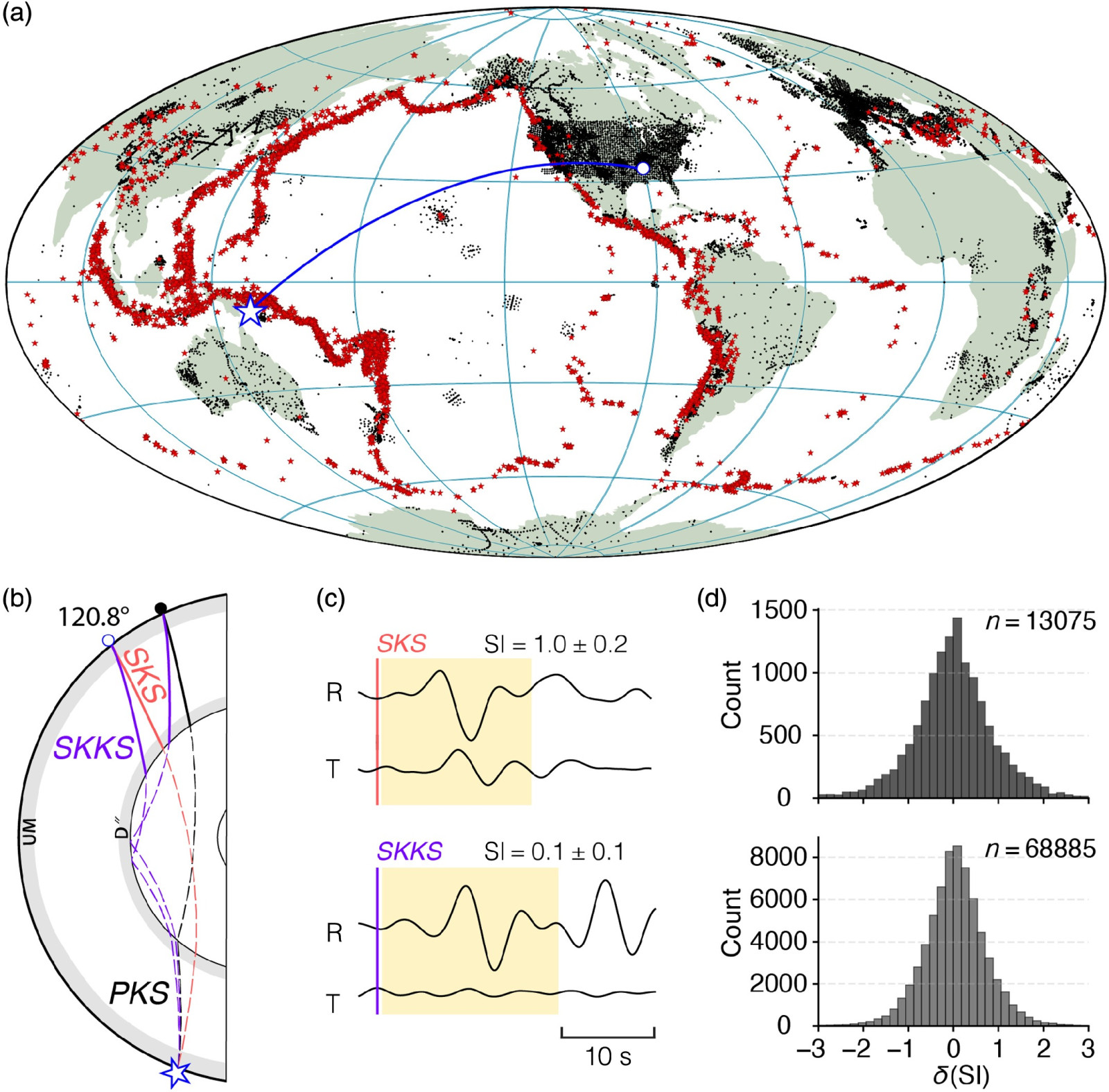
To probe this hidden domain, a team led by Jonathan Wolf at the University of California, Berkeley, examined more than 16 million seismogram records sourced from 24 global databases. This marks the most extensive seismic dataset utilized for analyzing the mantle's lowest regions.
The researchers concentrated on shear waves triggered by earthquakes—waves that traverse the mantle, interact with the core, and return—whose behaviors vary based on the properties of materials they pass through. This variation, known as seismic anisotropy, reveals where mantle rocks have been deformed.
Employing this technique, the team successfully charted nearly 75% of the mantle beneath the core-mantle interface, detecting anisotropy in about two-thirds of those areas.
Ancient Subducted Plates Influence Intense Deformation Patterns
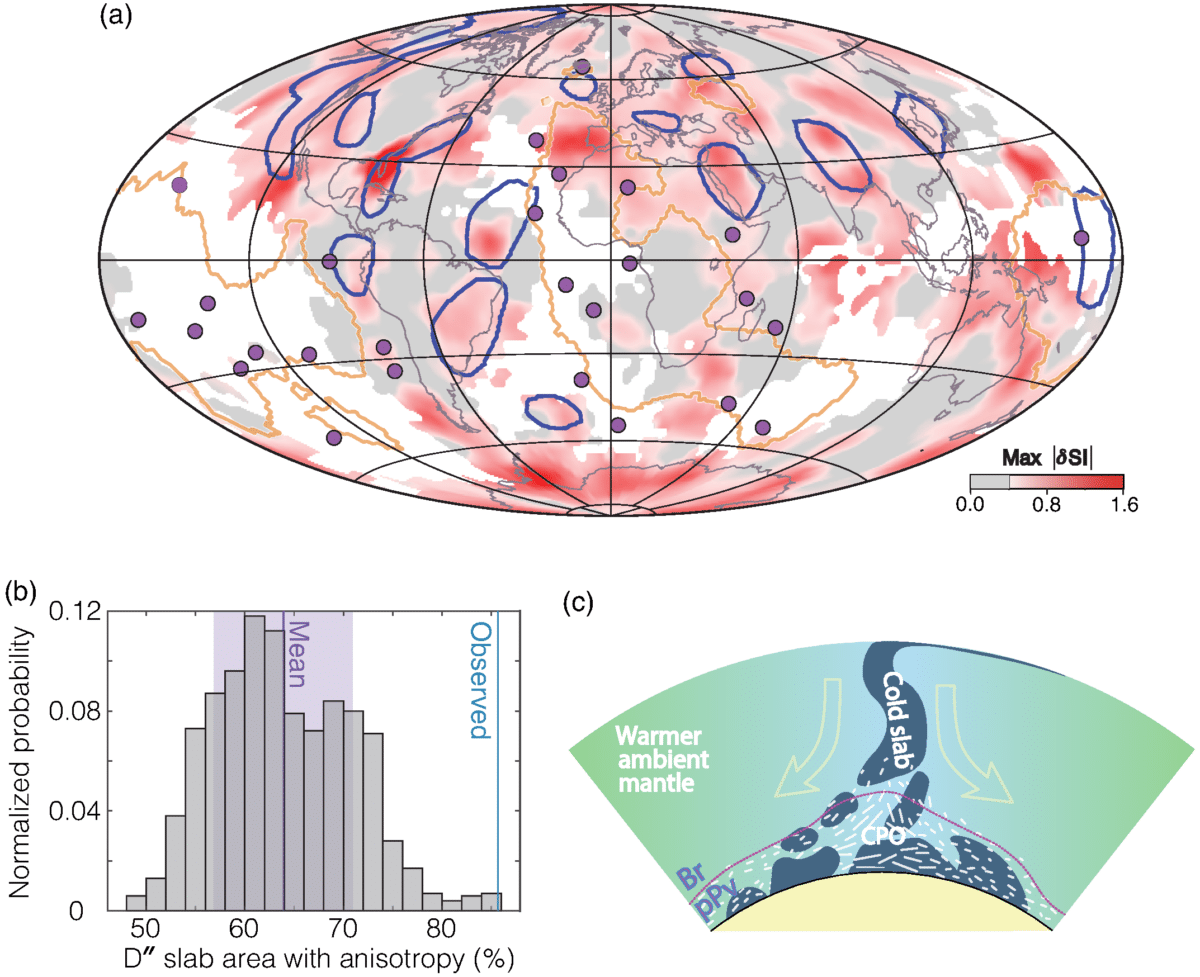
One striking outcome is the marked concentration of deformation in zones where old tectonic slabs—formerly part of Earth's surface—have sunk into the mantle through subduction and now rest at great depth.
The Seismic Record reports that observed anisotropy correlates closely with regions where these slabs have accumulated, validating predictions made by earlier geodynamic models—an achievement not previously demonstrated on a global scale using seismic data, despite prior studies such as those involving Mars.
“This isn’t that surprising in a sense, because that is predicted by geodynamic simulations,” Wolf said. “But at the scale that we’re looking at, it’s not really been shown using those methods that we’re using.”
Extremely High Pressure Alters Mantle Materials
Near depths of 2,900 kilometers, the intense pressure and heat substantially modify mineral structures, possibly giving rise to new forms of anisotropy. These transformations likely explain much of the deformation detected adjacent to the core. Wolf pointed out:
“We know that deformation in the upper mantle is dominated by the drag of the plates that move across it. And that extremely well approximates what we know from seismic anisotropy about the deformation of the upper mantle.” He added: “but we don’t have any of this kind of large-scale understanding for flow in the lowermost mantle. And that’s really what we want to get at.”
Some subducted slabs may preserve ancient structural features formed closer to Earth’s surface, but the study concludes that ongoing deformation near the core-mantle boundary is the predominant cause in many cases. Not every area exhibited clear seismic anisotropy, though the researchers note this does not imply a lack of deformation but rather reflects current limitations in detection technology.
The latest study describes the enormous dataset as a "rich resource" with potential for additional discoveries.
- Categories:
- Science










0 comments
Sign in to Comment