
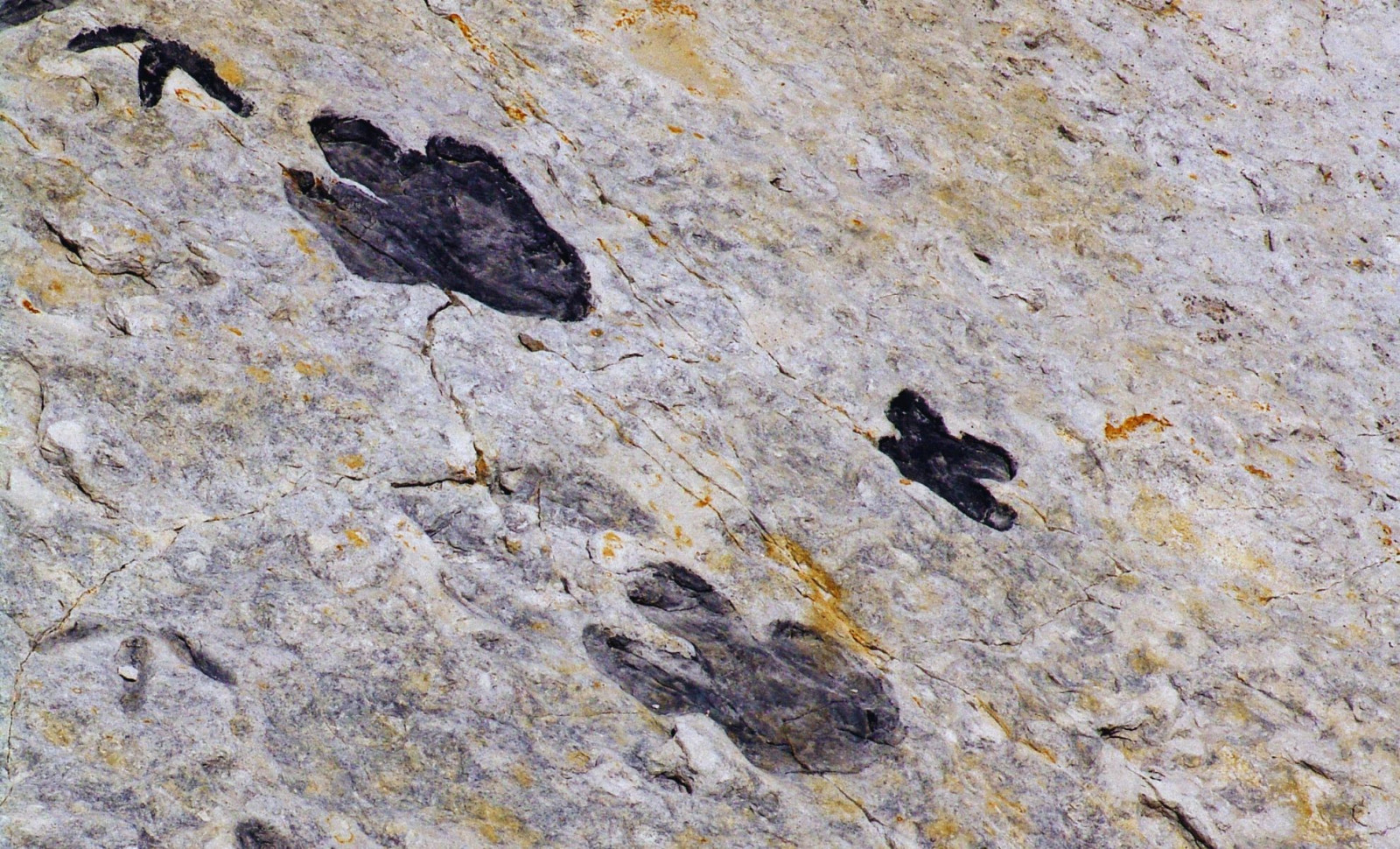
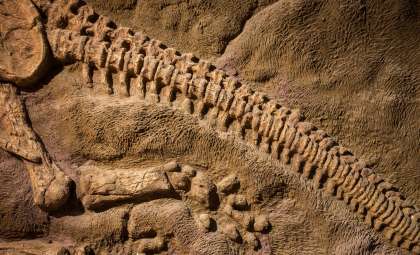
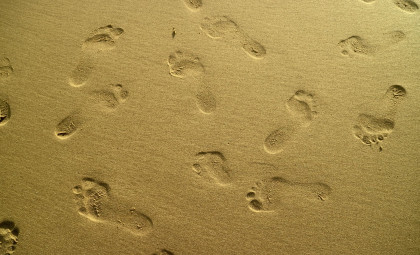
Researchers have uncovered a group of dinosaur footprints dating back approximately 132 million years along a lesser-known part of South Africa’s southern shore. These fossils demonstrate that dinosaurs continued to traverse this region during the early Cretaceous period.
Southern Africa boasts a notable fossil heritage, particularly within the Karoo Basin, which contains numerous dinosaur trackways from the Triassic and Jurassic epochs. However, volcanic eruptions around 182 million years ago deposited extensive lava flows that obscured many of the subsequent track records.
Published in the South African Journal of Science, new research explains how these ancient eruptions covered earlier sediment layers, limiting available evidence from later periods—making early Cretaceous finds especially rare until this recent discovery.

Compact Site Rich in Dinosaur Tracks
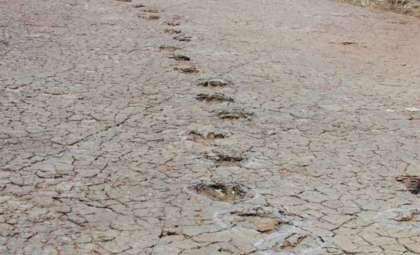
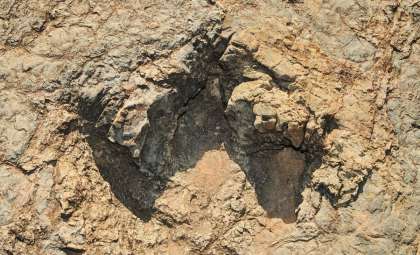
The footprints were identified within the Brenton Formation near Knysna in the Western Cape. Despite the modest size of the site—only about 40 meters by 5 meters—it contains over two dozen possible dinosaur footprints.
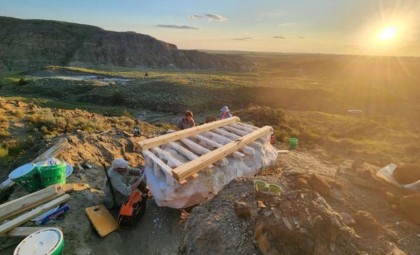
The research led by Charles W. Helm revealed the footprints during fieldwork conducted in early 2025. The team initially sought fossil remains like a theropod tooth previously found in the area. Instead, team member Linda Helm spotted the first footprint, prompting detailed scrutiny that uncovered numerous additional prints.
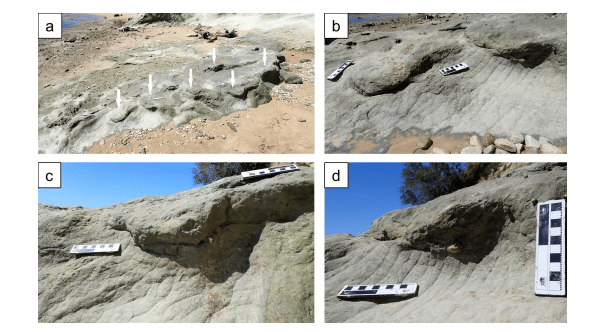
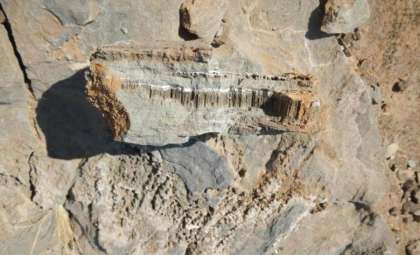
The dense concentration in such a limited area indicates repeated passage of dinosaurs. Tracks appear both on horizontal surfaces and within cliff wall impressions.
Oldest Known Dinosaur Tracks in the Area
Dating to roughly 132 million years ago, these tracks represent the youngest dinosaur footprints documented in southern Africa, extending the fossil timeline forward by nearly 50 million years beyond prior discoveries in the Karoo Basin.
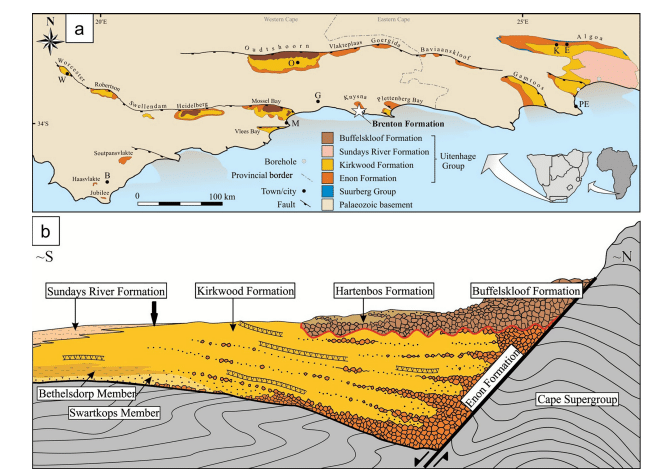
This marks only the second documented occurrence of Cretaceous dinosaur footprints in South Africa and the second within the Western Cape. Such finds are uncommon partly because rocks from this era rarely surface. The researchers highlighted:
“The first dinosaur tracks reported in the province were recently identified in the Robberg Formation, part of the Uitenhage Group, and dated to around 140 million years ago.”
Situated within the current intertidal zone, the footprints are submerged at high tide, complicating study efforts and exposing them to ongoing erosion.
Diverse Dinosaur Types Indicated by Footprints
The trackways suggest multiple dinosaur groups, including theropods, with possible evidence of ornithopods and sauropods. Determining which species left specific prints can be challenging, as noted by the team.
“The trackmaker assemblage is interpreted to include theropods, possibly ornithopods and possibly sauropods. These form the probable youngest reported dinosaur tracks in southern Africa, the second record of dinosaur tracks from the southern African Cretaceous, and the second record from the Western Cape Province,” explained the authors.
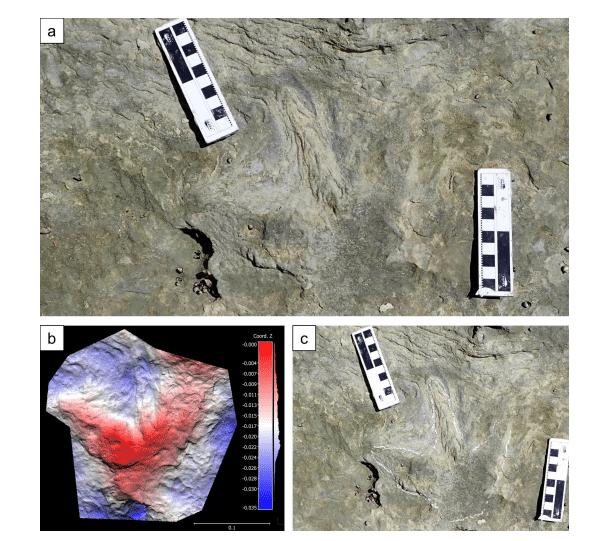
The varied footprints imply a diverse dinosaur community, potentially inhabiting habitats like riverbeds or sandy floodplains where they frequently traveled, leaving lasting imprints that turned to stone.
Discoveries from both the Brenton and Robberg Formations hint that other similar track sites may be found in the future. Additional non-marine Cretaceous rock exposures have been documented in the Western and Eastern Cape, suggesting the fossil record for this epoch is still expanding.
- Categories:
- Science

0 comments
Sign in to Comment