
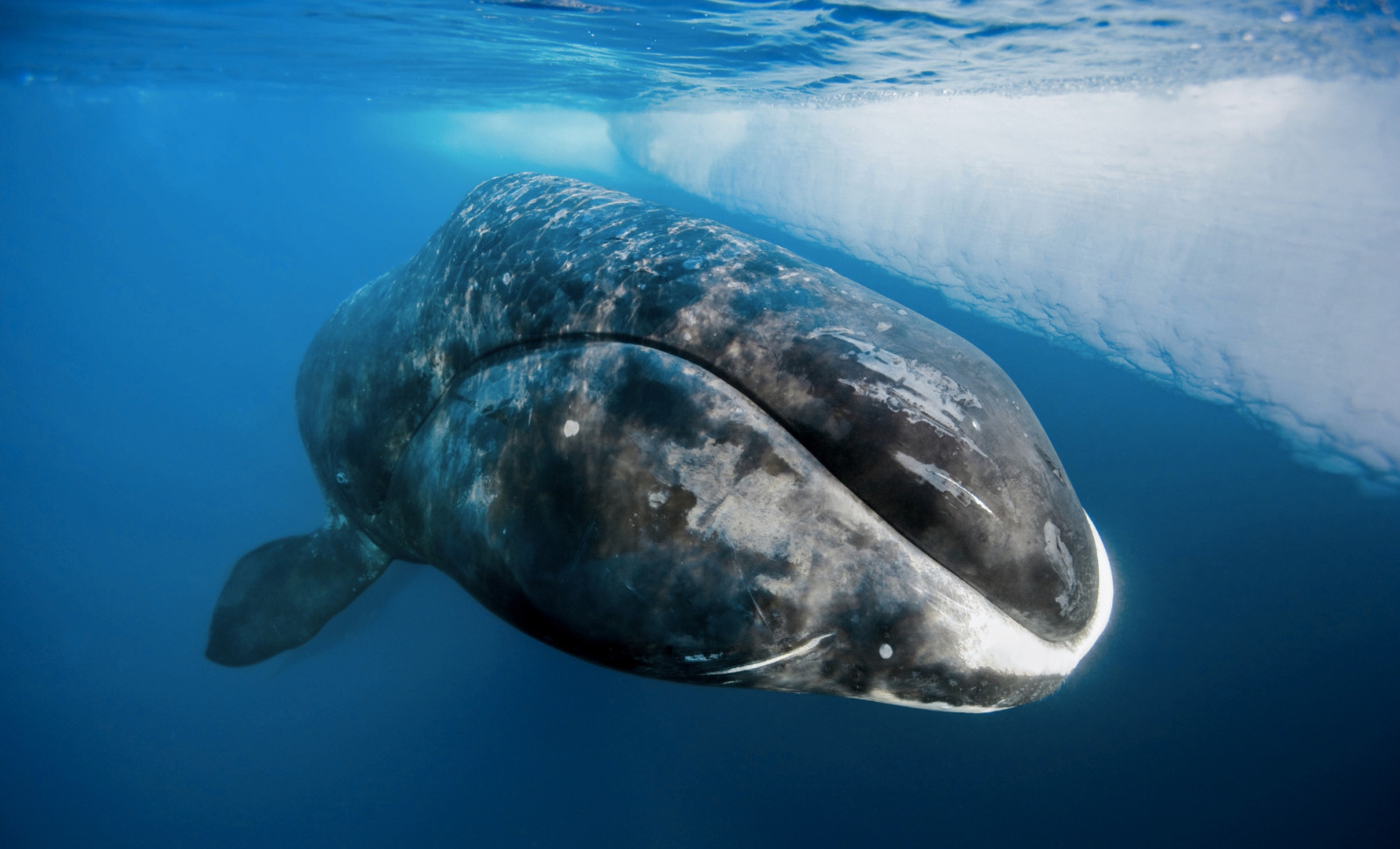
Far beneath the Arctic Ocean's shifting sea ice, an enormous marine creature glides through waters that hover near freezing temperatures year-round. This giant is the Bowhead Whale, tipping the scales at over 100 tons and stretching as long as 18 meters, ranking among Earth's largest mammals. Beyond its immense size, scientists are captivated by its incredible lifespan. Studies indicate this whale has unique biological traits enabling it to remain healthy far beyond typical mammalian lifespans.
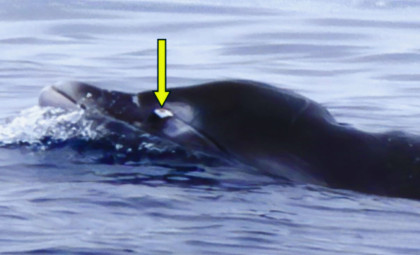
For many years, researchers have gathered evidence showing Bowhead Whales often surpass the century mark, with some individuals possibly living past 200 years. A remarkable discovery occurred when hunters pulled a harpoon tip from the Victorian era embedded in a living whale, illustrating the creature had endured with this injury for more than 100 years.
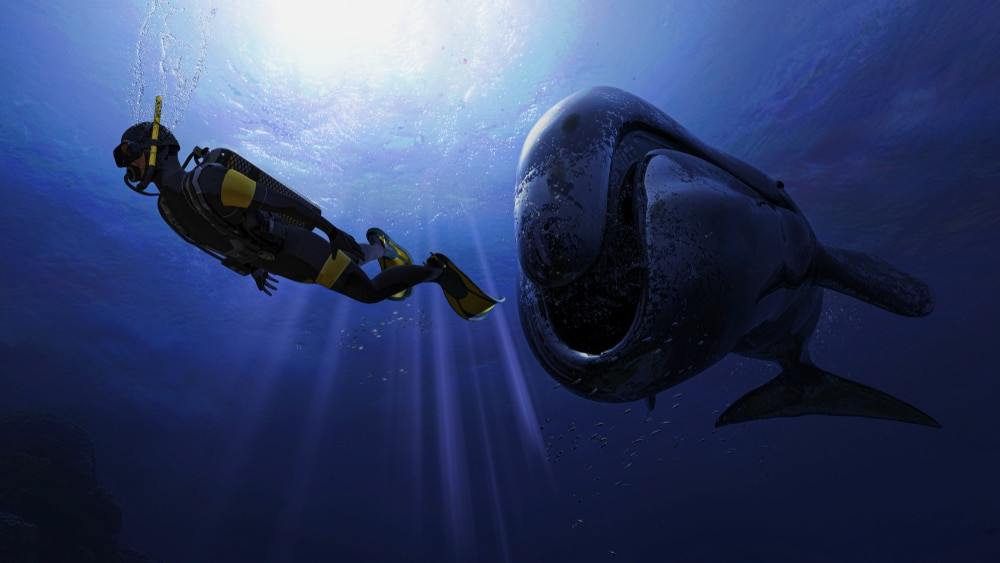
Historical records date the harpoon's creation to approximately 1890. Furthermore, age determination techniques analyzing eye lens proteins estimate some Bowhead Whales may reach up to 211 years in the wild, as reported in research published on PubMed.

Unraveling the Longevity Enigma of Large Mammals
The astonishing lifespan of the Bowhead Whale challenges established biological assumptions. Larger animals possess trillions of cells, each holding DNA susceptible to damage over time. Intuitively, more cells should equate to higher risks of cancer and genetic mutation-related ailments.
Nevertheless, whales do not exhibit significantly increased cancer rates compared to smaller species, a phenomenon known as Peto’s paradox. This paradox highlights the unexpected observation that large animals evade cancer levels predicted by statistical models. Thus, animals like the Bowhead Whale likely have advanced mechanisms that maintain genetic integrity through extensive lifespans.
To explore these protective systems, researchers compared the biology of long-lived mammals to those with shorter lifespans, seeking molecular pathways that guard cells from accumulating damage. Among the teams investigating this is that of Vera Gorbunova and Andrei Seluanov from the University of Rochester, specializing in aging and cancer resistance.
Decoding the Bowhead Whale Genome for Longevity Clues
This group scrutinized gene expression patterns in Bowhead Whales compared to other mammals to uncover candidates involved in enhanced DNA maintenance and repair. Their analysis pointed to an elevated expression of a protein called CIRBP (cold-inducible RNA-binding protein).
CIRBP is typically produced by mammals, including humans, as part of a cellular response to environmental stress. It stabilizes RNA molecules, which carry genetic codes vital for protein synthesis. By preserving RNA and interacting with repair processes, CIRBP plays a crucial role in safeguarding genetic material.
In Bowhead Whales, however, this protein's activity is markedly higher than in most mammals. Research published in the journal Nature suggests this amplified CIRBP expression could be central to cellular protection against damage that accumulates over extensive lifespans.
The Role of CIRBP in Cellular DNA Protection
Further investigations demonstrated CIRBP's key involvement in DNA stability. When DNA strands experience breaks or chemical disruptions, CIRBP assists in activating the repair pathways. These molecular routes detect damaged DNA sections and orchestrate the restoration of the original genetic code.
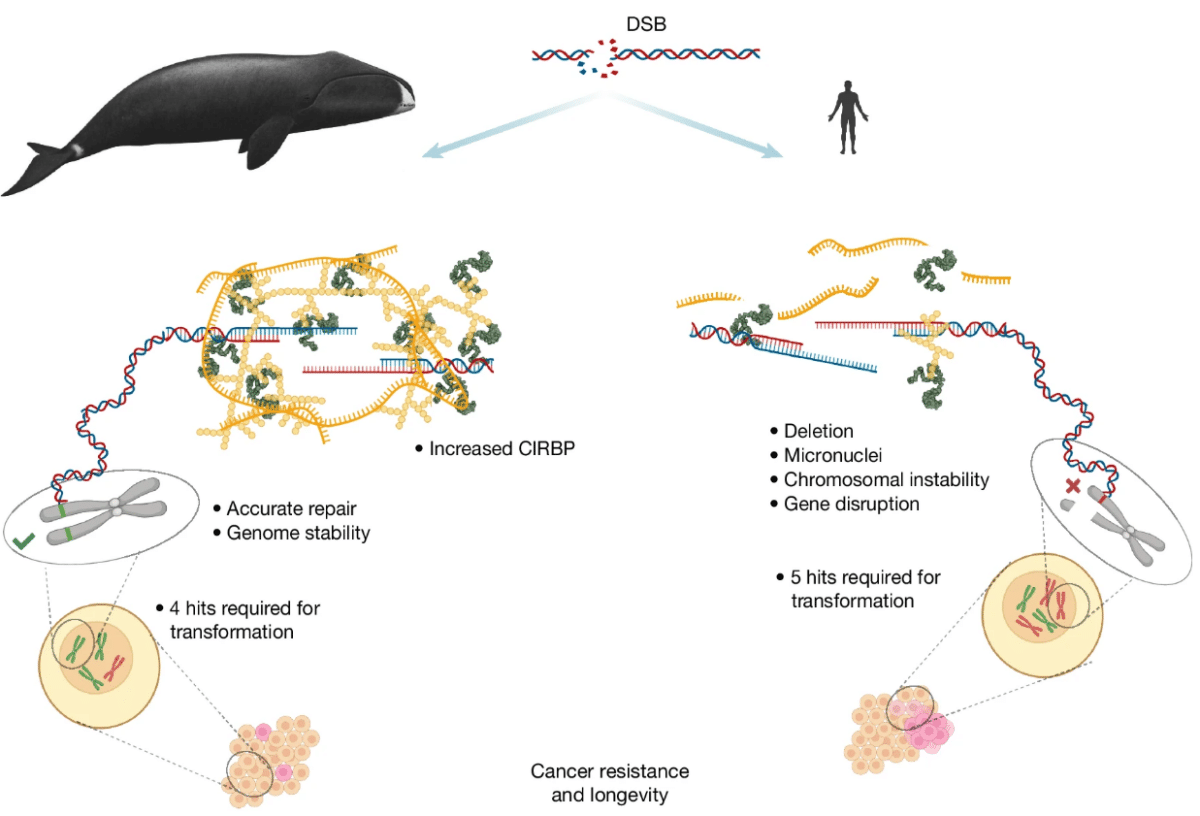
Proper DNA repair is critical to avoid the buildup of mutations that impair cellular functions. Over many years, even minor genetic errors can lead to tissue malfunctions, organ degradation, or cancer. By boosting repair mechanisms, CIRBP helps maintain genetic fidelity through countless cellular divisions.
Moreover, the protein influences inflammatory signaling within tissues. Chronic inflammation is a major factor in aging and related diseases. Modulating inflammation through CIRBP may help sustain healthier cellular environments for longer.
Modeling Whale Longevity Mechanisms in the Lab
To assess the impact of CIRBP, scientists introduced the Bowhead Whale version of this protein into Drosophila melanogaster, the common fruit fly widely used in genetic studies. Fruit flies offer a practical model for lifespan research due to their short generation times.
Flies with enhanced CIRBP activity lived longer than controls and exhibited greater resilience against cellular stress, showing fewer DNA damage markers. These findings imply that fortifying DNA repair pathways can extend lifespan in certain organisms.
Although fruit flies differ greatly from whales and humans, these experiments shed light on the conserved role of CIRBP across species and may inform future research on aging and genetic preservation in larger mammals.
- Categories:
- Science







0 comments
Sign in to Comment