

For almost 100 years, the Bermuda Triangle has intrigued the public with stories of ships and planes mysteriously vanishing. This expansive area, covering about 700,000 square kilometers between Florida, Puerto Rico, and Bermuda, has earned nicknames such as the Devil’s Triangle and Hoodoo Sea due to over 70 alleged disappearances, including the well-known Flight 19 incident from 1945.
However, many oceanographers and maritime authorities now believe the supposed mysteries can be explained by natural factors, labeling the incidents as statistically ordinary. They point to a combination of harsh weather conditions, navigation errors, and human mistakes as the main reasons behind the disappearances. Notably, Lloyd’s of London, a renowned insurance group, has consistently declined to classify the area as especially dangerous, upholding regular insurance rates for vessels traversing the zone.
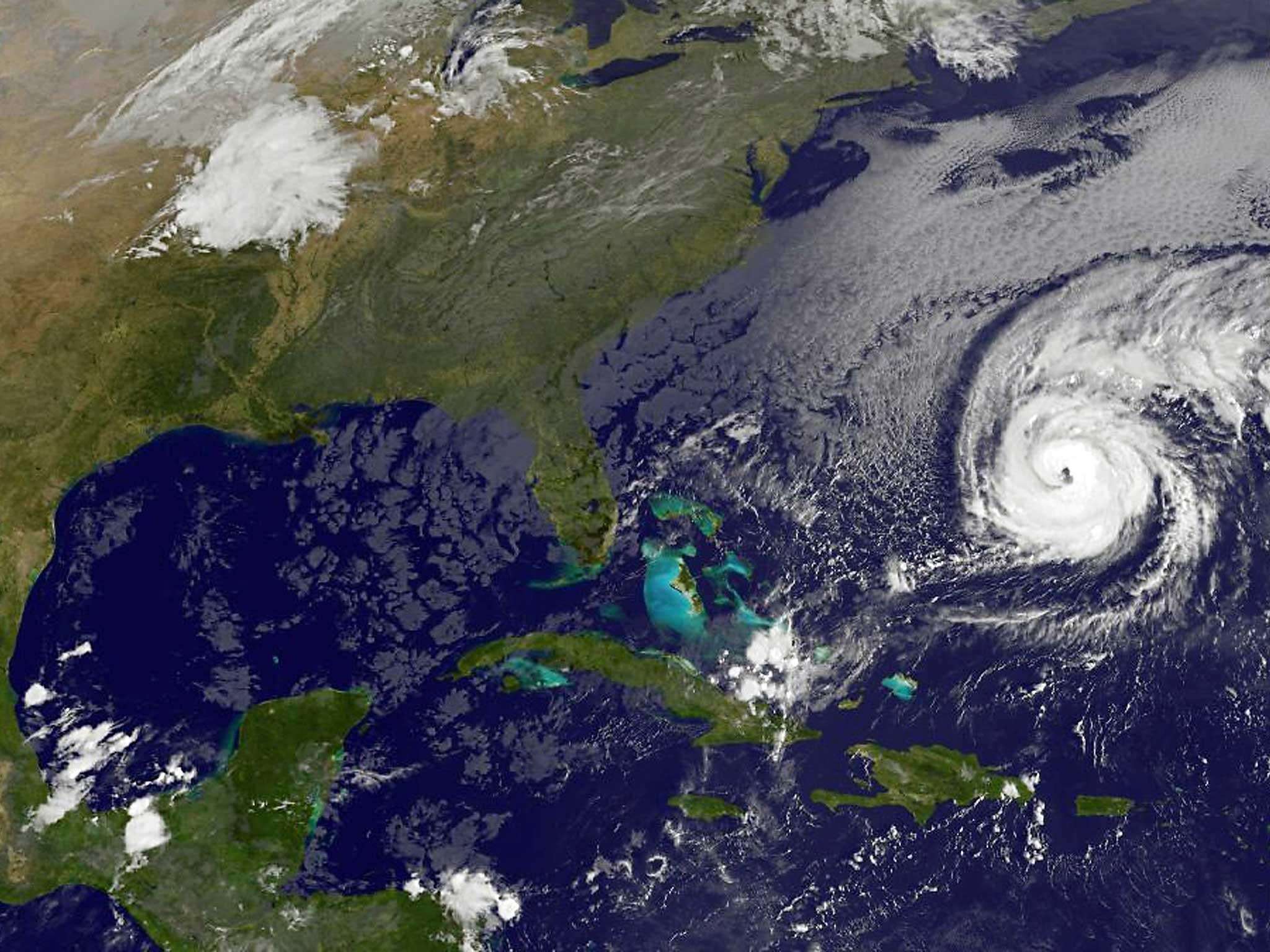
Supporting this viewpoint are the U.S. Coast Guard and the National Oceanic and Atmospheric Administration (NOAA), both of which have publicly denied that the Bermuda Triangle is uniquely hazardous. A NOAA bulletin from 2010 explains, “There is no evidence that mysterious disappearances occur with any greater frequency in the Bermuda Triangle than in any other large, well-traveled area of the ocean.”

Enormous Waves, Magnetic Variations, and Chance
Scientific theories behind the disappearances offer dramatic insights. Ocean experts highlight rogue waves as a key factor—gigantic, erratic ocean waves that can tower up to 30 meters during storm clashes. These have been confirmed through satellite radar since the 1990s and are capable of overwhelming even sizable ships unexpectedly.
A British oceanographer, interviewed in Le Journal des Femmes, supports this idea, suggesting rogue waves could conceal vessels without a trace. The powerful Gulf Stream, slicing through the region, heightens severe weather incidents, making navigation and rescue efforts even more complex.
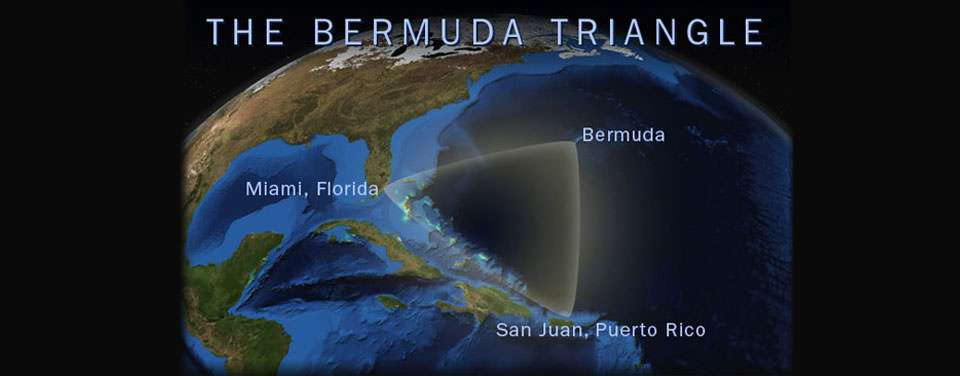
Magnetic disruptions add another layer of challenge. While compass readings usually remain steady, NOAA confirms the area occasionally experiences magnetic anomalies that can confuse sailors, especially those dependent on traditional navigation tools.
Pilots operating in this region encounter sudden thunderstorms and intense turbulence common to the tropical Atlantic, both well-known contributors to aviation misfortune. Combined with human factors such as pilot error, improper aircraft maintenance, and communication faults, these ordinary causes dispel much of the mystery.
Flight 19: The Legendary Disappearance
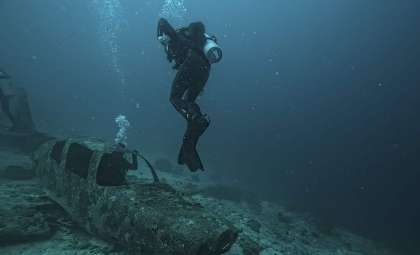
Among all Bermuda Triangle tales, Flight 19 holds a particularly strong place. On December 5, 1945, five U.S. Navy TBM Avenger bombers left Fort Lauderdale on a routine exercise but never came back.
That evening, a PBM-Mariner rescue aircraft dispatched to find them also vanished. These incidents often fuel the Bermuda Triangle lore; however, as reported by The Independent, the Flight 19 leader, Lt. Charles Taylor, had a track record of losing his bearings. He was disoriented and lacked a watch, critical for celestial navigation.
Communication transcripts revealed that Taylor mistakenly believed he was over the Florida Keys when he was far off course. Despite junior members’ advice to turn west, he led the group deeper into the Atlantic. The rescue plane reportedly exploded mid-flight, an event witnessed by observers, with debris recovered. Its type was infamously nicknamed the “flying gas tank” due to its fuel vapor explosion risk.
The Enduring Appeal of Bermuda Triangle Mysteries
Despite repeated scientific explanations, popular fascination with the Bermuda Triangle remains strong. Early contributors like Vincent Gaddis, who first popularized the term Bermuda Triangle in 1964, and best-selling author Charles Berlitz, whose 1974 book The Bermuda Triangle sold millions, helped embed the legend in public imagination. The myth further gained momentum through films like Close Encounters of the Third Kind, which implied Flight 19’s disappearance was due to extraterrestrial activity.
Other speculative ideas, such as methane gas eruptions or ancient Atlantean crystals disrupting technology, persist online. The U.S. Geological Survey investigated the methane hydrate hypothesis and concluded the last significant release occurred over 15,000 years ago, predating modern seafaring.
Although weather, waves, and human errors are the scientific consensus, the Bermuda Triangle continues to captivate pop culture. As Dr. Karl Kruszelnicki, a science communicator from the University of Sydney, noted in an interview with news.com.au: “The number of ships and planes that go missing is the same as anywhere in the world on a percentage basis. The only mystery is why people still believe there’s a mystery.”
- Categories:
- News






0 comments
Sign in to Comment