
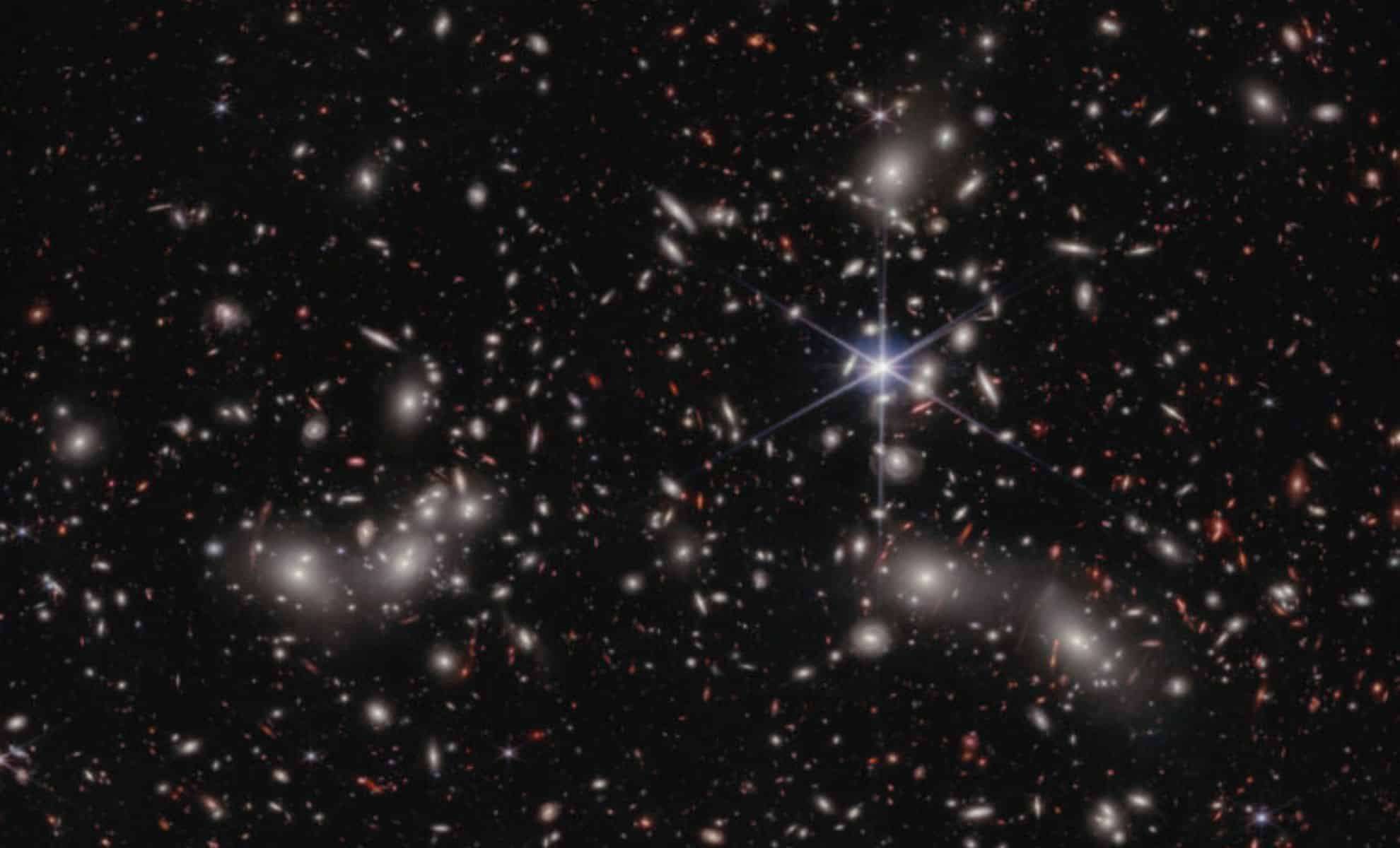
A recent publication in Nature reveals fresh insights into one of cosmology’s oldest mysteries: what sparked the Universe’s emergence from its initial darkness? Data from both the James Webb Space Telescope (JWST) and Hubble suggest that the key players behind this transformation were not massive galaxies or black holes as once believed, but rather dim, dwarf galaxies — small yet highly influential entities that ignited the cosmic dawn.
Revolutionizing Our Understanding of Cosmic Reionization
Astrophysicists have long puzzled over how the early cosmos shifted from a cold, dark state dominated by neutral hydrogen to the luminous, transparent Universe studded with stars and galaxies. This pivotal epoch, known as cosmic reionization, marks the era when light finally traveled freely, unobstructed by dense hydrogen clouds.
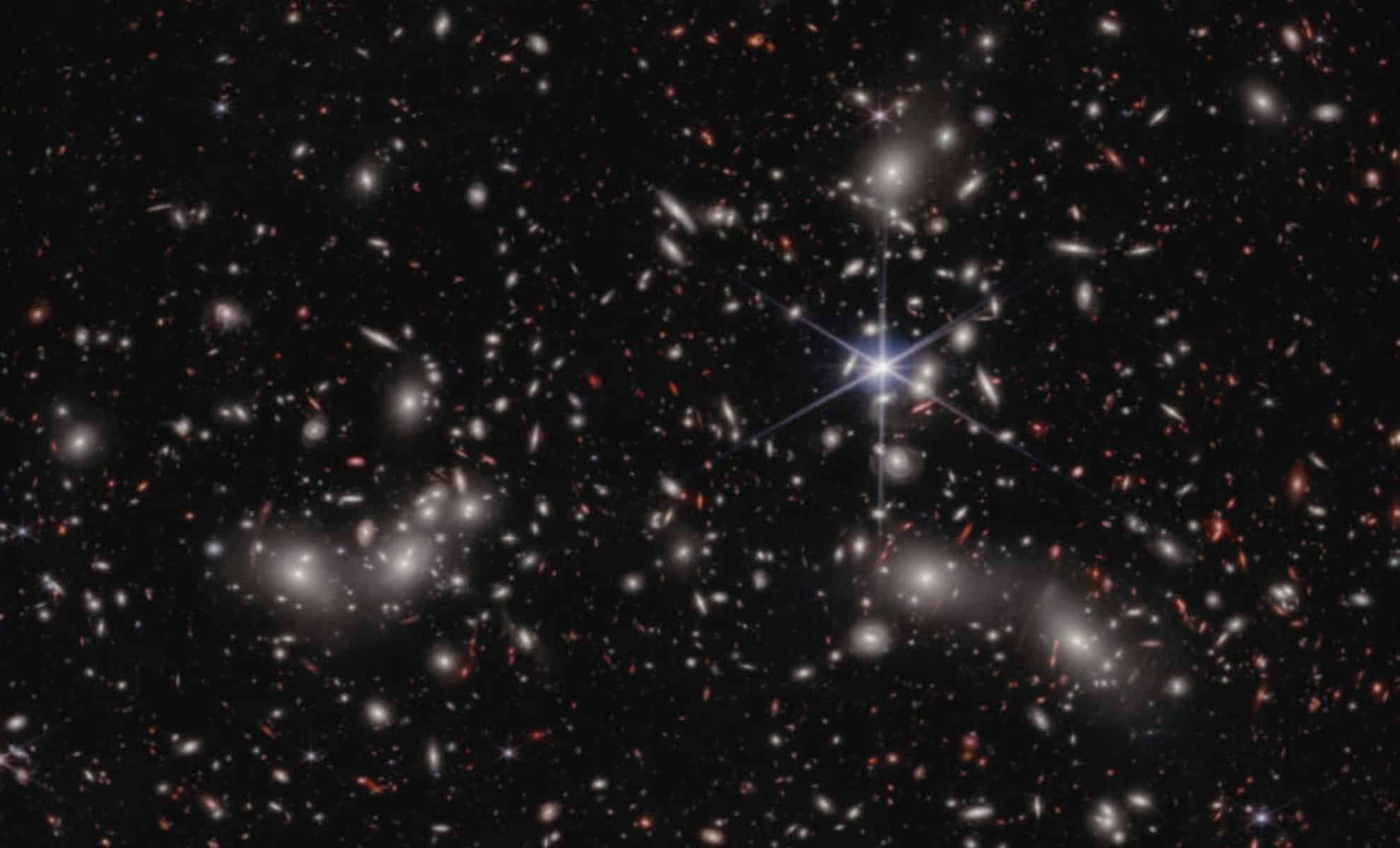
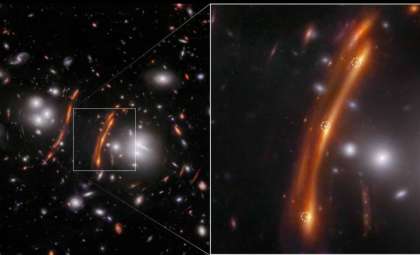
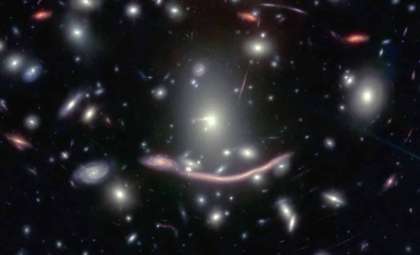
Employing gravitational lensing via the massive galaxy cluster Abell 2744, researchers accessed a clearer and more distant view of the Universe’s infancy than ever before. The results challenge prior beliefs.

“This discovery highlights the vital role of ultra-faint galaxies in the Universe’s early growth,” stated Iryna Chemerynska, astrophysicist at the Institut d’Astrophysique de Paris. “These galaxies emit ionizing photons that convert neutral hydrogen into ionized plasma during cosmic reionization, emphasizing the critical influence of low-mass galaxies in the Universe’s formative years.”
Dwarf Galaxies Take Center Stage in Cosmic Illumination
Previous theories attributed cosmic reionization to titanic black holes or star-rich massive galaxies. However, this investigation identifies dwarf galaxies as the main contributors. Despite their small stature, these galaxies are plentiful and remarkably effective at producing ionizing radiation.
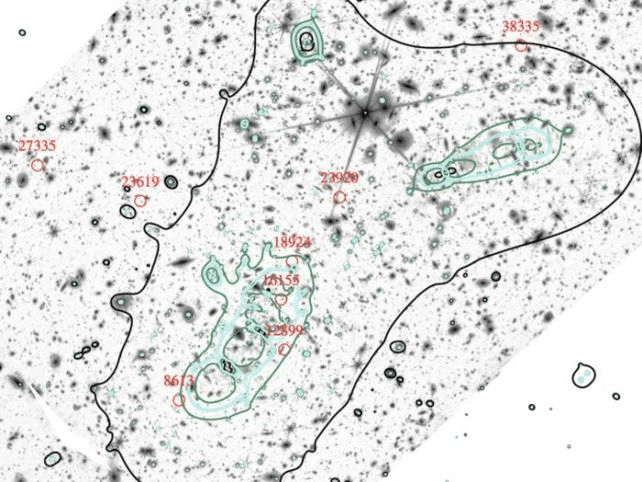
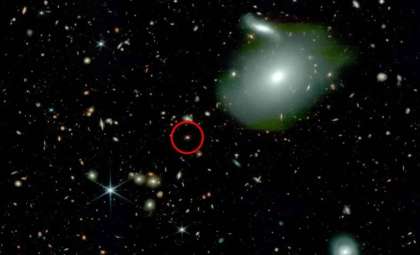
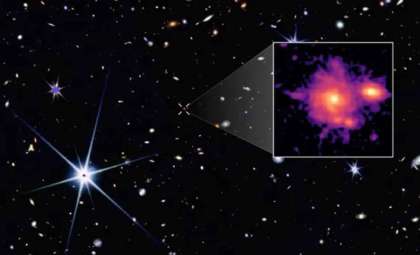
Through detailed JWST spectroscopy, the team studied dwarf galaxies clustered around Abell 2744. The data revealed these galaxies outnumber their larger counterparts 100 to 1 and collectively generate four times more ionizing photons.
“Together, these tiny galaxies unleash more than enough energy to drive reionization,” explained Hakim Atek, lead author from the Institut d’Astrophysique de Paris. “Their sheer abundance and efficient radiation production grant them an outsized influence on transforming the early Universe’s state.”
Opening New Chapters in Studying Our Cosmic Origins
The ramifications of these findings extend beyond the reionization epoch. If dwarf galaxies played such a central role in the Universe’s dawn, this could prompt a reevaluation of galaxy formation theories, stellar evolution, and even dark matter theories. The tremendous impact of these small galaxies challenges existing perceptions of early cosmic architecture.
This study covers only a fraction of the sky, and to confirm these conclusions, future investigations will focus on additional gravitational lensing fields to broaden observations. Nevertheless, these revelations energize the search for answers and spur new lines of inquiry.
“With JWST, we’re exploring uncharted cosmic territory,” remarked Themiya Nanayakkara from Swinburne University of Technology. “These findings raise exciting questions that will help us trace the evolutionary path of the Universe’s earliest days.”
- Categories:
- News




0 comments
Sign in to Comment