
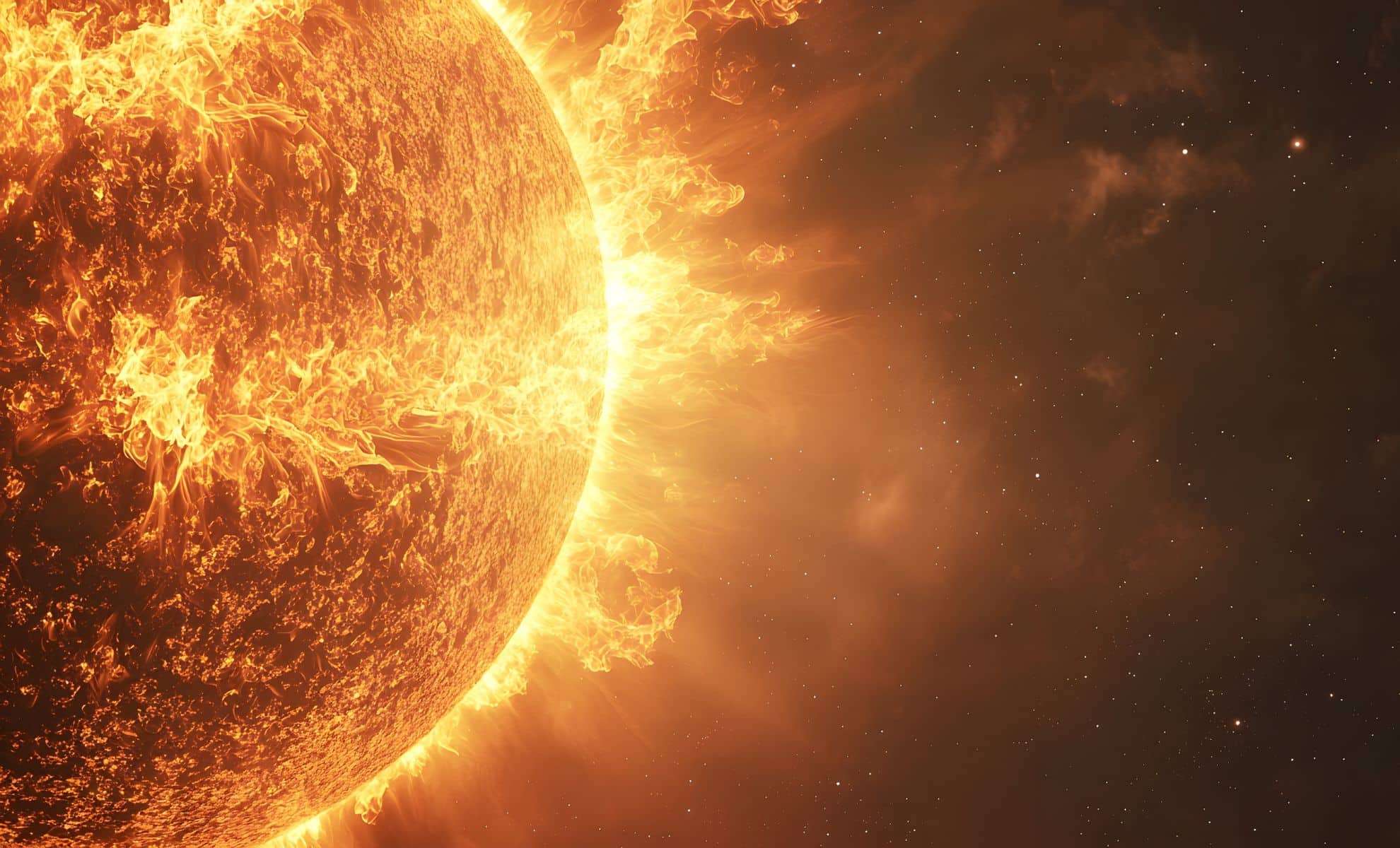
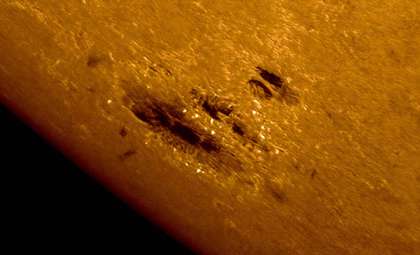
For millennia, sunspots—those intriguing dark markings on the Sun’s surface—have fascinated astronomers. Despite extensive observations, the key to their remarkable stability over lengthy periods remained elusive. Recent findings have now uncovered that this stability stems from a fine balance between the Sun’s magnetic forces and plasma pressure.
Unraveling the Sunspot Enigma
Historical records trace sunspot sightings back to 27 B.C., with ancient Chinese astronomers noting these phenomena centuries before Galileo introduced telescopic solar views. Some accounts even credit Greek philosopher Anaxagoras with possible detection around 467 B.C. Over generations, the persistence of these cooler, darker solar regions puzzled scientists, who linked them to solar activity without fully grasping why they endured for days or even months.
Today, a global team of researchers has shed light on this centuries-old puzzle. Employing advanced techniques to observe polarized sunlight from the Sun, their work reveals that sunspots form and persist through a dynamic equilibrium between magnetic fields and the plasma pressure within the Sun’s convective layer.

The Origin of Sunspots
Sunspots emerge from intricate solar processes occurring deep beneath the surface. As superheated plasma ascends toward the outer layers, it cools and densifies, producing the dark, cooler spots visible to observers. However, the story extends beyond temperature differences.
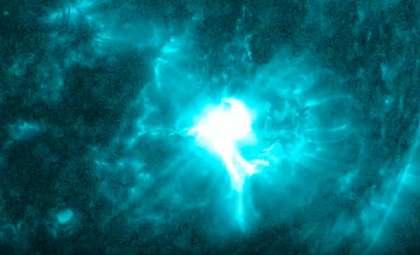
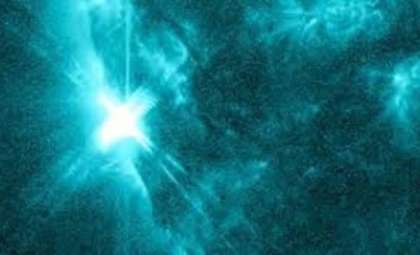
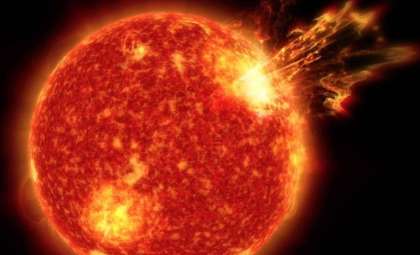
The Sun’s constantly shifting magnetic fields generate turbulence on its surface. This magnetic turbulence correlates with powerful solar phenomena like flares and coronal mass ejections—eruptions that can disrupt satellites, communications, and Earth’s power infrastructure.
Despite their reduced temperatures, sunspots are vital to understanding the Sun’s behavior, especially the 11-year solar cycle. Their study aids in forecasting periods of heightened solar activity known as solar maximums.
Innovative Methods for Observing Sunspots
Investigating sunspots’ internal structures has challenged astronomers due to the Sun’s intense energy and magnetic complexity. Previous attempts yielded limited clarity. However, breakthroughs from an international collaboration led by the Institute of Solar Physics in Freiburg, Germany, have enhanced observational capabilities.
Utilizing the GREGOR solar telescope in Germany, the team focused on polarized light—light waves oscillating in a specific direction rather than randomly scattered. This approach allowed them to peer beneath the Sun’s surface with precision comparable to costly space instruments, pinpointing sunspot locations and dynamics accurately.
The Mechanism Behind Sunspot Durability
Understanding the sunspot stability as a result of a balance between magnetic forces and pressure reshapes our comprehension of solar physics.
“[Our] results provide decisive observational and theoretical support for the idea that sunspots slowly evolve around an equilibrium state and are [in] magnetohydrostatic equilibrium, thereby helping to explain their long lifespans,” explained Just enough pressure is exerted to balance out the strength of the magnetic field, allowing the sunspot to stay intact. This mechanism explains why some sunspots can last for days, weeks, or even months, even in the face of constant solar turbulence.
The team’s research, featured in Astronomy & Astrophysics, delivers strong observational and theoretical evidence supporting this mechanism. Better grasping sunspot longevity and the associated solar disturbances could enhance predictions of solar events like solar flares and coronal mass ejections, which impact Earth’s technological systems.
- Categories:
- News






0 comments
Sign in to Comment