
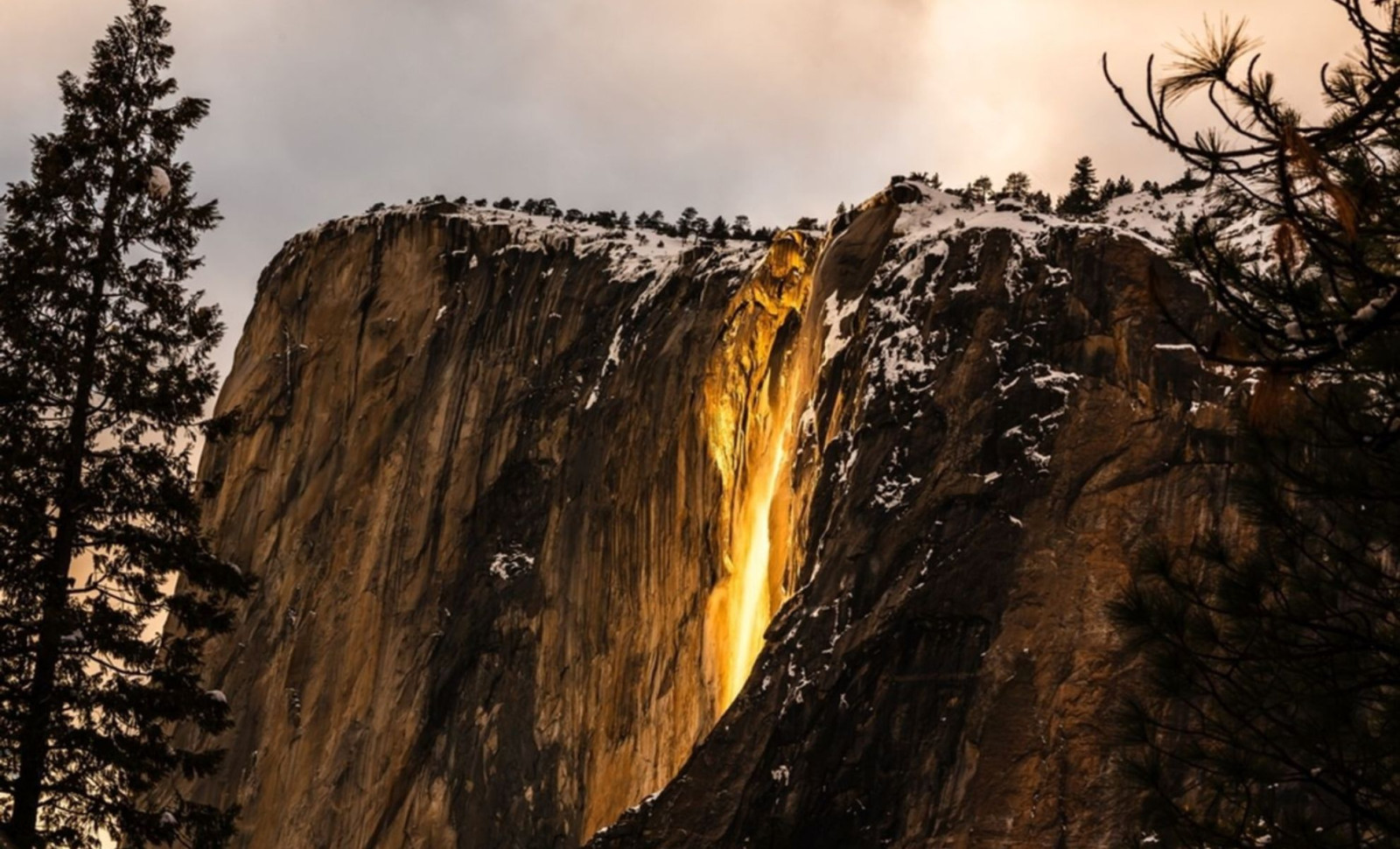
Every February, Yosemite National Park showcases one of nature’s most stunning displays: the Firefall. At just the right moment during sunset, the waterfall flowing down El Capitan glows with a fiery orange hue, resembling a molten cascade of flames. Anticipated to attract throngs of spectators in 2026, visitors are encouraged to dress warmly and tread lightly to help preserve the fragile environment.
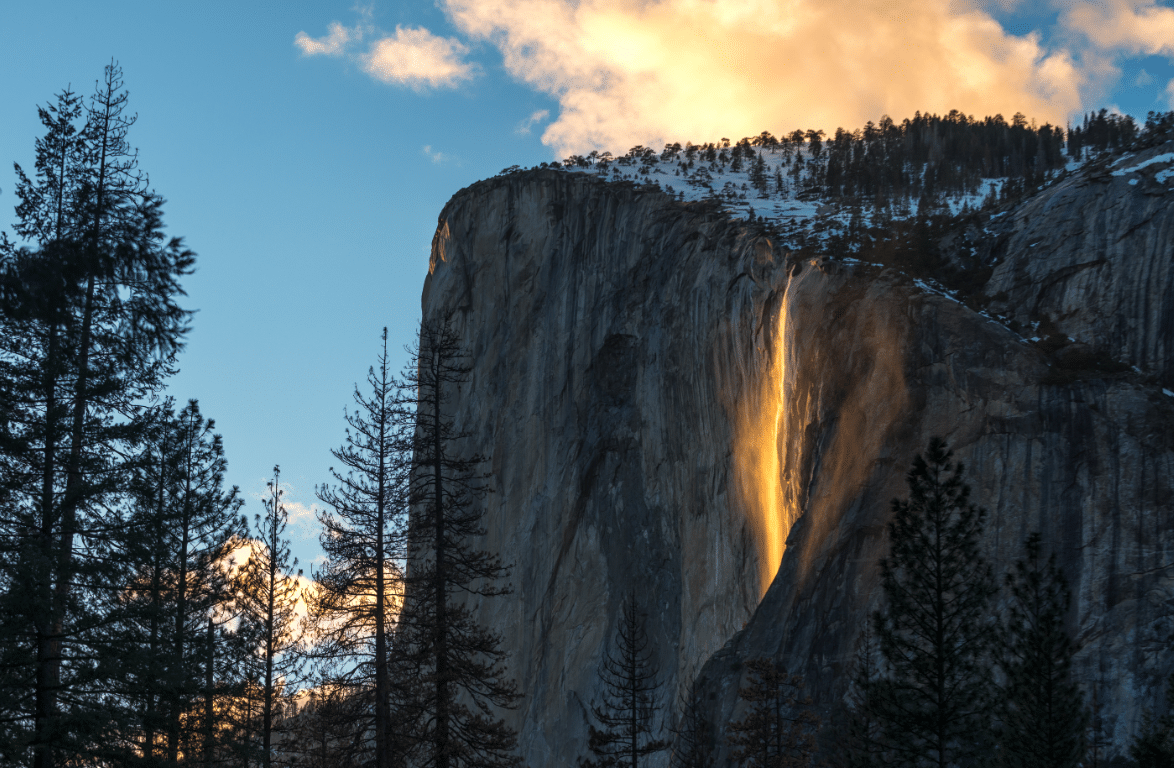
This fiery illusion depends on a rare combination of conditions. The waterfall on El Capitan’s eastern flank becomes vividly lit by the setting sun’s rays, creating the mesmerizing effect of glowing embers streaming down the cliff.
How Does the Firefall Happen?
Yosemite National Park explains that this event requires a perfect blend of factors: clear skies, water flowing in the waterfall, and the sun setting at just the right angle. This synchrony usually occurs for a brief period between mid and late February, making the sight especially rare and fleeting.

“Yosemite National Park is preparing to welcome visitors for the 2026 Horsetail Fall viewing period, projected for February 10-26, when the setting sun can illuminate the waterfall on El Capitan with a fiery glow,” shared the park on Facebook post.
Challenges of Rising Visitor Numbers
The growing fame of this fiery spectacle has dramatically increased the number of people visiting Yosemite in February. The National Park Service indicates that many come specifically for the Firefall, resulting in packed viewing areas and greater pressure on park facilities. While the dramatic illumination was once a lesser-known natural wonder, it’s now one of the most photographed features of Yosemite each year.
With more tourists flocking to the site, the park has issued reminders to avoid littering, stay on designated trails, and refrain from risky actions that could damage the landscape. Protecting Yosemite’s pristine beauty continues to be a priority amidst the surge in visitors.
Tips for Experiencing the Firefall
Despite the fiery name, Yosemite remains wintry during the Firefall season. Visitors need to be ready for cold nights and potentially snowy or icy conditions, especially on hiking routes and roads leading to optimal viewpoints. Park officials recommend:
“arrive early, park once, and be prepared for winter conditions as staff work to ensure a safe, enjoyable experience while protecting sensitive natural and cultural resources.”
- Categories:
- News







0 comments
Sign in to Comment