
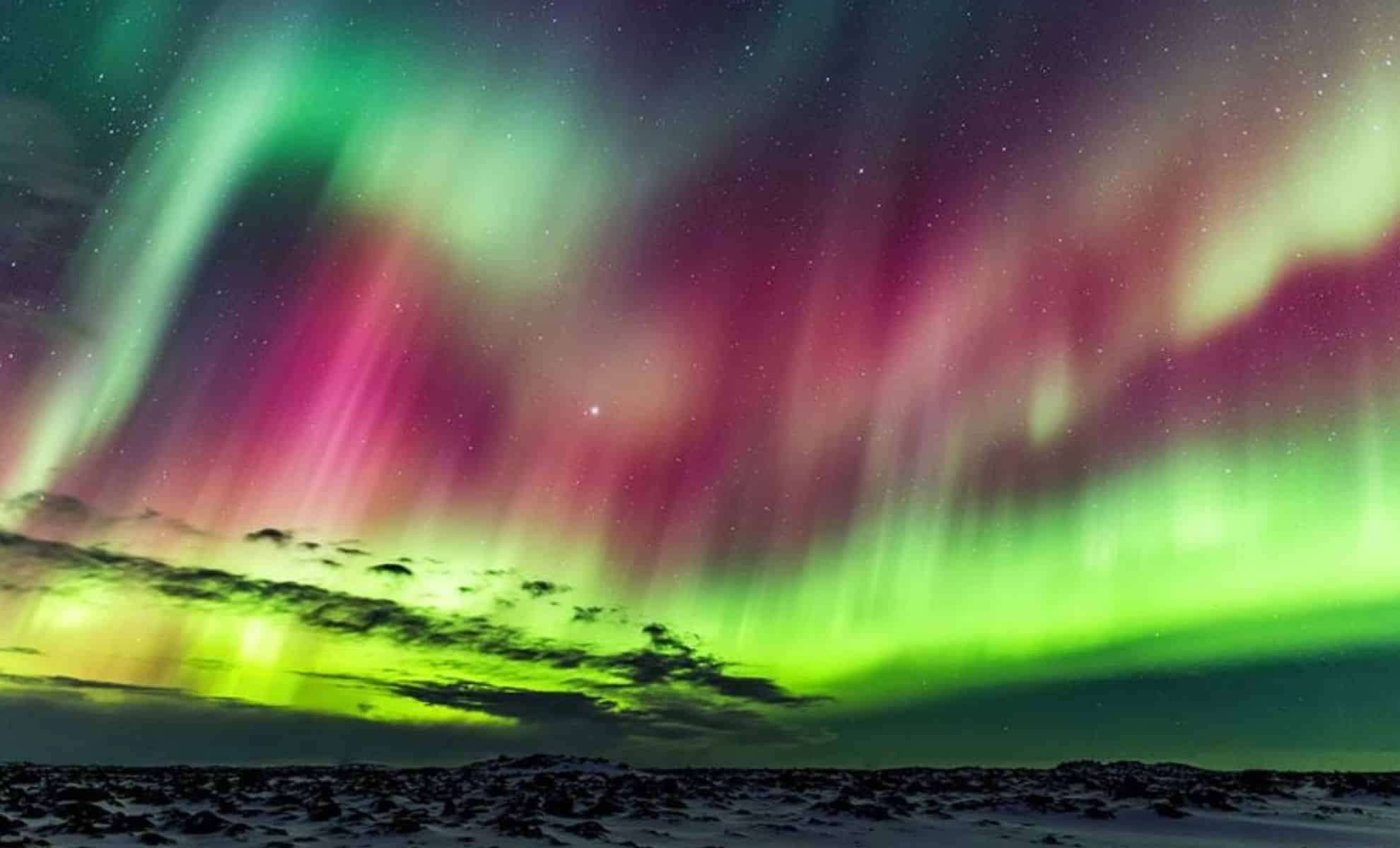
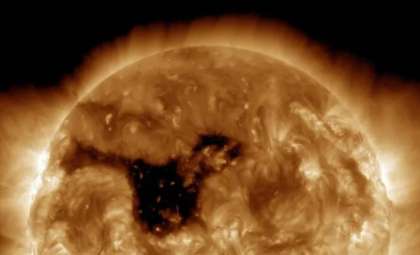
A striking solar event involving a butterfly-shaped coronal hole in the Sun’s atmosphere has sparked alerts for possible geomagnetic disturbances, potentially producing spectacular auroral displays on Earth. As energetic solar wind particles head our way, experts anticipate moderate geomagnetic storm activity this weekend, increasing chances to witness the northern lights. Reports from the UK Met Office and Space.com highlight this unusual solar formation as a significant factor that could influence space weather and enhance aurora visibility between September 13 and 14, 2025, particularly for observers in northern regions.
Exploring Coronal Holes and Their Effects on Our Planet
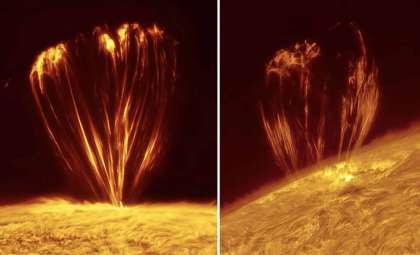
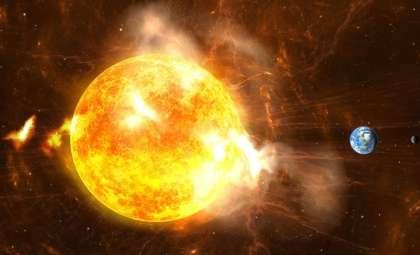
Coronal holes are vast, cooler, and less dense regions in the Sun’s outermost layer, where solar wind escapes at elevated speeds. The current butterfly-shaped coronal hole stretches an impressive 310,000 miles (500,000 kilometers) across the solar surface. The potent stream of solar wind from this region is on course to interact with Earth’s magnetic environment, potentially igniting geomagnetic storms and vivid auroral phenomena.
Solar wind consists mainly of charged particles such as electrons and protons, which usually get deflected by Earth's magnetosphere. Nevertheless, when the magnetic field carried by the solar wind aligns compatibly with Earth's, these charged particles can penetrate the atmosphere, resulting in dazzling auroras. This alignment can disrupt Earth's magnetic shield, causing events termed geomagnetic storms that vary in severity.

Decoding Geomagnetic Storms and Their Consequences
Geomagnetic storms are rated on a scale from G1 (minor) to G5 (severe). Forecasts for this week suggest a G2 (moderate) storm is likely, though intensification depends on the exact magnetic alignment of the incoming solar wind. Moderate storms like G2 can temporarily interfere with satellite operations, GPS accuracy, and power systems, particularly in high-latitude locations. While larger disruptions are possible, they are generally controllable at this level.
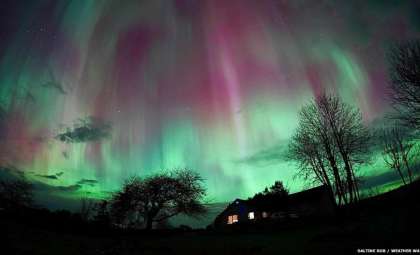
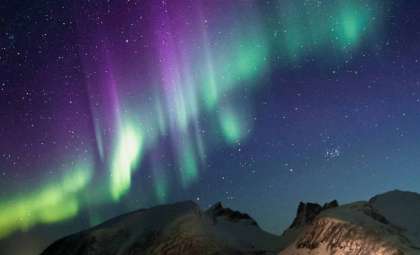
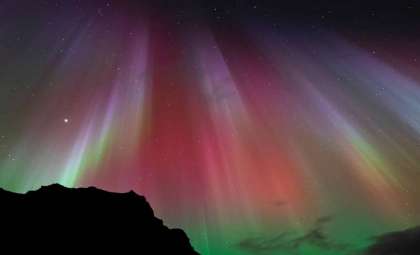
Auroras during these storms can extend to latitudes much farther south than usual, shining brightly over places such as Canada, Alaska, Scandinavia, and the northern United Kingdom, offering spectacular viewing opportunities for aurora enthusiasts and photographers.
How the Equinox Enhances Aurora Activity
The timing of this solar event near the equinox plays a key role in amplifying aurora sightings. The Russell-McPherron Effect explains how solar wind interactions with Earth's magnetic field become stronger during equinoxes because of the alignment of the planet’s magnetic poles, facilitating more effective connections with the solar wind and elevating geomagnetic activity.
Historically, geomagnetic storms peak around the spring and autumn equinoxes rather than solstice periods. With the autumnal equinox set for September 22, 2025, solar wind activity remains favorable, potentially heightening the auroral displays this weekend beyond typical expectations.
Tracing the Solar Wind's Journey and Forecasts
The rapid solar wind flowing from the butterfly-shaped coronal hole is estimated to reach Earth by September 13-14. The UK Met Office predicts the solar wind will peak on September 14, 2025, as it strikes Earth’s magnetosphere with maximum intensity.
Similarly, NOAA's Space Weather Prediction Center has issued a watch but offers a more cautious forecast, anticipating mild disturbances (G1) with some chance of escalation to moderate (G2) depending on magnetic field interactions.
Important Solar Wind Details:
- Velocity: Solar wind moving towards Earth at speeds surpassing 1,000 km/s.
- Magnetic Alignment: The solar wind's internal magnetic field may sync favorably with Earth's, boosting geomagnetic storm intensity.
- Expected Outcome: Active to G1 geomagnetic activity with potential G2 intensification.
Global Aurora Viewing Forecast and Expectations
This incoming solar wind surge could ignite auroras in unusual regions globally. In the Northern Hemisphere, viewers across Canada, Alaska, Scandinavia, and northern UK territories stand a good chance to witness vibrant northern lights. Across the Southern Hemisphere, auroras might be visible over Antarctica, with faint possibilities of sightings in southern New Zealand and Tasmania.
The visibility and brilliance of auroras depend on how strongly the solar wind interacts with Earth's magnetic field. While active geomagnetic conditions are anticipated, precise aurora displays remain unpredictable. Space weather enthusiasts should monitor updates and gaze upward this weekend for potential dazzling light shows.
- Categories:
- News





0 comments
Sign in to Comment