
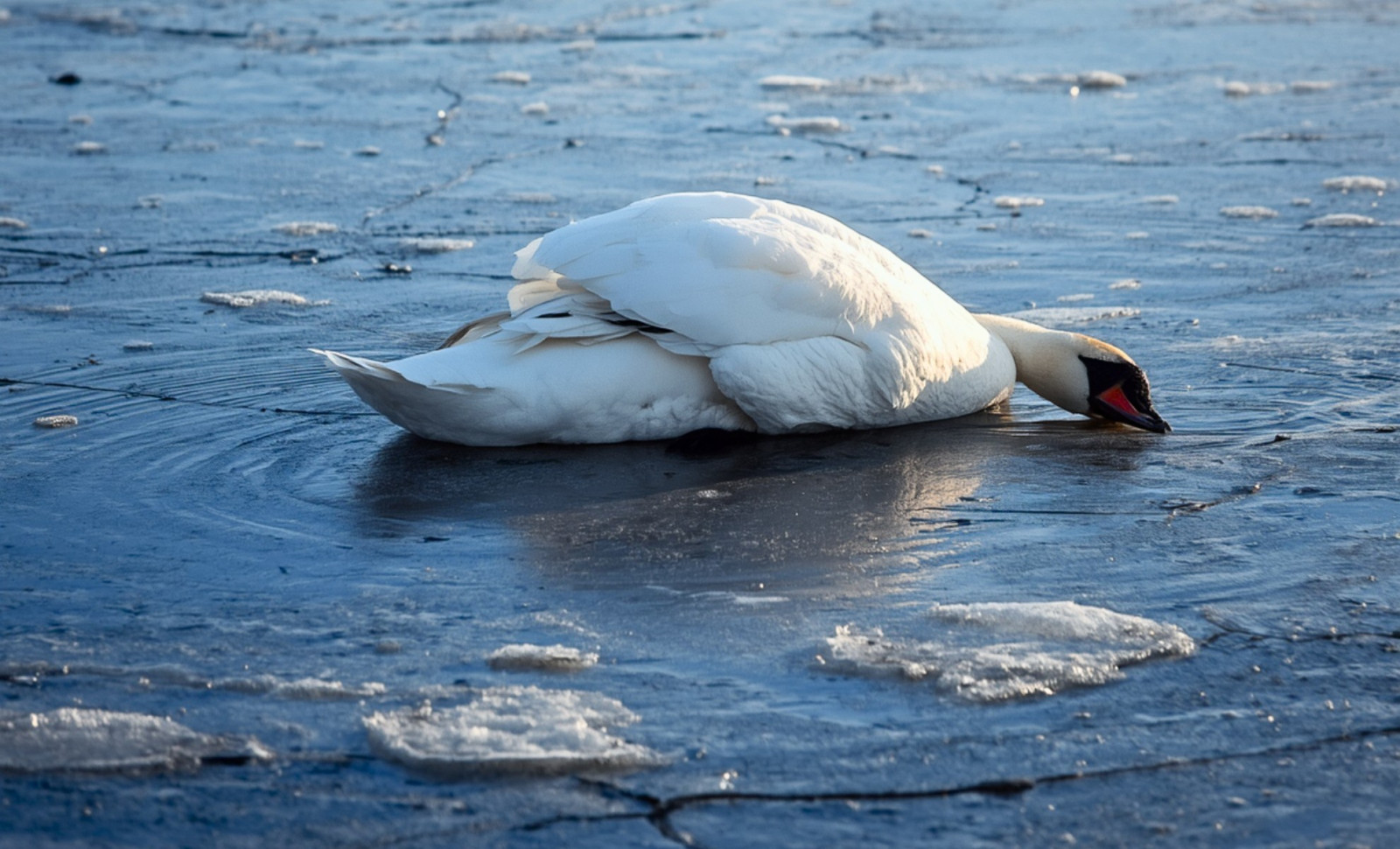
A swan remained motionless for several hours near Berlin’s Schlachtensee lake in early February. Observers assumed it was stuck in the ice and debated whether to walk out and assist. Unbeknownst to them, the swan was likely succumbing to H5N1 avian influenza, with its immobility signaling fatal exhaustion rather than distress. Approaching the bird would have posed a risk of exposure to the virus that has devastated poultry markets globally.
That week, similar situations emerged at frozen lakes across North America, the UK, and northern Asia. Wildlife officials in Massachusetts, Scotland, and Hokkaido received calls from concerned citizens hoping to save birds they thought trapped. While the intent was compassionate, the interventions often proved unhelpful or harmful.
Throughout the northern hemisphere, veterinary specialists collected dead waterfowl from both urban and rural frozen lakes, confirming that the highly pathogenic avian influenza was rapidly spreading among wild swan populations. The virus exploits cold conditions and widespread misinterpretations of a still bird’s meaning.

Frozen Birds Usually Signal Prolonged Decline
What bystanders perceive as a rescue scenario is often the closing chapter for veterinary pathologists. When a swan appears frozen in place, the actual cause of death predates the ice formation. The bird is usually weakened by severe infection, injury, or starvation, unable to move before the water froze around it, effectively preserving a final state of decline.
Low temperatures help preserve the virus on ice and inside frozen carcasses, prolonging environmental persistence just as waterfowl endure significant physiological stress. Birds concentrated in shrinking areas of open water exchange respiratory droplets and feces more readily, creating ideal conditions for rapid transmission, as noted by Germany’s Leibniz Institute for Zoo and Wildlife Research.
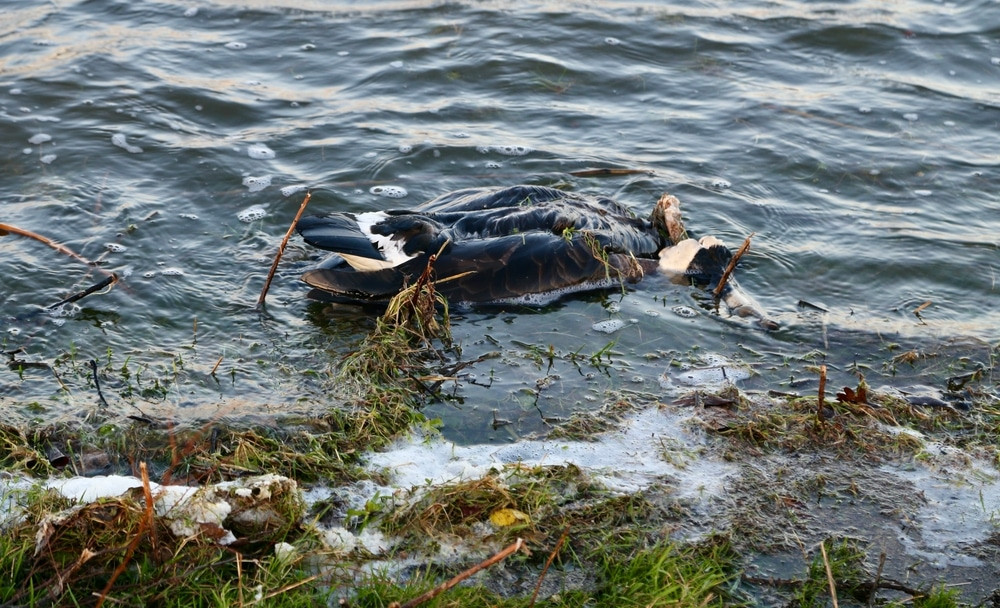
According to guidance shared by the Leibniz Institute via MDR, Germany’s public broadcaster, when food sources bring birds into close proximity, the likelihood of infection spikes sharply. This dynamic is not theoretical but actively occurring on lakes in at least three continents.
Feeding Waterfowl Can Accelerate Virus Spread
The habit of feeding wild waterfowl is deeply ingrained in many communities. Though places like Berlin, certain UK regions, and parts of Canada have regulations against this practice, enforcement has been inconsistent until recent outbreaks linked hand-feeding gatherings to viral spread.
The process is simple: birds that would ordinarily disperse congregate around food, facilitating close-contact droplet transmission and fecal contamination. A single infected individual among a flock can transform a feeding event into a super-spreading episode, disseminating the virus across the local population. The blunt warnings from Leibniz researchers reflect frustration at seeing preventable transmission patterns repeat along intercontinental migration flyways.
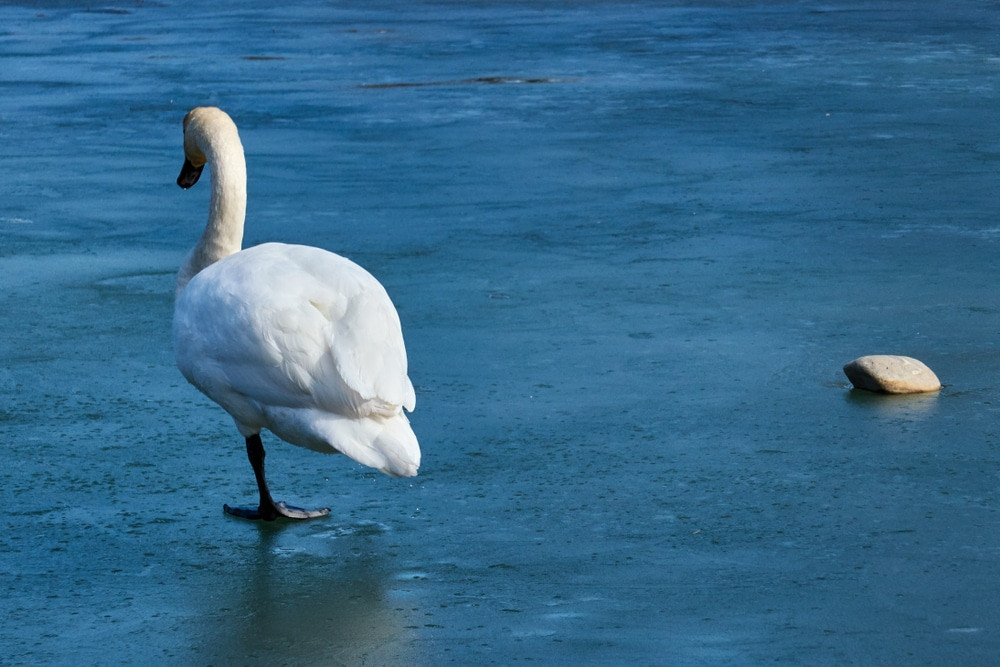
In the US, Massachusetts authorities now encourage residents to report wild bird deaths via an online form rather than intervene directly. Poultry farmers in multiple countries have been instructed to eliminate standing water that could attract migratory waterfowl during peak viral transmission periods.
The Hidden Dangers of Ice and Rescue Attempts
The threat extends beyond virus transmission. Ice near the shore may seem solid but can rapidly thin further out, posing significant hazards. Urban lakes, with fluctuating temperatures and underwater currents, form concealed weak points. Emergency services frequently respond to individuals who have fallen through the ice trying to save birds, often finding the animals deceased while the rescuers suffer hypothermia or worse.
Dogs represent an additional concern. They can both contract H5N1 and transfer the virus on their fur or paws after contact with infected birds. Experts in Europe, North America, and Japan advise keeping pets leashed near frozen bodies of water during outbreaks to minimize risks.
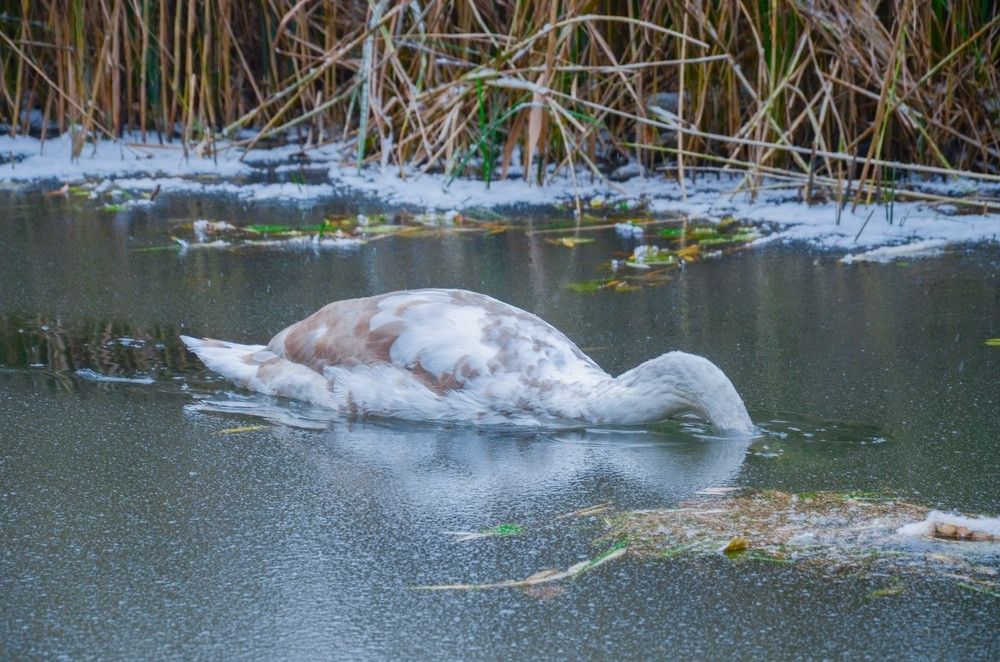
Although health officials assert human infection risk remains low, ongoing viral mutations are a concern due to extensive replication in wild birds. USDA data highlight January 2025 as the worst month for poultry industry losses on record, with annual impacts rising. Laying hens suffer the majority of deaths, while wild bird casualties are almost certainly underreported globally.
What Occurs After Reporting a Dead Bird
When someone notifies a veterinary center about a dead swan, whether in Berlin, Ontario, or Vermont, the response is typically less immediate than expected. Details enter a database, and recovery teams attempt retrieval if conditions and carcass freshness allow. Testing contributes to regional surveillance data, guiding poultry restrictions, public advisories, and cleanup operations.
Ice may prevent access for extended periods, leaving carcasses visible and calls persistent. This public-authority disconnect causes tension, though officials consistently advise against amateur rescues to avoid compromising human safety, disease monitoring, and surviving birds’ welfare.
The Berlin couple, as well as a family in Hokkaido who observed a motionless swan concurrently, refrained from venturing onto the ice. Though uncertain, they almost certainly made the right choice amid an outbreak responsible for millions of bird deaths and widespread agricultural disruption. Frozen lakes remained somber resting places until conditions allowed officials to intervene safely.
- Categories:
- News










0 comments
Sign in to Comment