
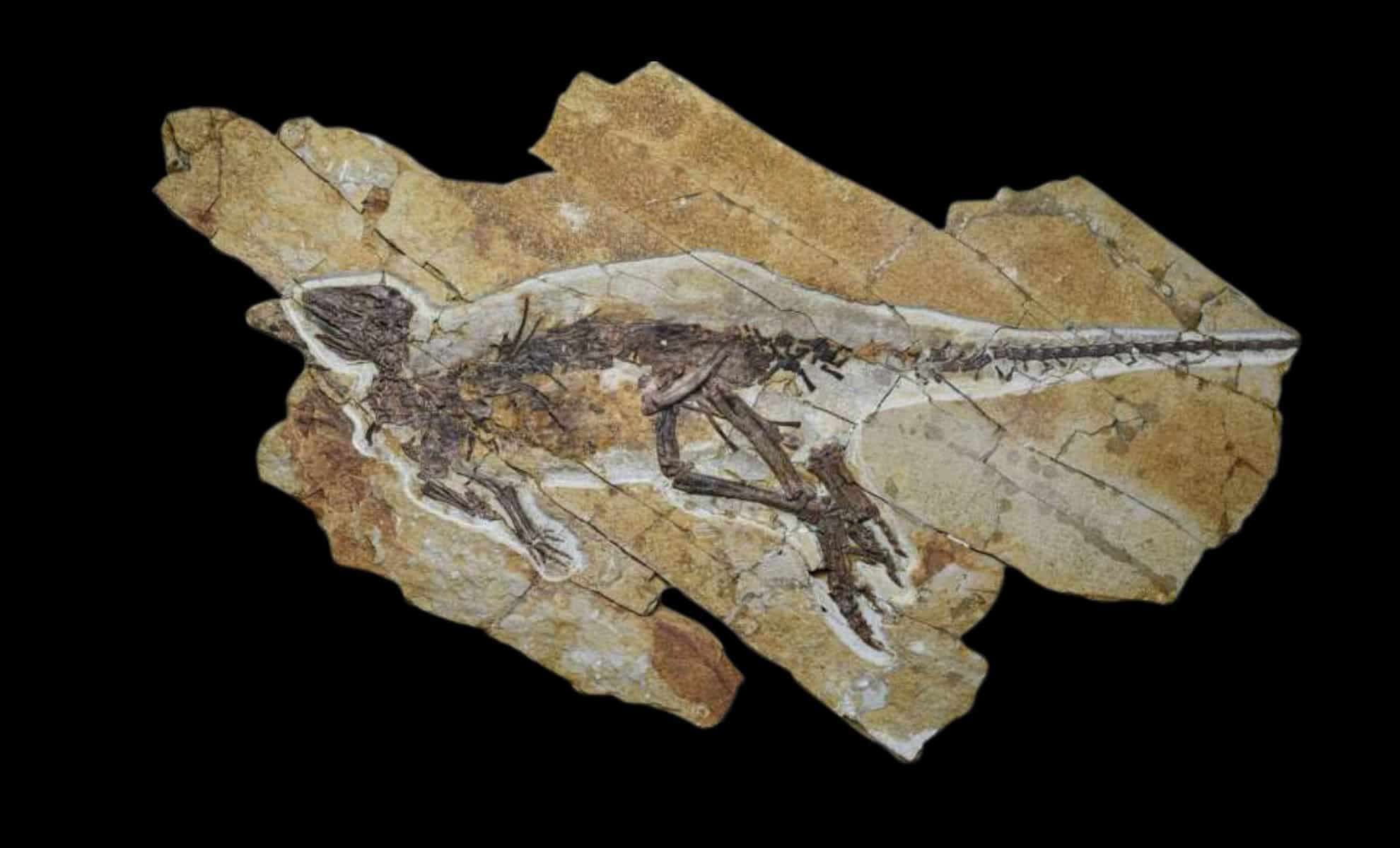
In a groundbreaking paleontological finding, researchers have unveiled a dinosaur species that challenges the roaring monster stereotype popularized by movies such as Jurassic Park. The species, Pulaosaurus qinglong, unearthed in China, reveals a surprising mode of communication—chirps similar to those of modern birds rather than loud roars.
Discovering Pulaosaurus in Northeastern China
The fossil remains of Pulaosaurus qinglong, a small plant-eating dinosaur, were uncovered in the Yanliao Biota, a fossil-rich region of northeastern China. This dinosaur, about two feet in length, is classified within Neornithischia, a group characterized by bird-like hip structures. These fossils mark the first documented neornithischian in this area, opening new avenues for understanding dinosaur diversity.
Scientists noted, “The specimen measures roughly 72.2 cm from the front of the skull to the end of the last tail vertebra, with the skull itself about 8 cm long.”

Remarkably, the finding included rare soft tissue structures, such as parts of the larynx, or voice box, a feature scarcely preserved in dinosaur fossils. The elongated, leaf-shaped cartilage in the larynx closely resembles structures seen in modern birds, implying that this dinosaur could have emitted bird-like chirps.
Evidence of Avian-Style Vocalization
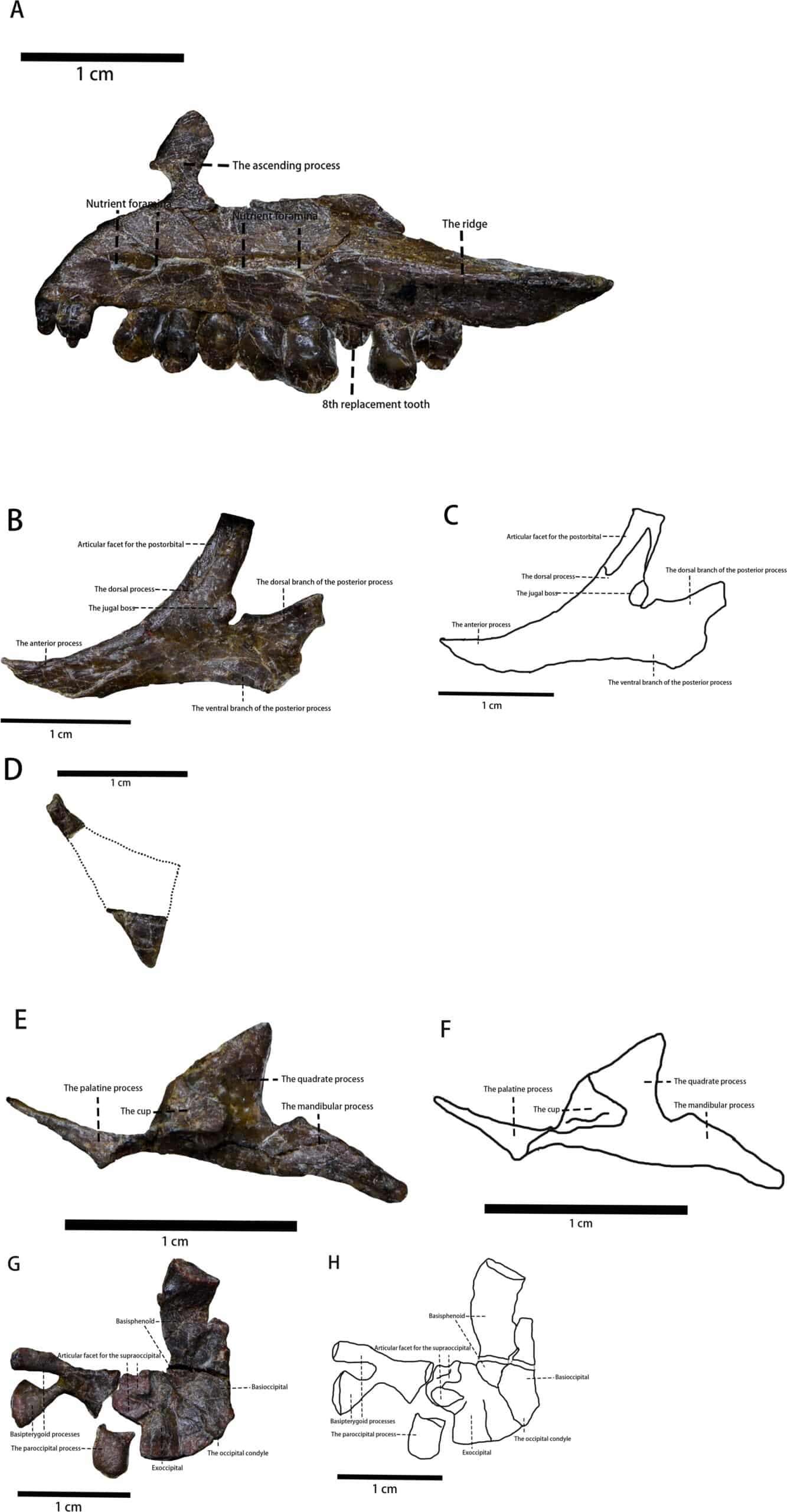
This discovery offers vital evidence that some dinosaurs might have used high-pitched sounds similar to birds rather than producing the deep roars often imagined. Pulaosaurus is only the second dinosaur known to preserve larynx bones, shedding light on how vocalizations were formed. The cartilage’s design suggests the dinosaur likely produced chirping sounds.
Besides vocal traits, the fossil’s exceptional preservation, including soft tissues and bones, provides extensive information about the dinosaur’s biology and behavior. These findings enrich scientists’ understanding of dinosaur evolution and their ecological interactions.
Insights Into Diet and Lifestyle
Beyond vocalization, the fossil reveals crucial evidence about Pulaosaurus’ diet and ecological niche. Inside its gut area, researchers found small stones and impressions of seeds or plant matter.
This supports the conclusion that Pulaosaurus was herbivorous, feeding mainly on tender vegetation. Its teeth, jaw, and tongue structures indicate an adaptation to processing plant foods, offering a clearer picture of dietary variation among ancient species.
- Categories:
- News





0 comments
Sign in to Comment