
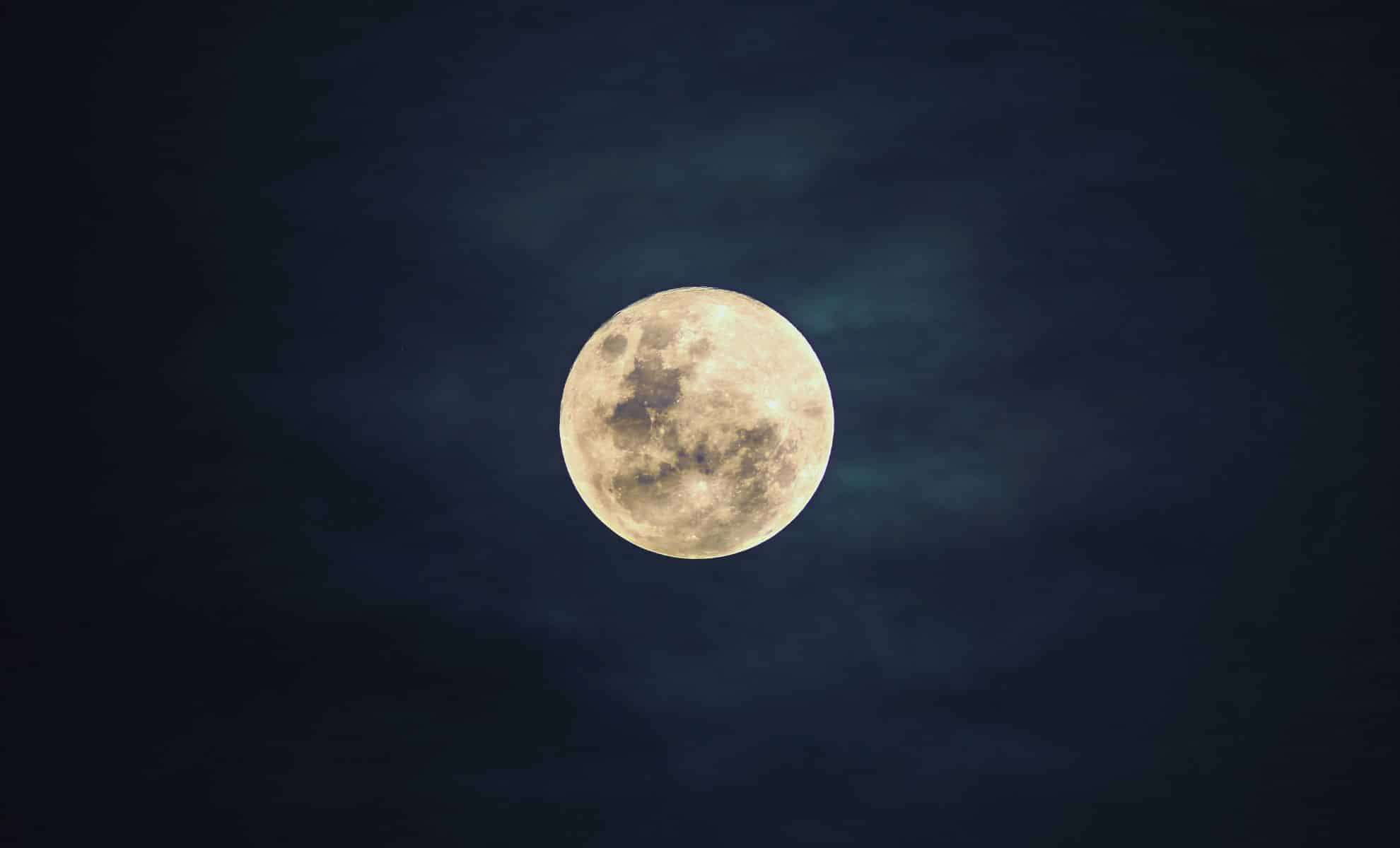
On Thursday evening, observers will witness an impressive astronomical event as the first full moon of summer, called the Buck Moon, rises. This phenomenon features a captivating visual known as the Moon Illusion, making the moon seem exceptionally large and bright, with a distinctive orange tint as it ascends shortly after sunset.
Understanding the Moon Illusion
The Moon Illusion is a remarkable optical effect observed when the moon is positioned close to the horizon. Despite the fact that the moon’s actual size remains constant regardless of its location in the sky, it appears significantly bigger near the horizon. This perception arises because our minds measure the moon against nearby objects like trees, buildings, or hills, making it look much larger compared to when it is situated high overhead in an empty sky.
Moreover, this illusion is influenced not only by visual cues but also by atmospheric factors. When the moon is low, sunlight passes through more of Earth’s atmosphere, which scatters shorter light wavelengths. This process results in the moon displaying warm colors, such as soft oranges and reds, akin to those seen during sunsets.

Why Is Tonight’s Moon So Strikingly Large?
Tonight’s full moon is extraordinary because it coincides with the moon reaching its greatest distance from the sun in 2025—about 94.5 million miles away. This event means the moon traces a lower path across the sky, enhancing its visibility and prominence. The shallower angle causes the moon to linger near the horizon longer, offering spectacular views in various settings, even in urban environments surrounded by buildings and trees.
This unique low trajectory is linked to the moon’s 18.6-year lunistice cycle, which represents the maximum tilt of the lunar orbit relative to Earth’s equator. This gradual orbital tilt alters where the moon rises and sets over time. Combined with Earth's axial tilt, this cycle creates long-term variations in how the moon appears from our vantage point.
The Cultural Meaning of the Buck Moon
This full moon, called the Buck Moon, derives its name from the period when male deer grow new antlers across North America. Although the name does not describe the moon’s color, it reflects the seasonal timing linked with natural cycles. The moon holds many names in various cultures worldwide.
For example, some Indigenous peoples refer to this moon as the Thunder Moon because of the summer storms it often accompanies. Others name it the Salmon Moon or Raspberry Moon in reference to the time when these foods are traditionally harvested. Despite the varied titles, they all celebrate the dramatic and captivating spectacle the moon provides during this season.
- Categories:
- News











0 comments
Sign in to Comment