
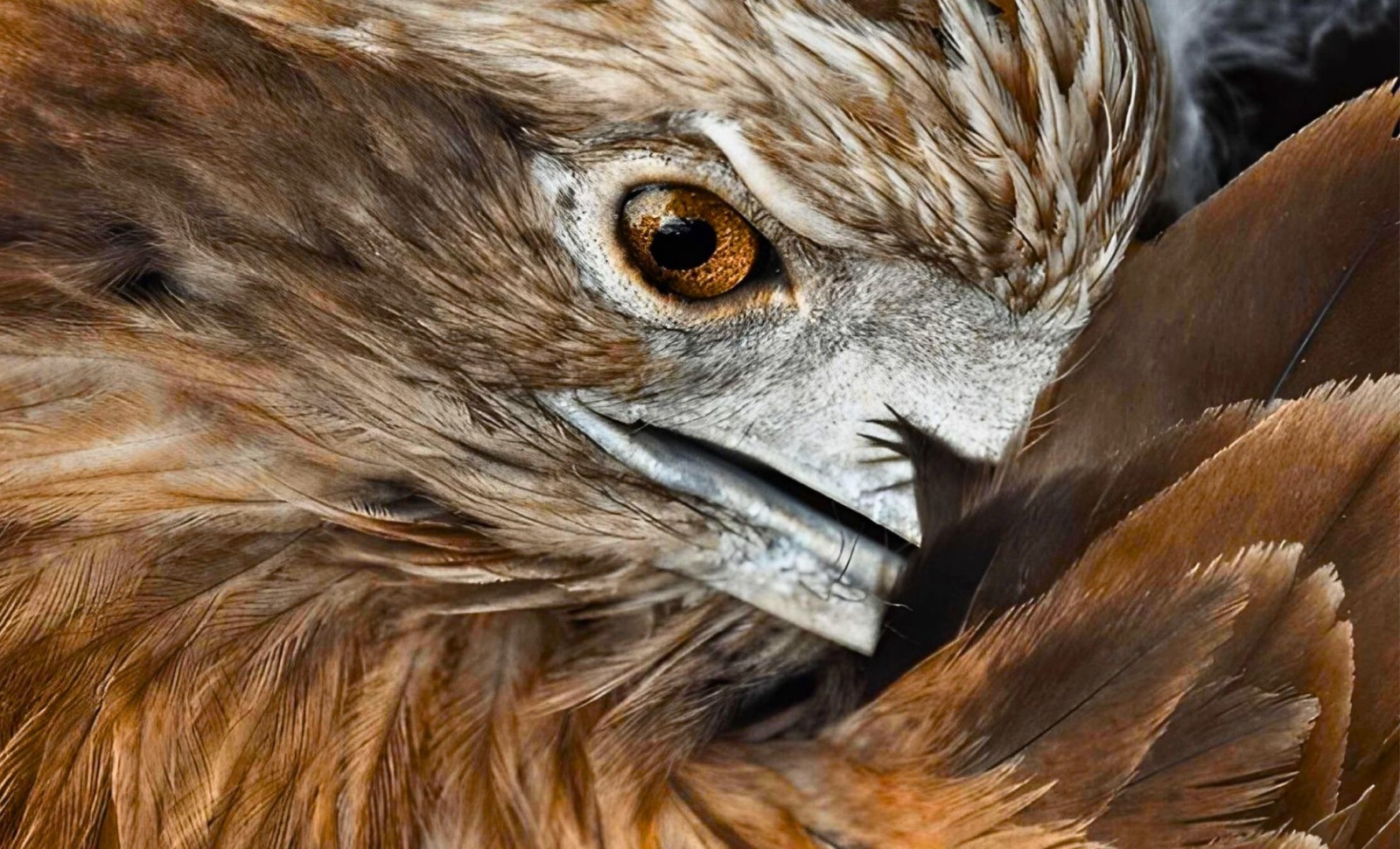
Above the landscapes of Sussex, a remarkable revival is underway. White-tailed eagles—majestic raptors boasting wingspans close to eight feet—have recently been spotted soaring over Ardingly Reservoir. Observers also captured images of one over Ashdown Forest, signaling the birds’ reappearance after centuries of absence.
These encounters confirm a significant development: the white-tailed eagle, once wiped out from English skies in the 1700s, is now reestablishing its presence in southern England. And this resurgence indicates a permanent comeback rather than a transient visit.
Extirpated due to long-term human persecution, the species—commonly known as sea eagles—is reclaiming its former habitats through deliberate reintroduction initiatives. Their renewed presence generates both excitement among conservationists and cautious concern within farming communities.

Accelerated Recovery Due to Reintroduction Programs
Initiated in 2019, the white-tailed eagle restoration project transferred young eagles from approved nests in Scotland to the Isle of Wight. This endeavor, led by the Roy Dennis Wildlife Foundation alongside Forestry England, and supervised by Natural England, set out to establish between six and eight breeding pairs along England’s southern coast.
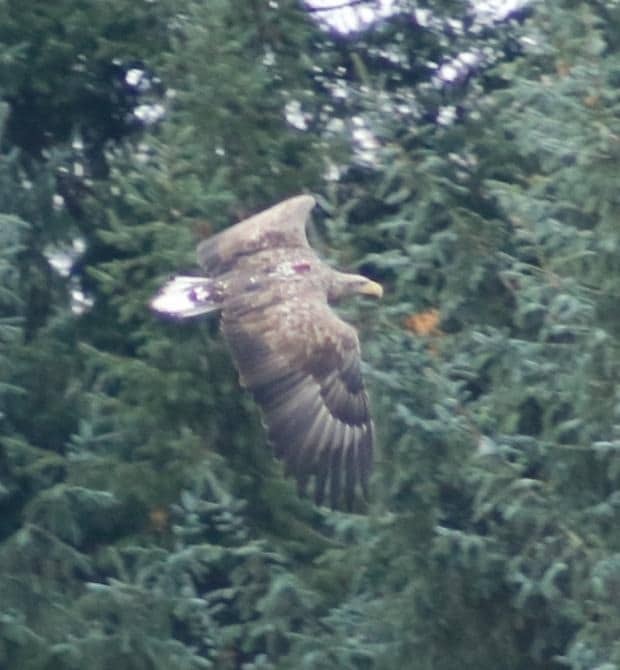
Raised in captivity before release, each bird was equipped with satellite trackers for detailed monitoring. Over time, the eagles began exploring wide areas—some traveling as far as Northumberland or Cornwall, although many returned to familiar southern English locations.
By August 2025, 45 individuals had been introduced. Confirmed territories now extend over Sussex, Dorset, and Hampshire. The successful hatching of a chick in Sussex in 2023 marked the first eagle birth on English soil in over 200 years. Subsequent years saw multiple chicks added to the wild population, totaling six by 2025.
The project’s rapid progress surpassed early expectations, with the region’s combination of aquatic habitats, woodland, and low human interference providing an ideal environment. This resurgence has inspired enthusiasm particularly among the UK’s growing community of raptor observers and birdwatchers.
Livestock Interaction Raises Questions Among Farmers
Despite enthusiasm from wildlife advocates, farmers—especially in Scotland, where sea eagles have been back for many years—have expressed concerns regarding the birds’ diet.
In 2019, Scottish Natural Heritage (SNH) formally acknowledged that white-tailed eagles sometimes prey on healthy lambs in certain areas. Their official plan cited evidence such as nest remains, necropsies, and surveillance footage, confirming that in regions with scarce natural prey, the eagles hunt live livestock rather than simply scavenging remains.
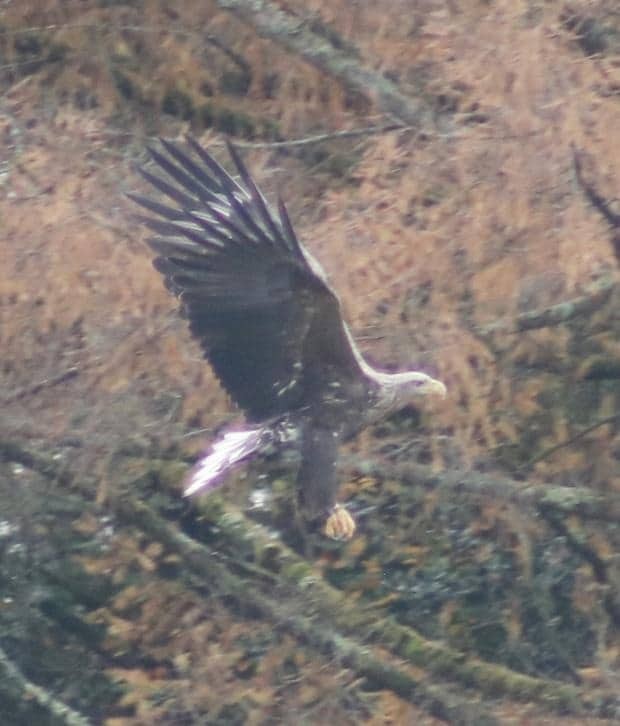
Reported losses on farms have been especially notable on Scottish islands like Mull, where one monitored location logged 181 lambs missing over six years. For upland flocks, such predation disrupts breeding programs and may increase dependence on external stock less suited to local conditions.
In England, where the white-tailed eagle restoration is newer and populations remain small, there have been no verified incidents of livestock predation to date. Nonetheless, the project includes precautionary measures: every released bird carries a satellite transmitter, allowing conservationists to monitor movements and mitigate any emerging conflicts with farmers.
In-Depth Studies Highlight Diverse Dietary Patterns
To deepen understanding of these apex predators, the Roy Dennis Wildlife Foundation has conducted thorough research into feeding habits. Drawing on over 600 observational records, they found the white-tailed eagle’s diet is varied and shifts with seasonal availability.
- 36% birds, mainly Canada geese, ducks, and gulls
- 25% fish, from freshwater and marine sources
- 24% mammals, such as rabbits and brown hares
- 5% marine mollusks, especially cuttlefish scavenged after spawning
About one-fifth of meals consisted of carrion, and 9% involved opportunistic food theft from other predators. Prey captured alive accounted for 45% of their diet.
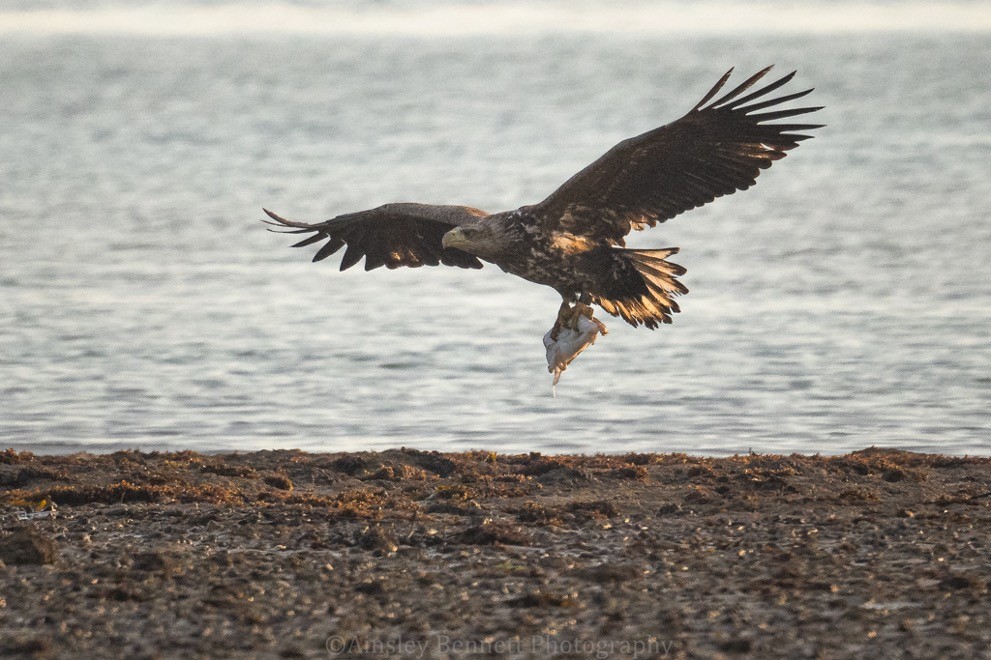
Another discovery highlighted how diet changes with age: younger eagles favor mammals and carrion, while adults increasingly rely on fish, particularly near aquatic nesting sites. In 2023, the first territorial pair on the Isle of Wight predominantly fed their chick fish.
By tracking birds via GPS, researchers connect dietary habits to their behavior and habitat use, generating vital information to shape conservation strategies and address potential challenges.
Potential Boost for Eco-Tourism and Local Economies
Beyond ecological significance, the reappearance of white-tailed eagles could also benefit local communities economically. In Scotland, long-established sea eagle populations have turned into popular wildlife attractions. The RSPB reports that eagle watching on Mull Island contributes some £5 million annually to the local economy.
Similar signs are emerging in southern England, where eagle sightings near reserves like Ardingly Reservoir and the New Forest are increasingly drawing birdwatchers and nature tourists. This growing interest benefits local enterprises and supports conservation groups fostering eco-tourism.
As the white-tailed eagle population expands, these birds may become valuable assets for rural regions, promoting both biodiversity and sustainable community-driven tourism.
However, ensuring a balanced reintroduction success requires ongoing openness, community involvement, and adaptive management to harmonize conservation goals with land use demands.
- Categories:
- News











0 comments
Sign in to Comment