
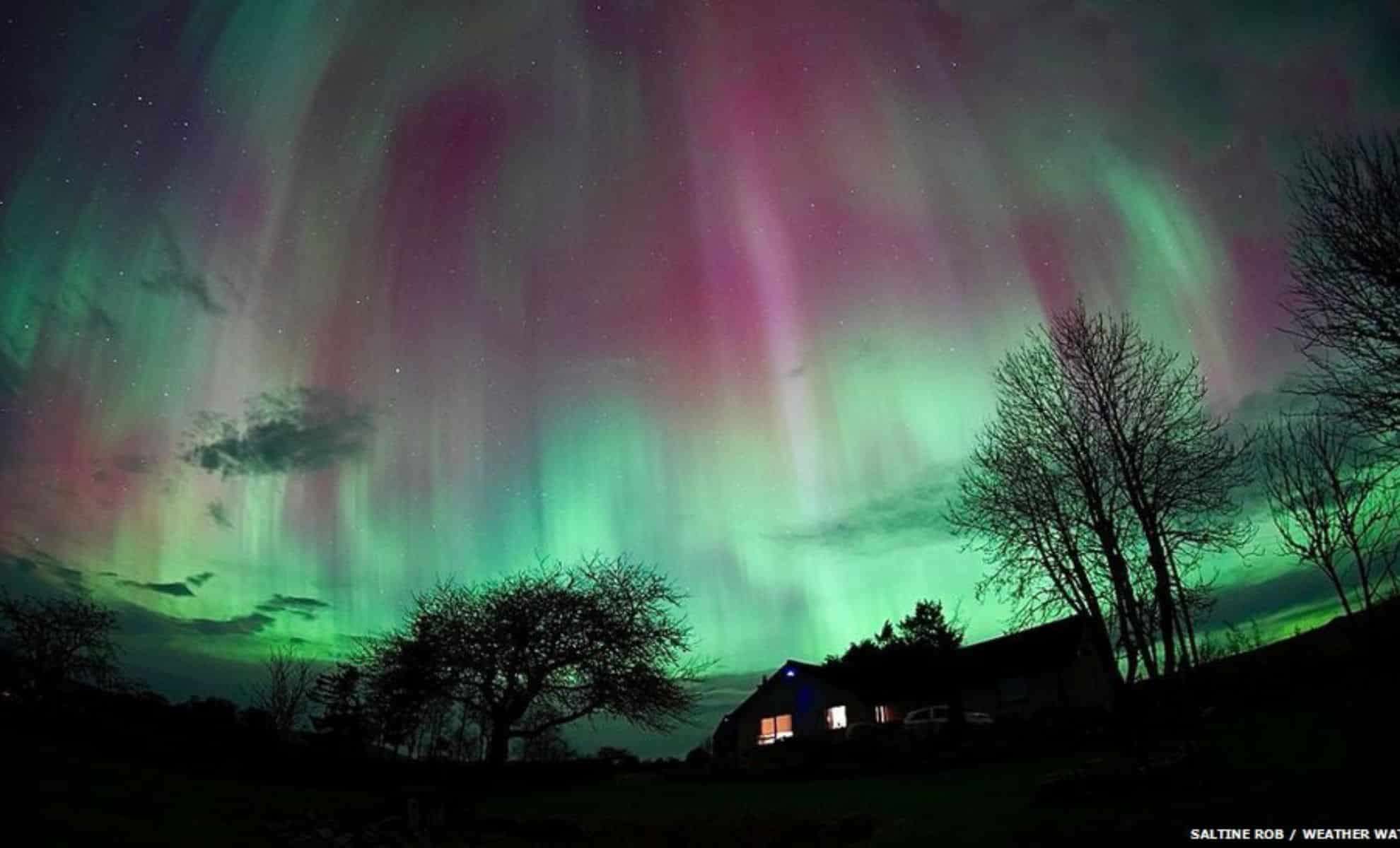
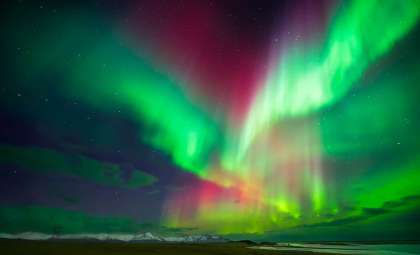
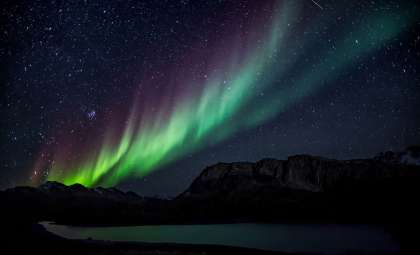
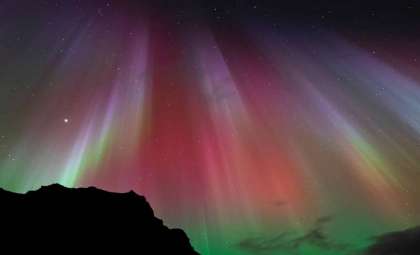
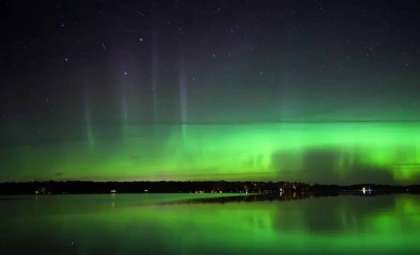
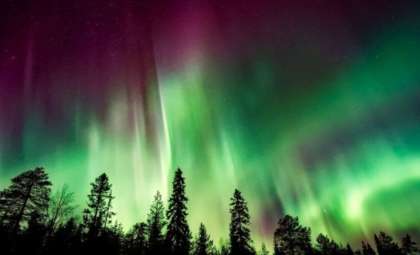
Tonight, several U.S. states could witness a dazzling show of the aurora borealis as geomagnetic storms disturb Earth's magnetic environment. These solar-induced events, predicted by the National Oceanic and Atmospheric Administration (NOAA), are expected to push the shimmering lights further south than usual. This presents an exceptional opportunity for viewers in areas not typically known for aurora sightings to experience this extraordinary natural spectacle.
Regions Likely to See the Northern Lights
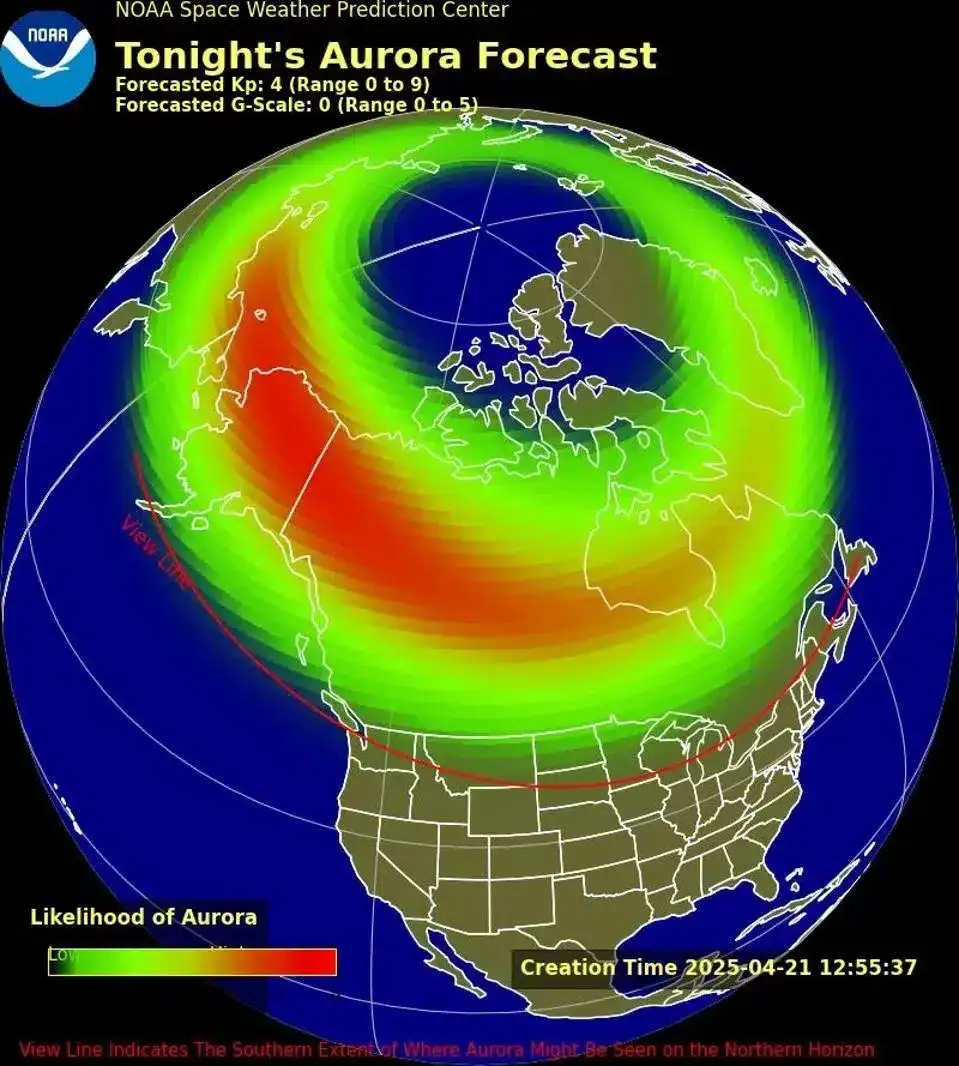
NOAA's projections indicate that the most impressive auroral displays will be observed in Alaska and northern Canada. However, those residing near the U.S. border may also catch the lights along a wide "visibility corridor" just north of Iowa. States including Washington, Idaho, Montana, North Dakota, and Minnesota might enjoy limited displays, whereas southern states like South Dakota, Wisconsin, Upper Michigan, and Maine have a slimmer chance of witnessing the phenomenon. As Forbes points out, the ideal window to observe the auroras is between 10 p.m. and 2 a.m. local time, making late-night hours prime for skywatching.
Tips for Viewing and Photographing the Aurora
To maximize your chances of seeing the aurora borealis, experts advise selecting an elevated spot that faces north and is far from urban light pollution. Artificial lights can significantly diminish the visibility of the northern lights, so remote locations tend to offer clearer views.

Clear skies are essential since cloud cover can block this luminous display. For photographers, employing a wide-angle lens with a low aperture (around f/4 or less) is ideal. Additionally, focusing on infinity will help ensure crisp images of the auroras.
Smartphone users should enable night mode and disable the flash to prevent washed-out photos. Following these guidelines can help you capture breathtaking shots and enjoy a memorable evening under the lights.
Forecast for Upcoming Auroral Activity
Geomagnetic disturbances influencing Earth’s magnetic field will continue to produce chances for aurora viewing in the days ahead. On Monday night, predictions show the northern lights will reach a Kp index of four, making them quite noticeable and impressive for observers within the affected zones.
Activity is expected to peak on Tuesday with a Kp index hitting six, indicating a stronger geomagnetic storm and more vivid auroral displays. Although there may be a gradual decline toward Thursday, this week offers a rare window for many in the U.S. to experience the northern lights from farther south than is typical.
- Categories:
- News




0 comments
Sign in to Comment