
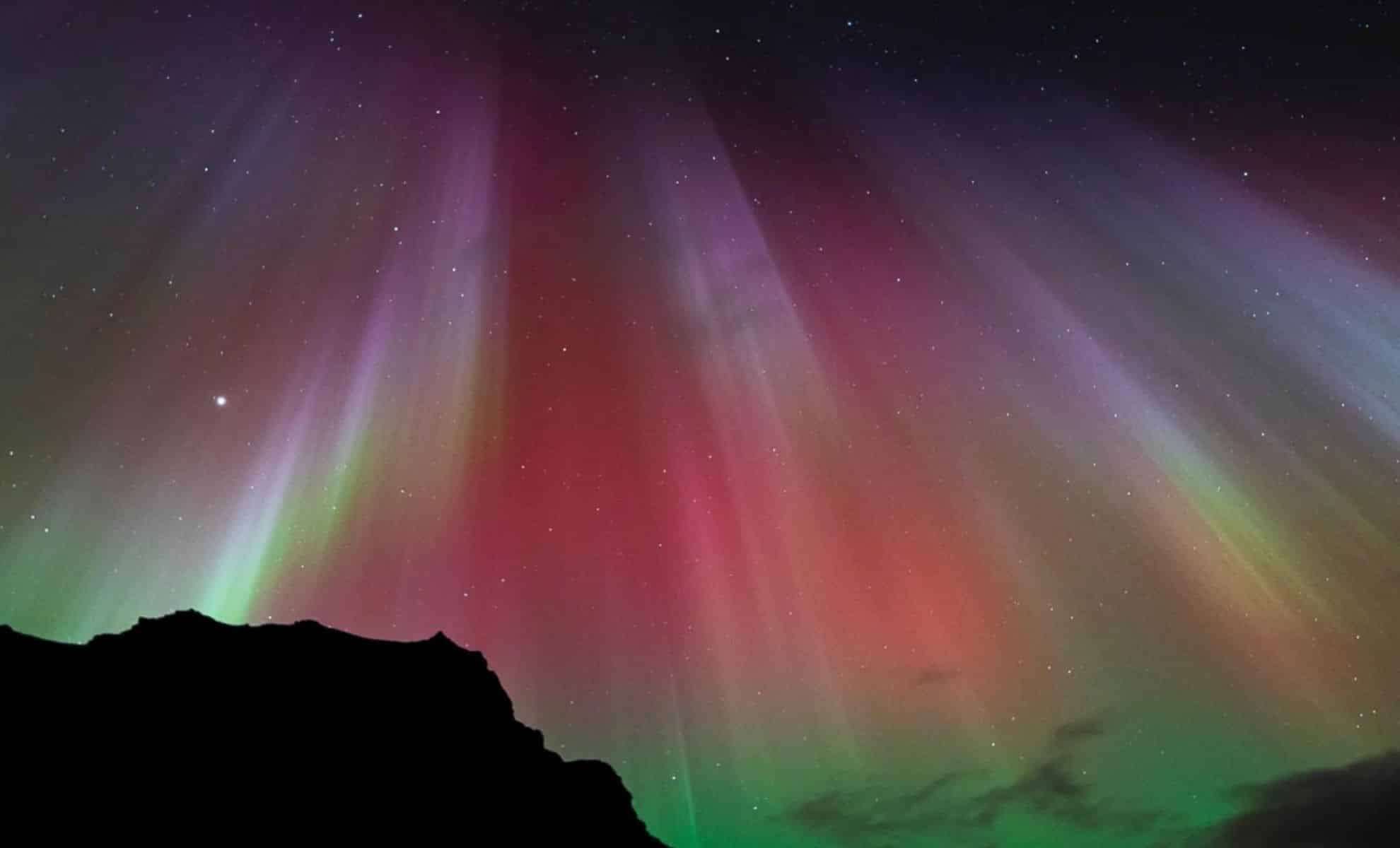
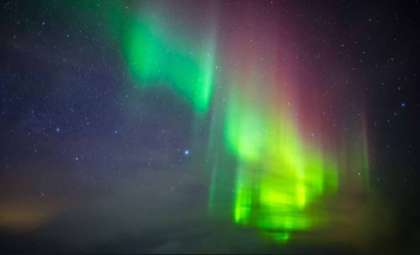
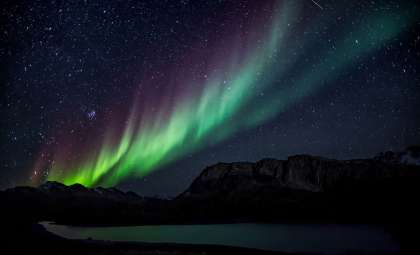
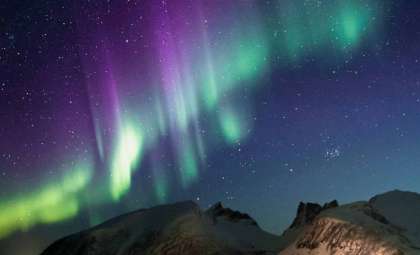
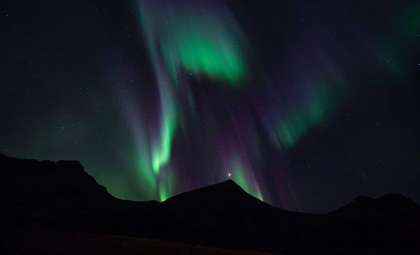
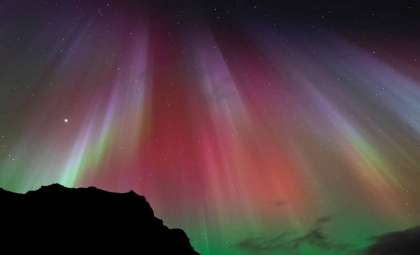
A significant surge in solar wind is interacting with Earth's magnetosphere on the evening of March 25, 2025, potentially producing auroras visible in 15 U.S. states, according to recent space weather predictions. As detailed by Forbes, the National Oceanic and Atmospheric Administration (NOAA) has announced a geomagnetic storm watch that could push the northern lights beyond their usual Arctic confines.
Solar Storm Sparks Intense Geomagnetic Activity
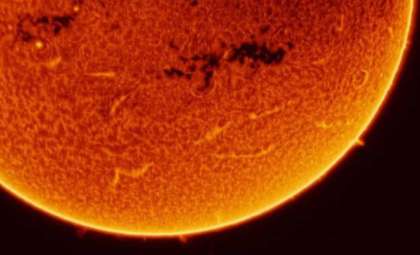
This geomagnetic disturbance originates from a high-speed stream of charged particles from a coronal hole, an area on the sun characterized by lower density and temperature. This solar wind is currently clashing with Earth's magnetic field, and combined with a recent coronal mass ejection (CME), it is generating significant geomagnetic turbulence.
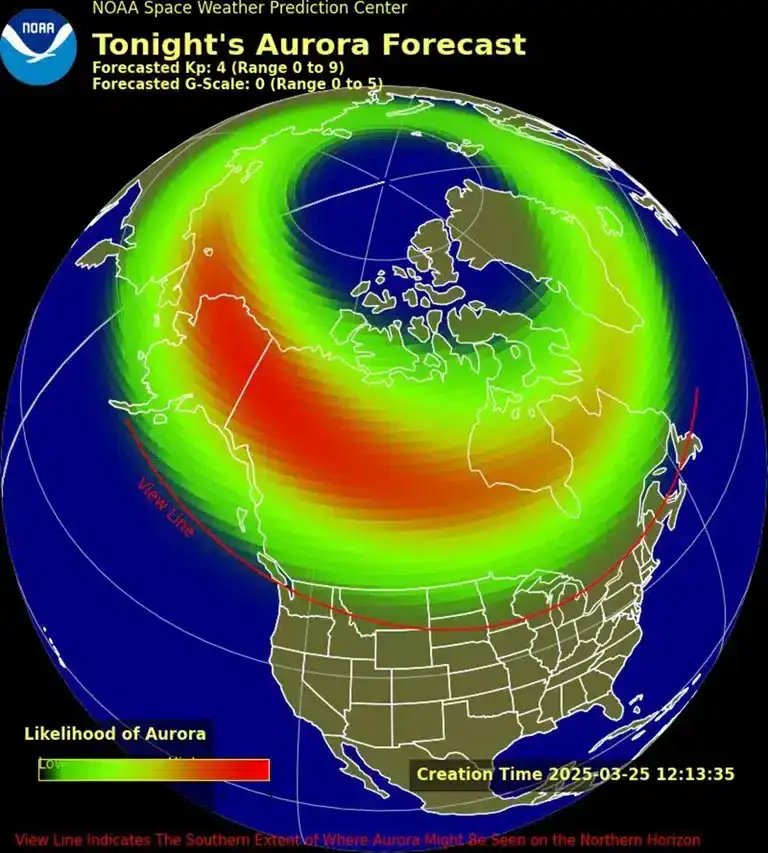
NOAA's three-day forecast predicts the Kp index ranging between 5 and nearly 6, on a scale topping at 9. At this intensity, the auroral zone tends to extend farther south, creating opportunities to observe the northern lights closer to the continental United States than usual.

Potential Viewing Locations for the Aurora
The brightest auroras will be concentrated over northern Canada and Alaska, but there is a chance for sightings further south in several U.S. states. Areas with higher odds include:
- Northeastern Washington
- Northern Idaho
- Northern Montana
- North Dakota
- Northern Minnesota
- Upper Michigan
Additional states where the aurora might be faintly visible, particularly under dark, clear skies, include:
- Wyoming
- South Dakota
- Iowa
- Wisconsin
- New York
- New Hampshire
- Vermont
- Maine
NOAA advises observers to search between 10 p.m. and 2 a.m. local time in locations far from urban light pollution, with elevated vantage points offering the best chance for clear views.
Advice for Photographing the Northern Lights
Capturing the aurora requires preparing for dim lighting conditions. National Geographic suggests using a tripod and wide-angle lens to maintain stability and frame the scene. Ideal camera settings include long exposures with an aperture of F4 or wider, elevated ISO, and extended shutter speeds to reveal vivid colors often missed by the naked eye. Smartphone users should activate night mode and turn off the flash to improve image quality.
The Role of the Solar Maximum in Current Aurora Displays
The increased solar activity producing tonight’s geomagnetic storm is part of the solar maximum, the peak phase of the sun’s approximately 11-year cycle. As noted by NASA, this solar maximum began intensifying in 2024 and is expected to last until early 2026. It has already generated record-breaking events like the May 2024 geomagnetic storm, which pushed the aurora as far south as Texas and northern Florida.
This 2024 incident was the most intense auroral display in five centuries, and tonight’s storm further demonstrates how solar phenomena continue to create spectacular light shows visible well beyond the usual polar regions.
- Categories:
- News




0 comments
Sign in to Comment