
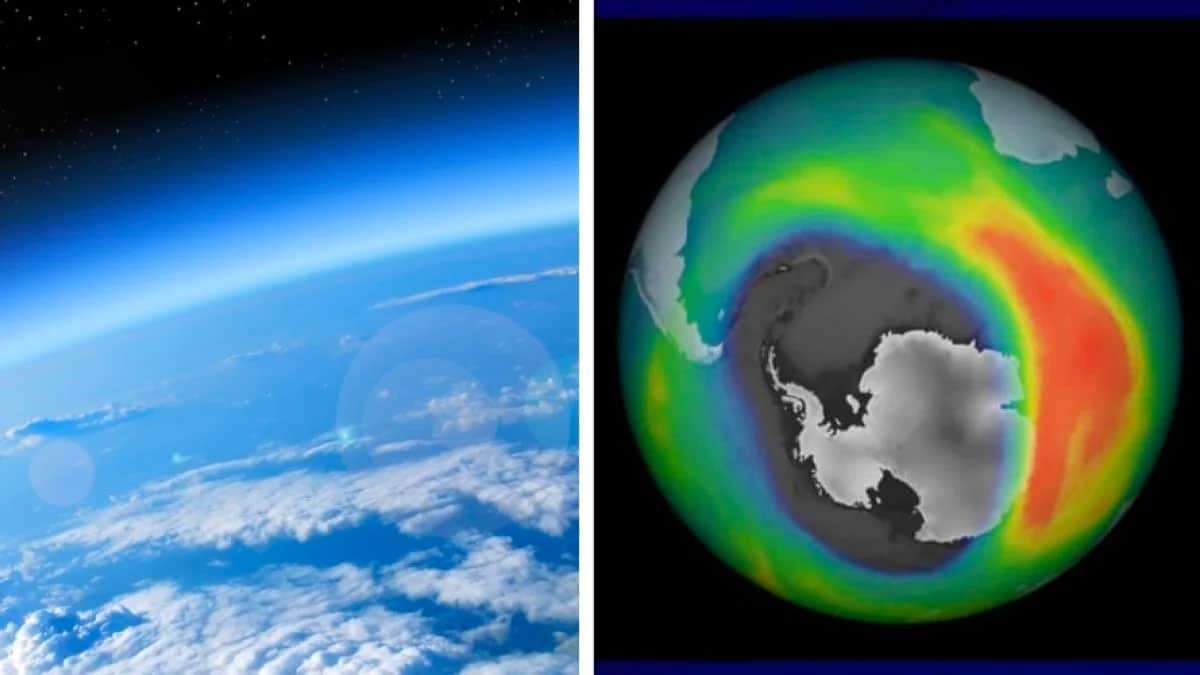
Researchers have recently detected an extraordinary enlargement of the ozone hole hovering over the South Pole, now extending to an area three times larger than Brazil. This striking surge has prompted global scientific attention due to its potential effects on environmental stability.
Unprecedented scale of the ozone depletion
On September 16, 2023, the Sentinel 5P satellite from the European Space Agency revealed the ozone hole's astonishing spread, reaching 26 million square kilometers. To contextualize its sheer size, this region is:
- Triple the size of Brazil
- Fifty times larger than France
- Roughly 10 million square miles in extent
The rapid enlargement has spurred concern among experts monitoring Earth's atmospheric health. Antje Inness from the European Centre for Medium-Range Weather Forecasts commented, “The 2023 ozone hole developed earlier than usual and expanded rapidly from mid-August. It ranks among the largest recorded in history.”

The ozone layer plays a vital role in blocking dangerous ultraviolet light from reaching Earth’s surface. While seasonal changes affect polar ozone levels, the current magnitude of depletion is extraordinary and demands urgent scientific focus.
Causes behind the ozone hole's expansion
Several contributing mechanisms combine to widen the ozone hole, such as:
- Seasonal dynamics: The hole generally emerges over polar latitudes between August and October in the Southern Hemisphere.
- Polar stratospheric clouds: These cold-weather clouds catalyze chemical reactions that reduce ozone concentrations.
- Volcanic emissions: The 2022 eruption of Hunga Tonga injected more than 50 million tons of water vapor into the stratosphere.
Scientists suggest that the Hunga Tonga eruption significantly fueled the ozone hole growth. Antje Inness explained, “An influx of water vapor can increase polar stratospheric cloud formation, where chlorofluorocarbons (CFCs) interact to hasten ozone breakdown. Additionally, water vapor cools the Antarctic stratosphere, intensifying these clouds and reinforcing the polar vortex.”
Background and global initiatives
The issue of ozone depletion has been a long-standing environmental concern. Key milestones include:
YearEvent1987Signing of the Montreal Protocol by 195 nations1990s-2000sPhased decrease in CFC emissions worldwide2023 (January)UN experts report signs of ozone recovery2023 (September)Unprecedented growth of the ozone hole recorded
The Montreal Protocol represented a major global commitment to limit chlorofluorocarbons, hazardous chemicals commonly used in refrigeration and aerosols, responsible for ozone layer damage.
Although the recent expansion is concerning, scientists remain hopeful for a gradual restoration of the ozone layer. Continued reduction of harmful emissions could enable a full recovery by the middle of this century.
Looking ahead: ecological consequences and recovery prospects
Despite the current alarming size of the ozone hole, predictions indicate it should close in the upcoming months. This event underscores the delicate nature of Earth’s atmospheric shield.
Potential consequences of the enlarged ozone depletion include:
- Elevated levels of ultraviolet radiation reaching the planet’s surface
- Negative impacts on vegetation and wildlife
- Alterations in climate dynamics and weather patterns
Ongoing observation and research are essential to tackle this environmental challenge effectively. Global collaboration remains key to safeguarding the ozone layer and addressing climate-related effects. Only through steadfast international effort can the balance of our planet's protective atmosphere be maintained.
- Categories:
- Climate change










0 comments
Sign in to Comment