

Following over a century as a crucial climate regulator, the Southern Ocean now faces the potential of discharging a tremendous reserve of heat, potentially driving global temperatures higher again even after emissions are reduced. This unexpected release, termed an oceanic “burp,” might sustain warming for more than a century. Recent climate simulations published in AGU Advances suggest that stored heat deep within the Southern Ocean could resurface centuries after the planet begins cooling.
Oceanic Heat Release Could Restart Global Warming
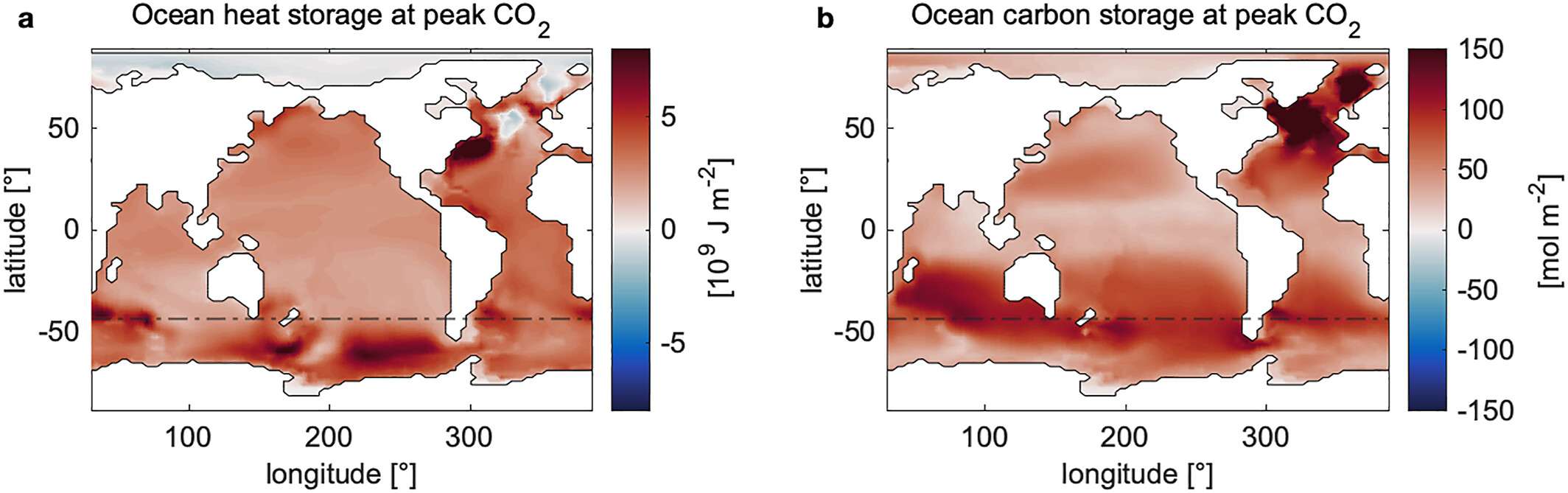
For many years, the Southern Ocean has absorbed roughly 25% of anthropogenic CO₂ emissions and over 90% of excess thermal energy, as reported by Phys.org. This process has helped mitigate the worst effects of climate change. However, new modeling warns of an unforeseen consequence: the deep ocean layers, heavily laden with heat, could suddenly emit it back, even after carbon emissions have declined and temperatures have started to drop.
This phenomenon could trigger a fresh wave of warming originating from the ocean, independent of new carbon emissions. The study released on October 15, 2025, led by Ivy Frenger from the GEOMAR Helmholtz Centre for Ocean Research, employed the UVic Earth System Climate Model to explore scenarios where carbon emissions increase for 70 years, then sharply fall, followed by continued net-negative emissions.

A Delayed Wave of Ocean Heat
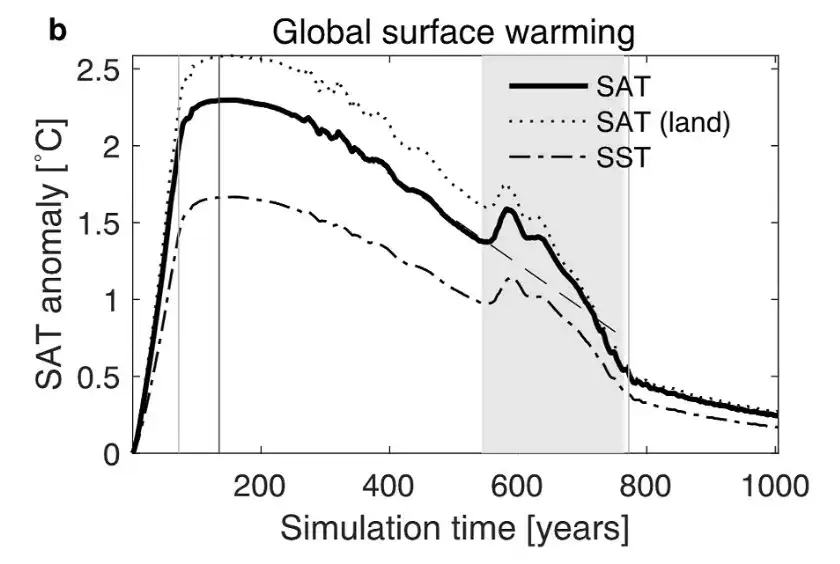
What stands out in this scenario is the time delay between the beginning of global cooling and the subsequent heat release. The surge of thermal energy emerges centuries after temperatures start to decline and is characterized by a sudden expulsion of stored heat, resembling a climatic rebound.
This warming episode could persist for decades or even centuries, with intensity comparable to the average rate of human-driven global warming. While some CO₂ is emitted during this event, the main effect stems from heat release rather than chemical changes in the atmosphere. Essentially, the warming is caused by the release of heat previously trapped in the ocean, not new carbon emissions.
Sea Ice Meltdown Triggers Heat Storage
A key driver of changes in the Southern Ocean is the reduction of sea ice, which typically reflects sunlight back into space. As greenhouse gases rise and polar ice diminishes, more sunlight penetrates the ocean surface, increasing heat absorption. This reduction in albedo causes deeper ocean layers to accumulate more heat.
According to ScienceAlert, two mechanisms underpin this heat sequestration: warmer surface waters mixing with cooler deeper layers, transferring heat downward; and a decline in the ocean’s natural heat ventilation processes. Together, these effects trap heat beneath the surface, laying the groundwork for a delayed resurgence of warming.
Disproportionate Consequences for the Global South
While this thermal “burp” is a worldwide event, its impact varies geographically. Researchers observed that the Southern Hemisphere endures more intense and longer-lasting warming compared to the Northern Hemisphere, largely due to regional ocean circulation and proximity to the heat source.
The analysis highlights the risks for the Global South, where existing climate vulnerabilities are severe. Communities in these areas may confront heightened environmental challenges even after global emissions drop, complicating expectations about the pace and fairness of climate recovery.
If oceans continue emitting heat long after emissions are cut, current climate targets and models may underestimate the time required for meaningful global temperature stabilization.
- Categories:
- Climate change












0 comments
Sign in to Comment