
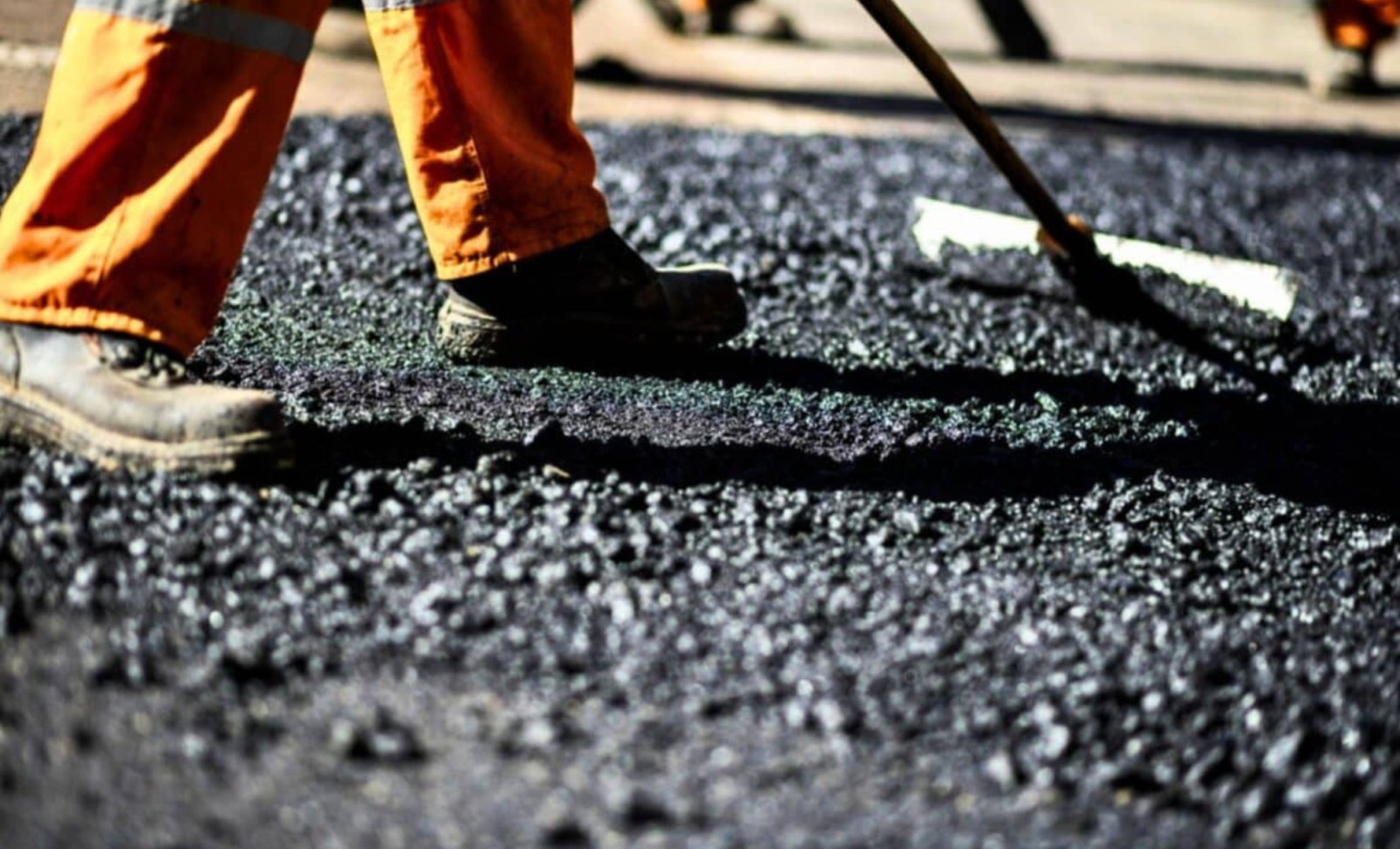
In Barcelona's Eixample district, a 2,000-square-meter stretch of road appears typical at first glance. Its smooth, black surface aligns seamlessly with the pavement, but beneath lies a groundbreaking innovation: the asphalt incorporates biochar derived from olive pits, the robust, carbon-rich remnants of Spain’s olive oil production. This material was chosen by the Barcelona City Council as the top entry in a local innovation challenge designed to reduce carbon emissions in road construction.
The initiative stems from a collaboration between construction firms Agustí i Masoliver, SA (AMSA) and Asfaltos y Construcciones Elsan, SA (ELSAN), along with experts from the Polytechnic University of Catalonia. Their design substitutes traditional limestone fillers in asphalt with a carbon-dense material sourced from agricultural and forestry by-products.
Preliminary results reveal a 76% decrease in carbon emissions compared to standard pavement mixes, while lab analyses demonstrate that the biochar-infused asphalt matches or surpasses conventional asphalt in resisting moisture, cracking, and temperature fluctuations.

Pyrolysis: Capturing Carbon Within the Pavement
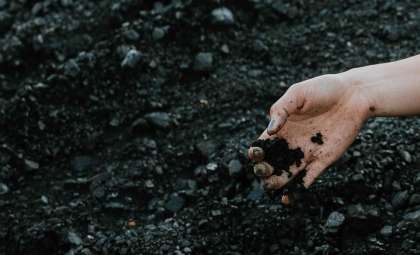
The key process behind this technology is pyrolysis, a thermal technique that heats organic substances in a near-oxygen-free environment. During pyrolysis, olive pits’ carbon atoms do not convert to atmospheric CO₂ but instead transform into a stable, inert solid capable of locking carbon away for decades.
This works through a direct carbon cycle: olive trees absorb CO₂ as they grow, storing part of it inside the pits. Ordinarily, disposing of these pits releases the carbon back into the atmosphere within a few years through decomposition or combustion. However, pyrolysis permanently interrupts this release. Once converted into biochar and incorporated into asphalt, the road itself functions as a durable carbon reservoir.
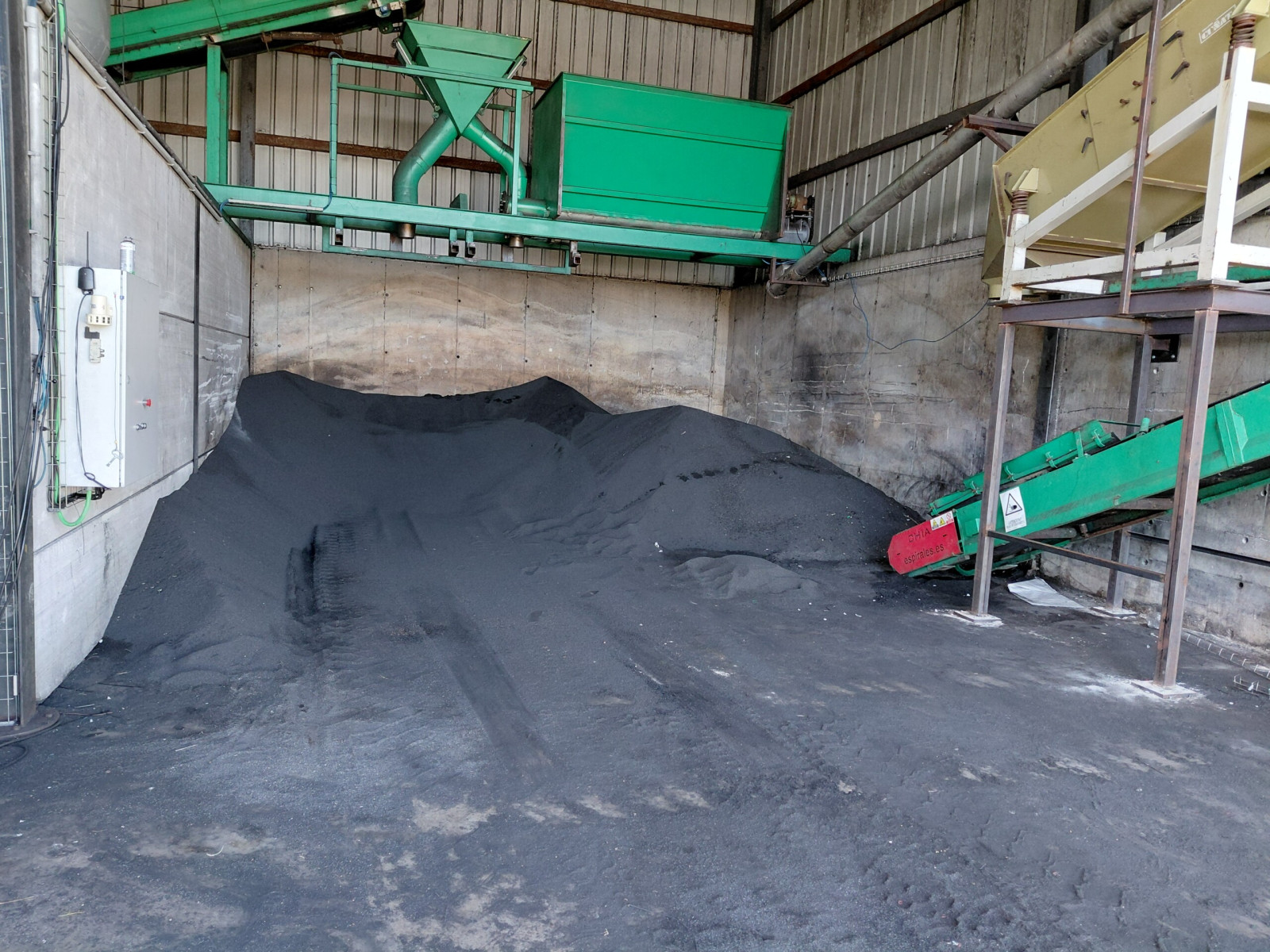
The biochar mixture in Barcelona combines residues from olive pits and pine biomass, two plentiful by-products widely available in Mediterranean regions. Carboliva, a company active in biochar innovation, views embedding this material into building projects as a method to transform infrastructure such as roads and buildings into long-term carbon stores. Unlike organic waste that decomposes rapidly, biochar’s chemically stable nature ensures carbon remains locked for as long as the pavement endures.
A Citywide Competition with Clear Environmental Goals
The Biochar initiative was born from the 21st Century Street Section contest, hosted by BIT Habitat in association with Barcelona City Council, BIMSA, and the Diputación de Barcelona. Contestants were tasked with cutting carbon footprints of road and sidewalk renovations while also decreasing water use, conserving raw materials, and ensuring urban infrastructure durability. The winning teams earned €90,000 and are continuing provisional development until September 2026.
With Barcelona’s Climate Plan aiming for carbon neutrality by 2030, roadways—previously overlooked in emissions tracking—have become key targets. The joint submission by engineering firms and academia, supported by municipal funds and piloted on a public street, bridges experimental research with city contracting procedures. This integration offers Biochar a feasible path for mainstream adoption seldom achieved by early-stage materials research.
Assessing Real-World Performance on Cerdà Street
The Cerdà Street installation evaluates factors critical to practical use. City engineers and Sorigué, a construction company, monitor how the biochar-infused asphalt responds to the daily wear of traffic, Barcelona’s intense summer temperatures, and moisture challenges during wet winters. Although lab studies reported superior moisture resistance, crack durability, and heat stability compared to regular asphalt, the ultimate test is real-world functionality.
Collected data will guide the technical standards municipal engineers use for future contracts. A successful outcome after a full yearly cycle could lead to widespread implementation within the city's pavement procurement policies.
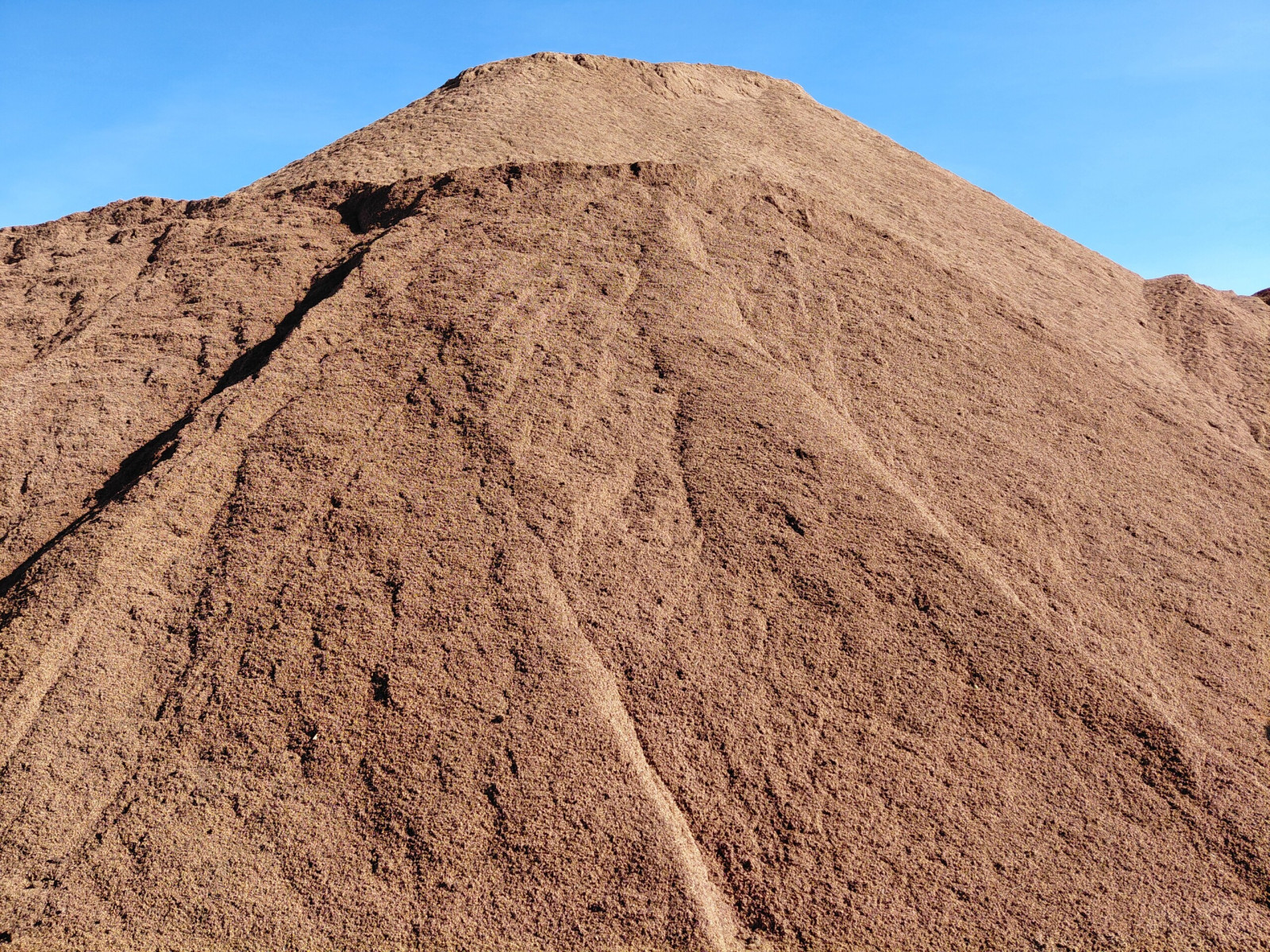
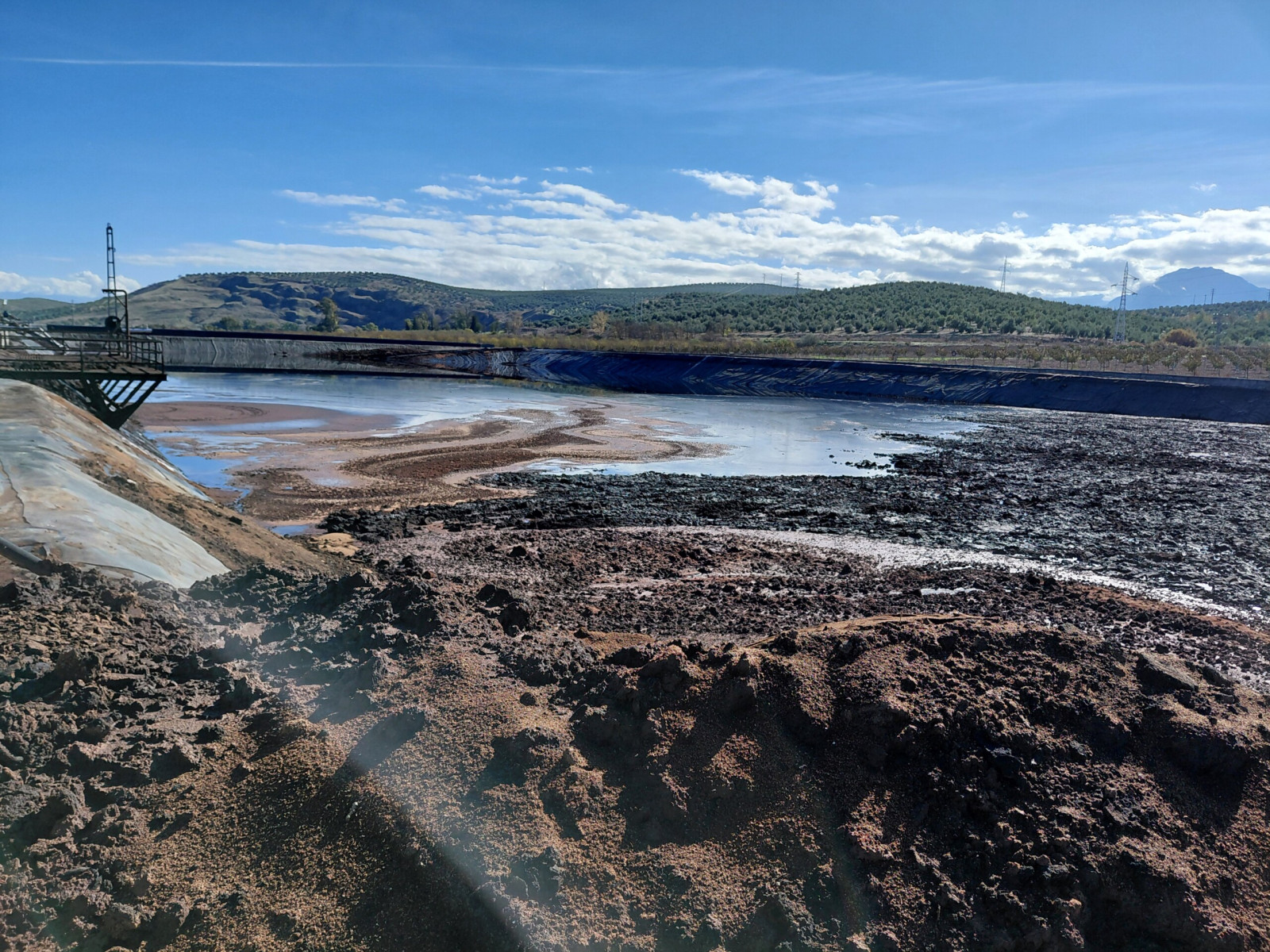
The pilot also examines supply logistics: as the global leader in olive oil production, Spain generates vast quantities of olive pits annually. Scaling up biochar pavement in Mediterranean cities could convert this abundant agricultural waste into a valuable construction resource without additional land or crop demands.
The Broader Implications of Biochar in Construction
Alongside road tests, biochar derived from olive pits is being explored as an ingredient in concrete. Collaborators with Carboliva have experimented with replacing some natural sand in concrete mixes with olive pit biochar. Findings reported by Olive Oil Times indicate this substitution decreases the carbon footprint and enhances resistance to water infiltration.
The potential impact of biochar usage in concrete is substantial, given concrete’s ubiquitous use as the world’s second most consumed material after water and its significant role in industrial carbon emissions. Alvaro Espuny, CEO of Carboliva, emphasized to Olive Oil Times that widespread biochar integration in construction materials would mark a significant advance in sustainability worldwide.
The Polytechnic University of Catalonia continues to validate the biochar-asphalt formula, and Barcelona’s procurement mechanisms position the project for easier scaling than most early experimental materials. The future of biochar in routine road-building hinges on performance data from Cerdà Street after one full cycle of traffic and seasonal weather.
- Categories:
- News






0 comments
Sign in to Comment