
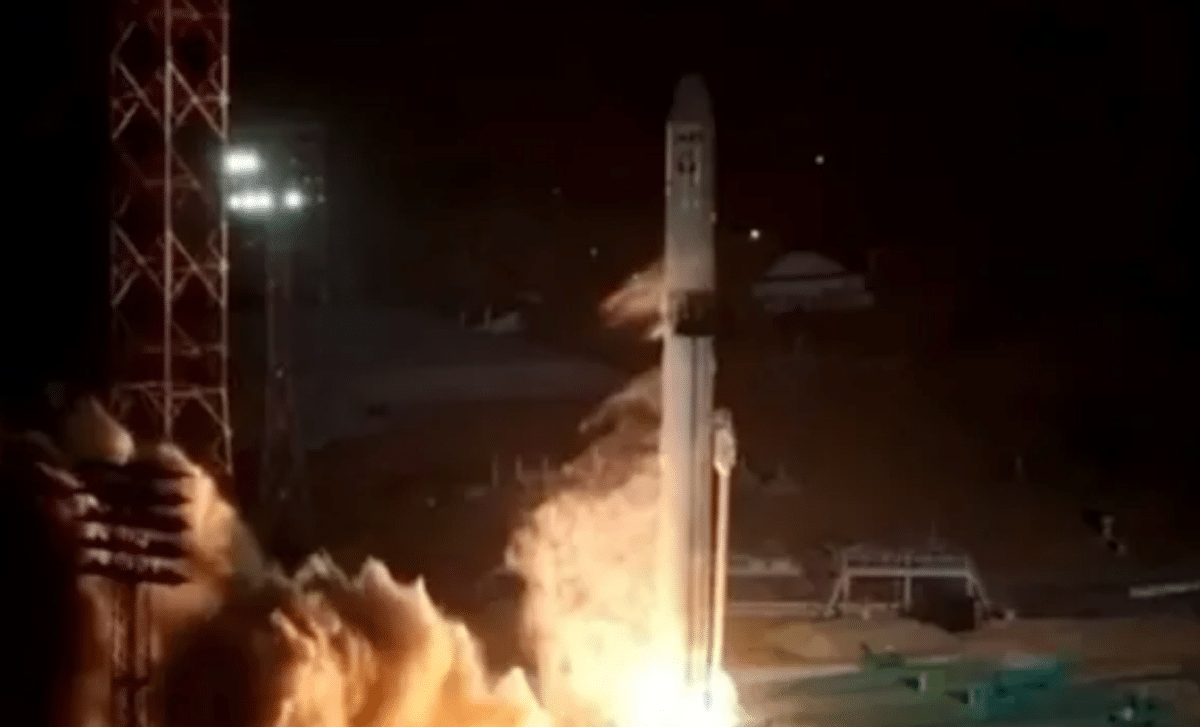
Russia has reached a critical point in its space exploration efforts with the successful maiden flight of the new Soyuz 5 rocket, underscoring a key achievement for the country's independent launch capabilities.
The Wait Is Over: Soyuz 5 Finally Takes Off
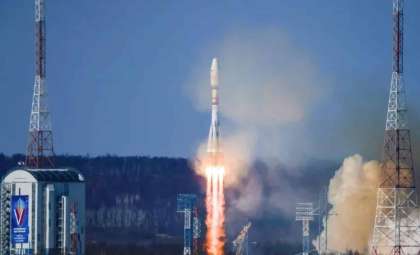
Following years of delays and geopolitical hurdles, Roscosmos has marked a significant moment by launching Soyuz 5 for the first time from the historic Baikonur Cosmodrome located in Kazakhstan. The launch occurred on April 30 at exactly 2:00 p.m. EDT, conducting a suborbital test flight intended to confirm the functionality and stability of the rocket’s initial phases.
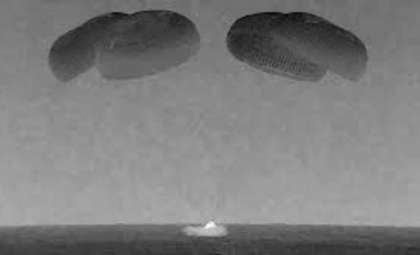
This test mission operated as a conventional trial run, a common procedure to verify new launch vehicles prior to engaging in full orbital deployment. The focus during this flight was on validating the early-stage rocket performance and trajectory precision rather than carrying a real payload. The vehicle transported a simulated payload that followed a predetermined flight route before safely reentering Earth's atmosphere over a specific area of the Pacific Ocean.

The launch was promptly declared successful by officials.
“The first test launch of the new Soyuz 5 rocket was a success!” representatives from Roscosmos stated via Telegram. They elaborated further: “The first and second stages of Soyuz 5 performed as planned, and a mockup was launched onto the calculated suborbital trajectory, followed by a reentry into an area in the Pacific Ocean previously closed to shipping and aviation.”
This launch is more than just a routine trial; it symbolizes Russia’s intent to revitalize and upgrade its launch infrastructure amid changing global partnerships and increased isolation in space endeavors.
Replacing Outdated Models to Regain Self-Reliance
The Soyuz 5 initiative began in 2017 aiming to substitute the outdated Zenit rockets, which have traditionally been manufactured in Ukraine. Following the downturn in relations post-2022, this dependence became a significant strategic weakness.
By creating a homegrown alternative, Russia plans to secure its autonomy for critical space operations. The rocket is also set to serve as the groundwork for a prospective super-heavy launch vehicle designed to support deep-space exploration and lunar projects.
According to Space.com, the overarching goal includes strengthening Russia’s independence in space technology while keeping competitive advantages intact. Originally, Roscosmos envisioned Soyuz 5 as a budget-friendly rocket adept at fulfilling both national objectives and commercial launch demands. Industry experts noted the agency hoped "that the low-cost vehicle would complement the Angara family of rockets for domestic needs and would make Russia competitive again on the international launch market."
Nonetheless, the evolving market and shrinking international collaborations have complicated this vision, especially as the launch industry rapidly shifts toward reusable technology and private sector-led innovation.
Assessing Soyuz 5’s Technical Footprint
From a capability standpoint, Soyuz 5 fits into the medium-lift rocket category, able to carry around 20 tons to low Earth orbit. This places it alongside SpaceX’s Falcon 9, one of the world’s most prominent launch vehicles.
However, key differences remain. Falcon 9’s cost-effective model benefits from first-stage reusability, whereas Soyuz 5 is fully expendable. Each mission necessitates manufacturing a new rocket, elevating long-term costs and limiting competitiveness in an industry that increasingly values sustainability and quick reusability.
This contrast exposes a notable technological divide. While Russian engineering remains robust, the lack of reusable features could pose challenges in attracting commercial customers, especially in a market where price and turnaround time are critical.
Nonetheless, the successful initial launch confirms Soyuz 5’s operational readiness, a crucial foundational accomplishment before pursuing future enhancements or developments.
- Categories:
- Space





0 comments
Sign in to Comment