
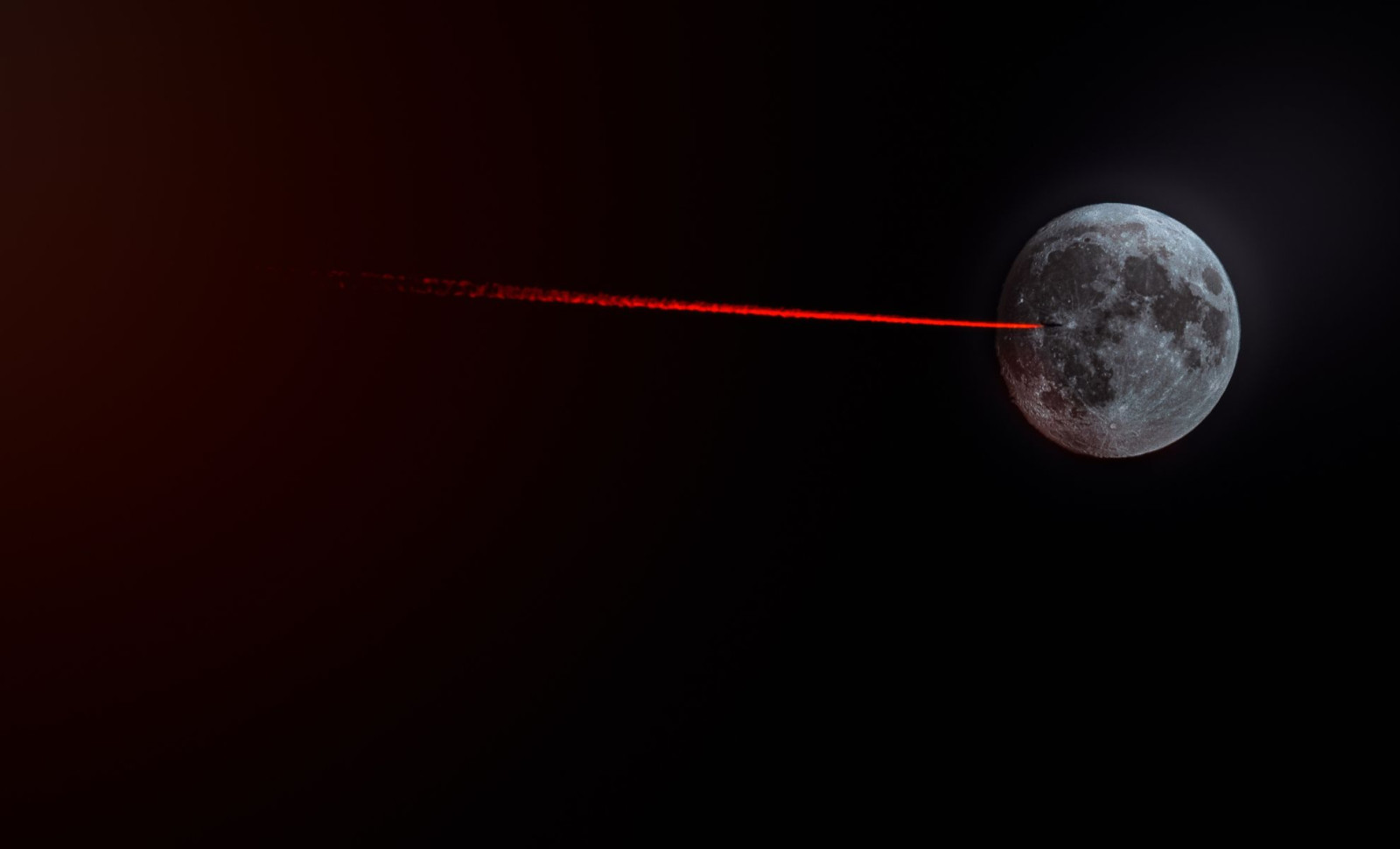
Reliable energy sources will be just as vital as rockets and habitats for the success of future lunar colonies. New research featured in the Journal of Deep Space Exploration introduces a Chinese initiative to deliver power across the Moon via a sophisticated system of laser-driven stations. This innovative approach targets a major hurdle in lunar colonization: maintaining continuous electricity during the Moon's prolonged nights, which last about 14 Earth days and render solar panels unusable.
A Breakthrough Strategy for Lunar Energy
Creating lasting human outposts on the Moon entails more than merely landing astronauts and erecting living quarters. Every device—from scientific instruments and communication arrays to life-support units and exploration rovers—depends on a constant energy flow. The Moon's unique light and dark cycles, each spanning around two weeks, pose considerable challenges. Solar panels generate power effectively during lunar days but fail completely after sunset, necessitating bulky batteries, nuclear generators, or novel methods to ensure steady electricity.
The Chinese team proposes a linked system of laser-powered stations that gather solar energy in illuminated zones and beam it directly to sites shrouded in darkness. Rather than stockpiling vast electrical reserves for weeks, this approach would deliver power on demand. The concept, detailed in the Journal of Deep Space Exploration, is part of an evolving suite of technologies aimed at enabling sustainable lunar living. Instead of isolated energy setups, future bases could connect within a versatile grid covering extensive lunar areas. This would enhance system robustness and cut down on the heavy energy storage hardware that would otherwise need launch from Earth.

Using Laser Beams to Integrate Multiple Lunar Facilities
According to SCMP, the plan involves carefully placed towers outfitted with advanced solar panels, precise laser emitters, and receivers that transform laser energy back into electricity. By simulating various configurations, scientists gauged how well this network could cover the rugged lunar surface. Their models revealed that fine-tuning tower locations by about 100 meters (roughly 330 feet) significantly increases the system's capabilities. As they stated,
“By adjusting deployment positions by roughly 100 metres (about 330 feet), the laser power network increased its effective coverage by more than 35 per cent, while the powered areas became nearly fully connected.”
This insight shows how precise adjustments can greatly boost energy delivery without adding new equipment. Such a network could enable various lunar stations—including research labs, observatories, robots, and communication points—to share power flexibly, building in redundancy if any single node fails. This interconnected design draws inspiration from Earth’s power grids but is customized to the Moon’s unique terrain and conditions. Technical challenges remain, such as maintaining beam alignment, dust interference, and temperature regulation, but ongoing improvements in laser tech make long-range wireless power transfer increasingly viable.
Advancing Sustainable Lunar Exploration Initiatives
China’s laser-powered energy model aligns with global plans for long-term scientific activity on the Moon over the next several decades. Many international space agencies are interested in establishing lasting or semi-permanent bases near the lunar south pole, where crucial resources like water ice and extended daylight provide operational benefits. Even in these advantageous locations, ensuring uninterrupted energy is tricky due to shadowed areas and lunar night cycles. A wireless laser power network could mitigate these risks by enabling energy sharing between distant facilities, enhancing mission security and supporting scalable infrastructure growth.
The scientists underscore their research’s significance, noting, “The study provides theoretical support for the construction of lunar research bases and energy supply systems.” While still in simulation and theory phases, this concept lays the groundwork for future experimental tests. Upcoming demonstration projects may attempt wireless laser energy transfer on the Moon itself, paving the way for larger, practical implementations.
- Categories:
- News






0 comments
Sign in to Comment