
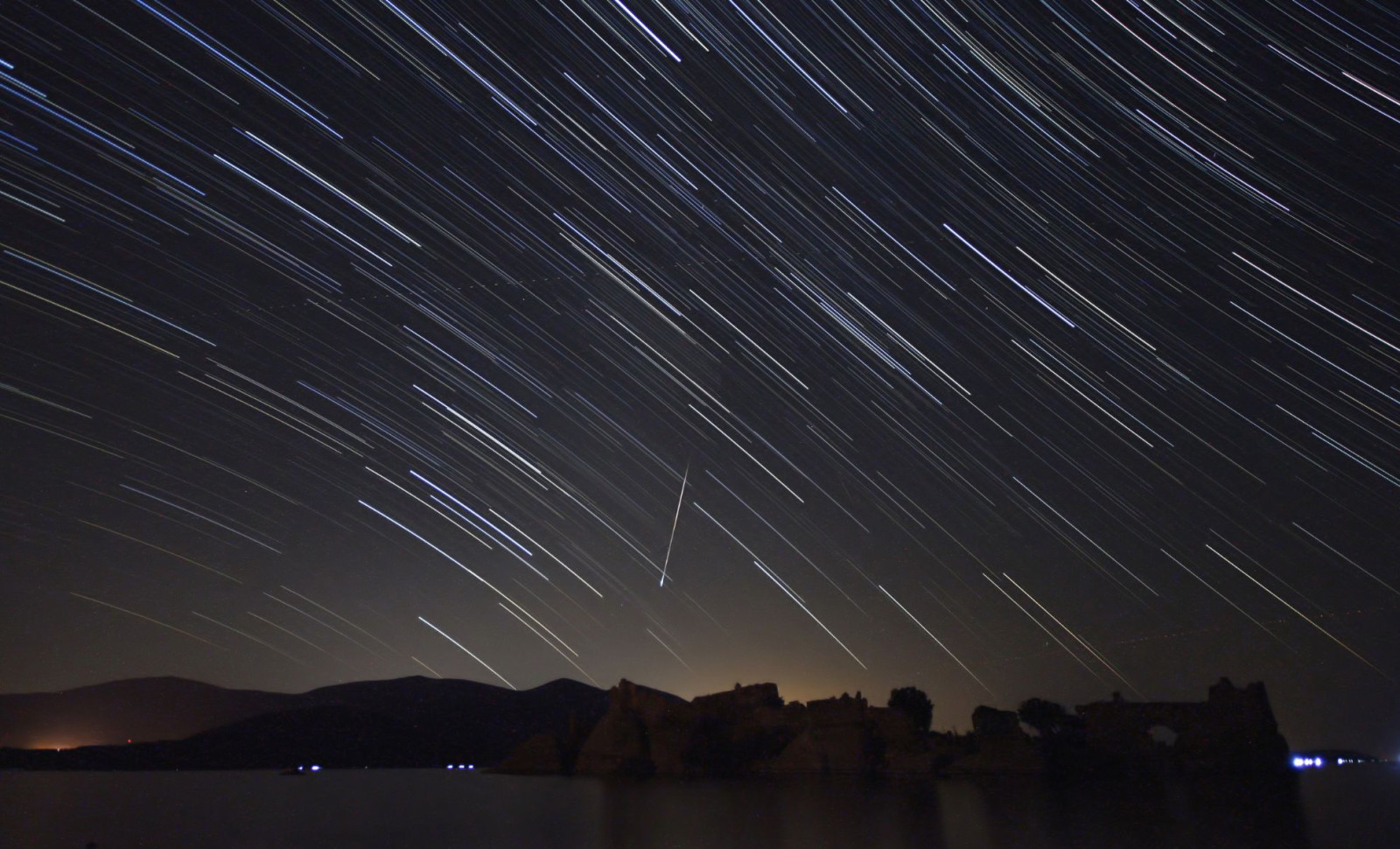
The upcoming nights promise a stunning celestial showcase as the Perseid meteor shower kicks off its yearly display, accompanied by the faint glow of a young crescent moon illuminated by Earthshine. The American Meteor Society reports that the shower officially begins this week, setting the stage for a gradual increase in shooting stars, culminating in an outstanding viewing opportunity. Stargazers, photographers, and casual sky observers alike can look forward to a captivating blend of cosmic phenomena unveiling the wonders of our solar system.
An Ideal Time to Spot the Moon’s Evening Return
This week, the lunar phase starts with the new moon on July 14, when the Moon positions itself nearly between Earth and the Sun, rendering its sunlit side hidden. This absence of moonlight contributes to some of the darkest skies of the month, enhancing the visibility of faint stars, distant galaxies, and the bright swath of the Milky Way, particularly away from city lights. Following the new moon, starting July 15, a slender waxing crescent emerges just after sunset, low along the western horizon.
Though only a small crescent shines directly due to sunlight, the rest of the lunar surface receives a subtle glow caused by Earthshine—sunlight reflecting off Earth’s land, water, and clouds before illuminating the Moon. This eerie luminescence outlines the full shape of the Moon’s disc and is visible to the naked eye under clear skies. Each night, the crescent gradually brightens and ascends higher, offering an ever-evolving spectacle as the Moon journeys across the sky.

The Perseid Meteor Shower Lights Up the Sky
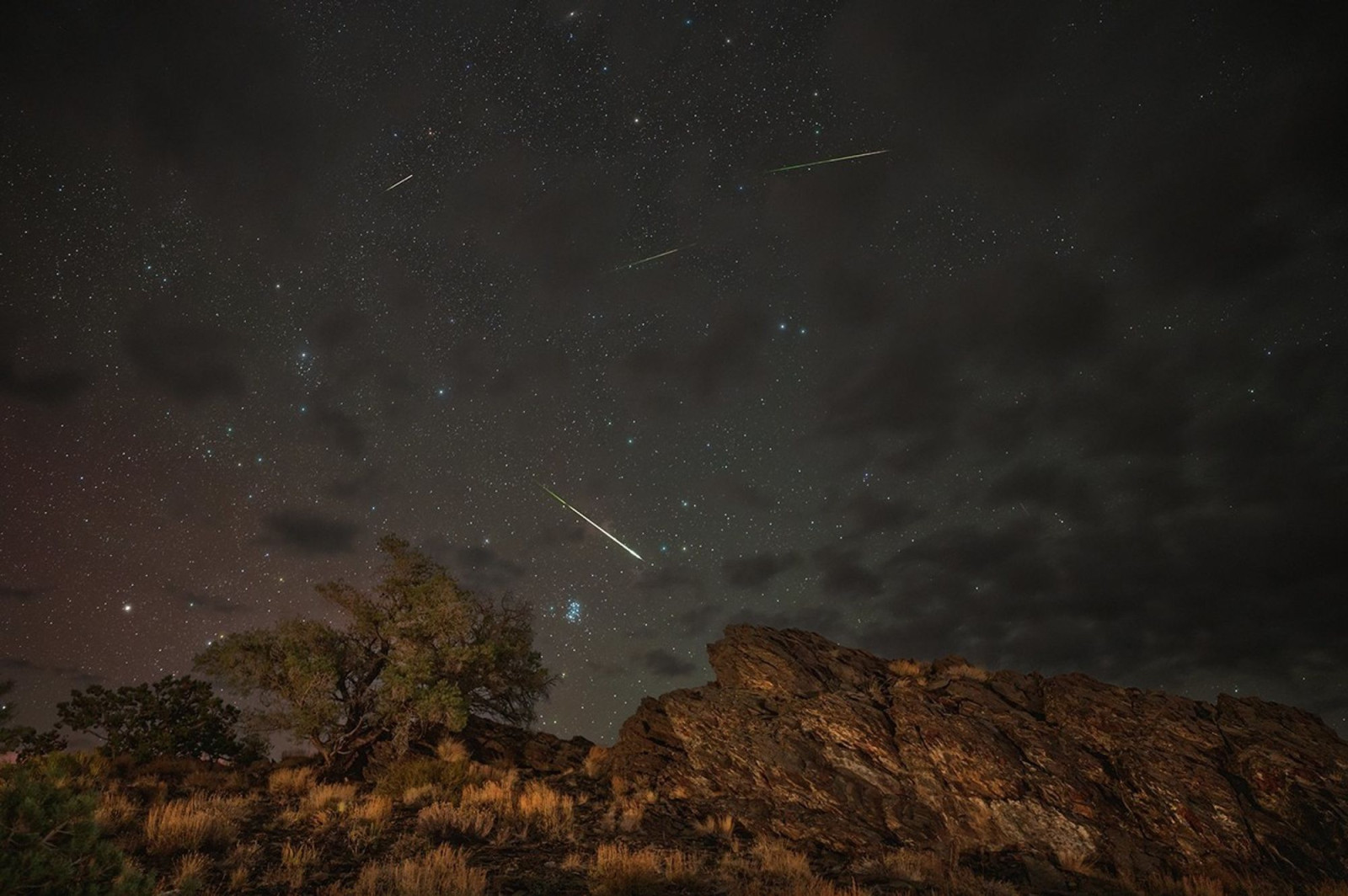
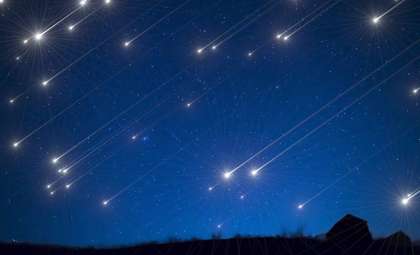
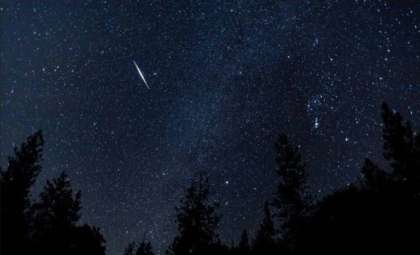
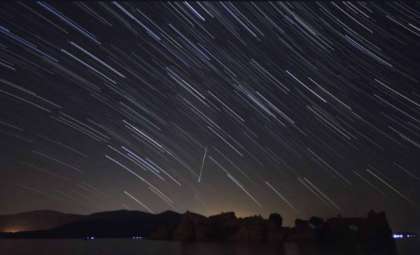
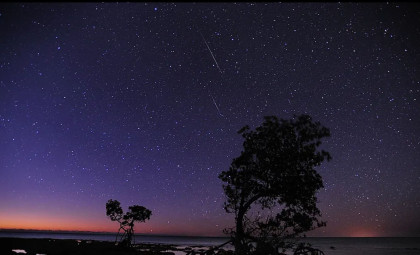
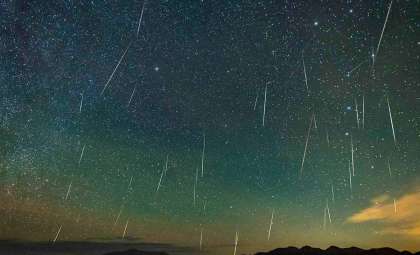
As the crescent Moon takes center stage during twilight, a remarkable meteor event quietly begins overhead. The Perseid meteor shower activates on July 17, kicking off one of the most anticipated meteor showers worldwide. Earth’s passage through debris trails left by Comet Swift-Tuttle results in tiny particles burning through our atmosphere at high speeds, producing the iconic streaks of light known as shooting stars.
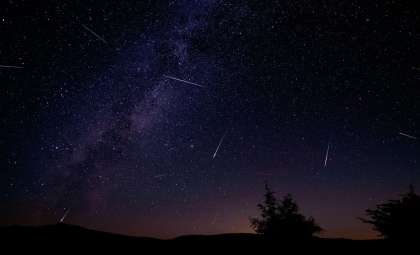
According to the American Meteor Society, the shower remains visible until August 24, with activity intensifying toward its peak on the night of August 12–13. Under excellent dark-sky conditions, watchers can expect to see between 60 and 100 meteors per hour after midnight, some producing dazzling fireballs brighter than the surrounding stars. The 2026 peak is set to enjoy nearly moonless skies, offering what astronomers predict to be one of the most impressive Perseid displays in years, especially outside cities plagued by light pollution.
The Stunning Sight of Venus Paired with Earthshine
In addition to the meteor shower, early evenings post-new moon present another alluring celestial scene. On July 16, as night falls, the slender crescent Moon appears low in the west, with the bright planet Venus shining just above. By July 17, the Moon will have shifted slightly to the left of Venus, creating a striking duo that’s easy for even novice skywatchers to spot. During this period, the faint Earthshine glow intensifies because the crescent remains thin, highlighting the Moon’s darker side against the twilight backdrop.
This pairing of the luminous planet, delicate lunar crescent, and subtle Earth-reflected light offers one of the year’s most picturesque sky moments. It also serves as a great way to appreciate the spatial relationship between Earth, Moon, and Sun through direct observation rather than relying solely on illustrations or models.
Why This Year’s Perseids Could Be Extraordinary
Several key elements favor this year’s Perseid meteor shower, making it especially appealing. The peak falls under near-dark conditions with little lunar interference, eliminating much of the usual brightness that hampers viewing fainter meteors. This darkness enhances the visibility of both the numerous subtle streaks and the occasional spectacular fireballs. Meteor activity typically peaks after midnight when an observer’s location rotates to face Earth’s orbital direction, producing the highest rates before dawn.
Viewing is best from rural locales free of artificial light, where the Milky Way can be seen in all its glory overhead. Notably, this spectacular meteor season follows shortly after a significant total solar eclipse observable over parts of Greenland, Iceland, and Spain, with partial eclipse views across much of North America and Western Europe. Together, these celestial events make summer 2026 a standout time for sky enthusiasts eager to track the evolving firmament.
- Categories:
- News




0 comments
Sign in to Comment