
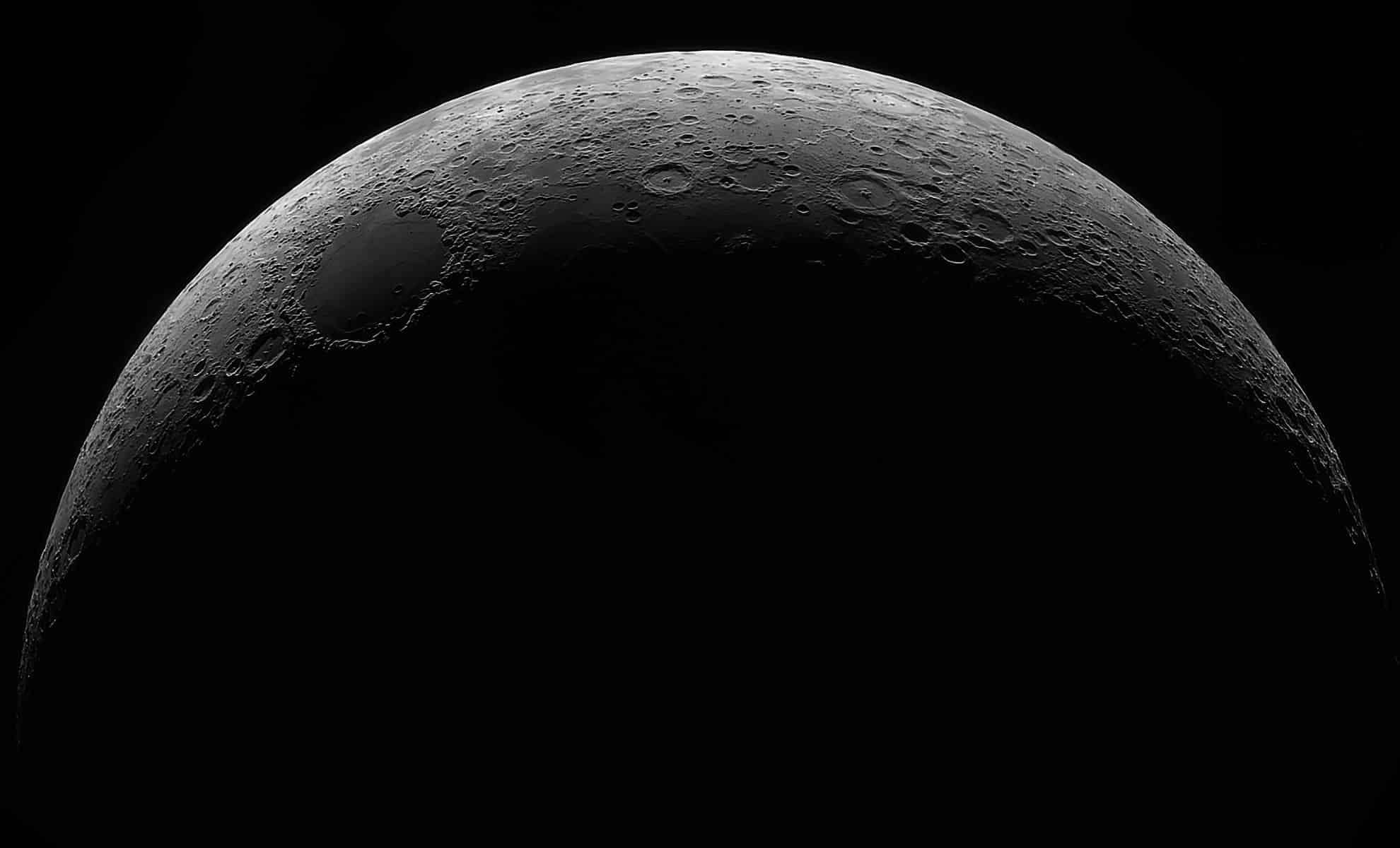
On August 23, 2025, skywatchers will witness the year’s sole black moon, a striking astronomical event. As detailed by IFLScience, this black moon is classified as seasonal, representing the fourth new moon within one astronomical season—a rare occurrence not seen again until 2027. Although the moon itself remains invisible to observers, the conditions it creates will be perfect for deep-sky watching.
Understanding the Rarity of a Black Moon
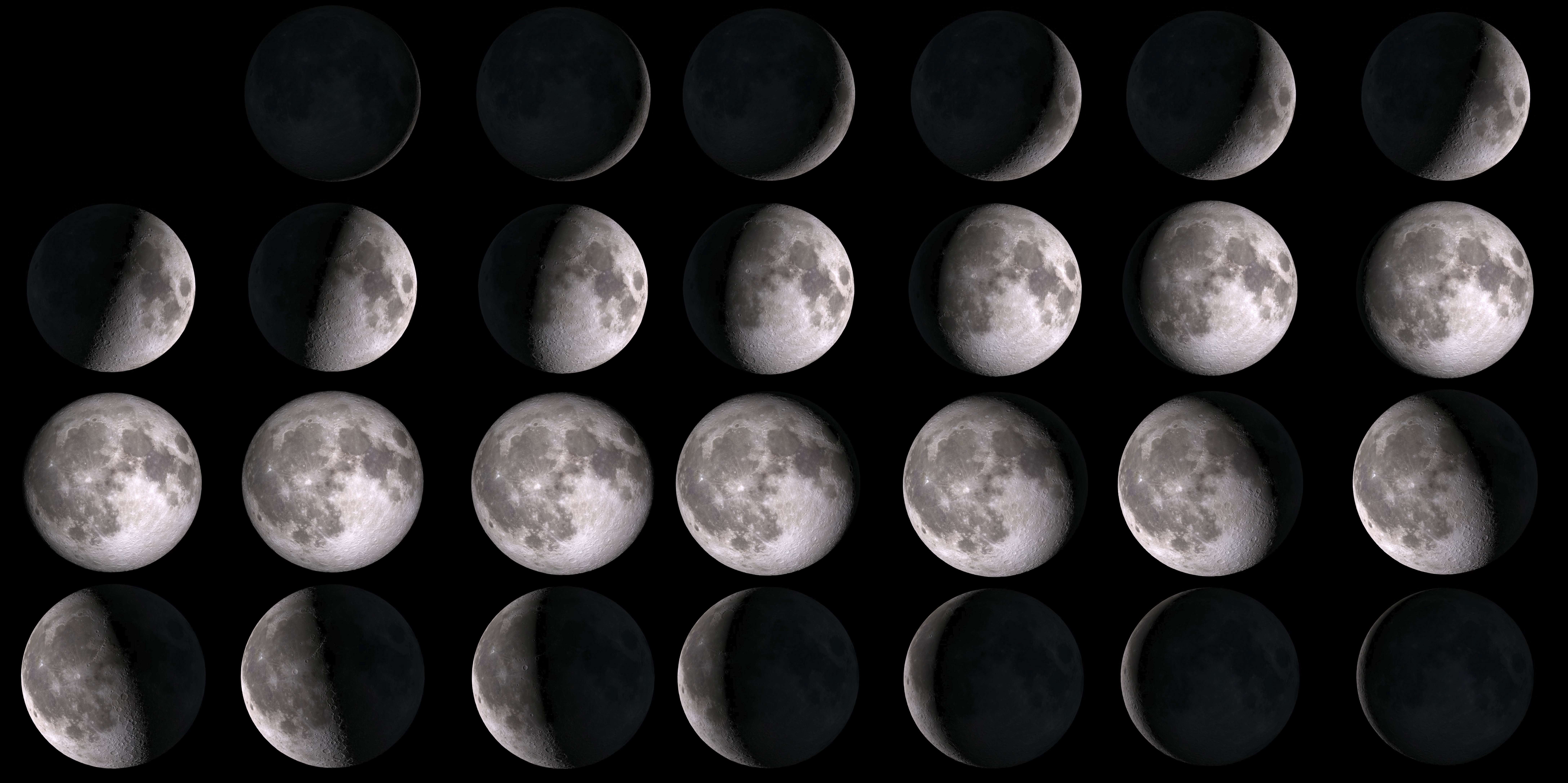
The Moon completes approximately 12.37 orbits around Earth each year. Usually, there are 12 new moons annually, but occasionally, the calendar aligns for 13. When a season—defined as the span between solstice and equinox—includes four new moons, the fourth is termed a black moon. This phrase dates back to ancient astrological traditions, where it once referred to a supposed secret satellite, before evolving to describe this scarce lunar event.
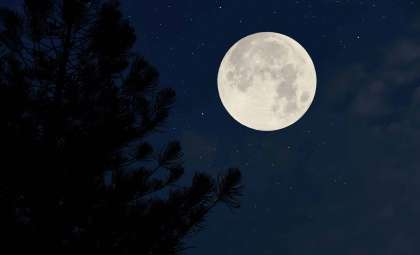
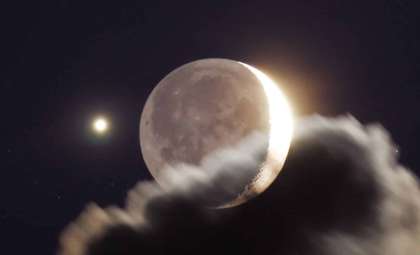
In contrast to a blue moon, which is either the second full moon in a calendar month or the third full moon within four in a season, a black moon takes place during the new moon phase. At this time, the Moon is positioned between Earth and the Sun, its lit side facing away, rendering it nearly undetectable in the night sky.

Embracing the Darkness for Stargazing
This natural absence of moonlight offers astronomers a prime opportunity. According to IFLScience, the moon’s glow often obscures faint celestial objects, but on August 23, the lack of lunar illumination will enhance visibility of the Milky Way, various star clusters, and distant nebulae with unprecedented detail.
This black moon event closely follows the Perseid meteor shower, which peaks in mid-August. While the meteors won’t align exactly with the black moon date, the darker skies surrounding this time will provide ideal conditions for long-exposure astrophotography or peaceful stargazing away from urban light pollution.
Looking Ahead to Upcoming Lunar Phenomena
If you miss the seasonal black moon on August 23, 2025, more lunar spectacles await. The following seasonal black moon arrives on August 20, 2028, coinciding with a supermoon. Another type, the calendar-based “monthly black moon”—when two new moons fall in the same month—is predicted for August 31, 2027.
Meanwhile, the upcoming blue moon—the second full moon within a calendar month—will occur on May 31, 2026. The next seasonal blue moon, the third full moon in a season of four, is expected on May 20, 2027.
Whether it’s the subtle allure of a black moon or the bright rarity of a blue moon, these celestial events present unique chances to connect with the cosmos in extraordinary ways.
- Categories:
- News






0 comments
Sign in to Comment