
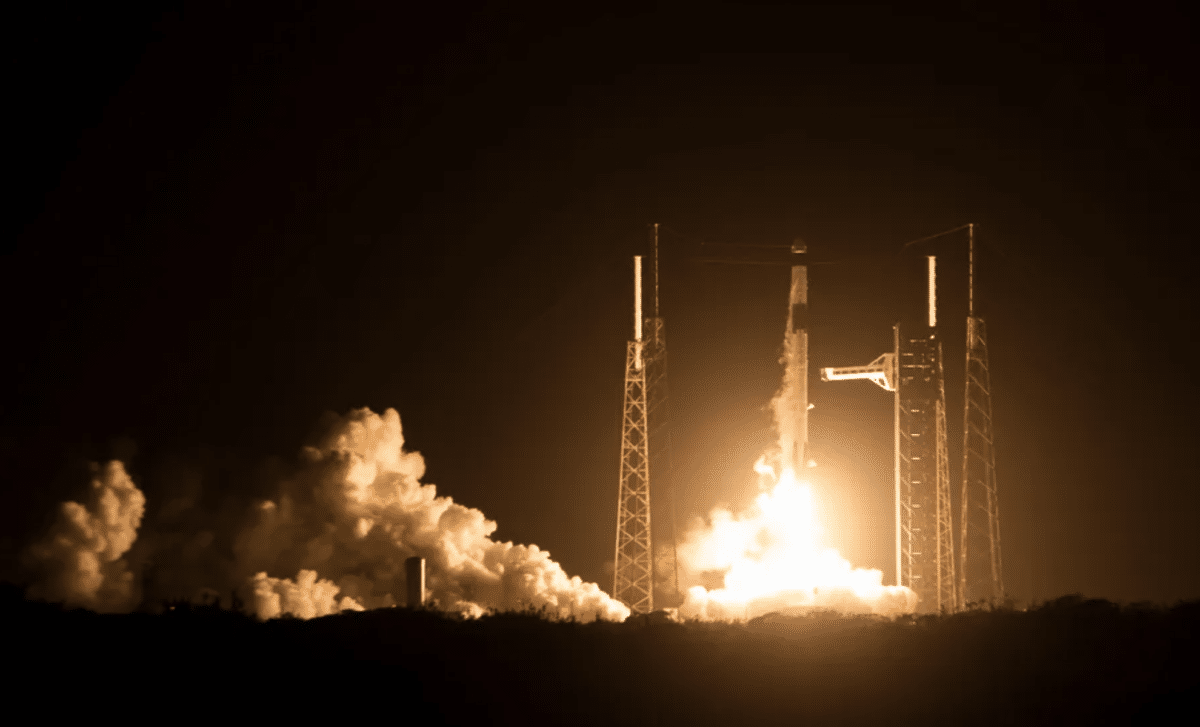
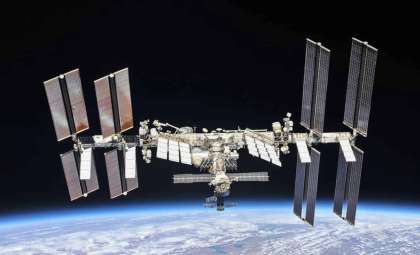
On February 13, 2026, SpaceX successfully propelled its Crew-12 mission into orbit, sending four astronauts to the International Space Station (ISS) to alleviate crew shortages following a rare astronaut medical evacuation. NASA reports that the Crew-12 team will undertake vital research and upkeep projects onboard the station. This launch follows the early return of the Crew-11 crew due to an urgent health concern with a team member. For many of the Crew-12 astronauts, this mission marks their maiden voyage into space, infusing renewed enthusiasm into ongoing space exploration efforts.
Launch Timing and Safety: Prioritizing Mission Reliability
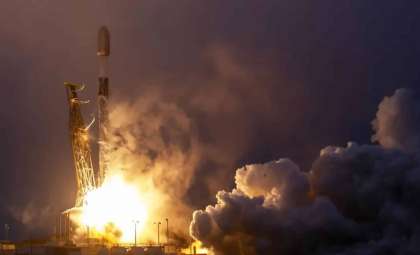
The Crew-12 mission lifted off from Cape Canaveral Space Force Station, Florida, after a two-day postponement caused by adverse wind and weather conditions along the flight route. Although delayed, the eventual launch was conducted ahead of schedule. Bill Gerstenmaier, SpaceX’s VP of Build and Flight Reliability, highlighted the critical nature of rigorous safety protocols during the delay explanation. He remarked,
“I really want to stress that what occurred on Starlink is unique to Starlink. We don’t do three burns with true missions,” referring to the specific circumstances surrounding the Starlink mission that led to an investigation. “We didn’t have to change anything [about Crew-12’s flight profile] based on what we learned from the Starlink mission.”
Add Cosmo Herald as a Preferred Source

This Crew-12 launch represented a key milestone for SpaceX as the second manned flight from Space Launch Complex 40 (SLC-40). This launch pad, which supports upcoming Falcon 9 missions, has been upgraded to accommodate newer vehicles including the Starship. Despite requiring several infrastructure modifications, SpaceX completed essential safety checks, ensuring a smooth launch sequence.
Meet the Crew-12 Astronauts: A Multinational and Skilled Team
The Crew-12 lineup showcases a rich blend of astronauts from NASA, Roscosmos, and the European Space Agency (ESA). Notably, NASA astronaut Jessica Meir—a seasoned spacefarer—expressed awe upon reaching orbit, stating, "That was quite a ride," followed by, "We have left the Earth, but the Earth has not left us," capturing the emotional essence of spaceflight. First-time space traveler ESA astronaut Adenot joins veteran NASA astronaut Jack Hathaway, bringing vitality and experience to the mission.
The astronauts’ voyage reflects a dedication not only to immediate mission goals but also to nurturing the future cadre of space explorers. Andreas Mogensen, who leads ESA’s Human Exploration Group, conveyed optimism at the prelaunch event: “We are really excited to see our new generation of astronauts getting their first experience in space.” This excitement resonates throughout the entire mission.
Scientific Endeavors and ISS Maintenance Focus
Throughout their stay, Crew-12 will engage in pivotal research aboard the ISS, focusing on investigations into the impacts of microgravity on human health, as detailed by NASA. These studies are critical for unlocking how spaceflight affects human biology, contributing valuable data for future extended missions, including Mars expeditions. Additionally, they’ll resume maintenance activities and conduct two scheduled spacewalks postponed due to Crew-11's medical emergency. The team is ready to uphold the station's functionality for ongoing and upcoming assignments.
Crew-12 will also bolster the ISS’s active scientific programs and play a central role in sophisticated research that advances humanity’s grasp of extraterrestrial life and environments. Their participation reinforces the cooperative spirit emblematic of international space exploration initiatives.
Advances in Spaceflight: Falcon 9 and Crew Dragon’s Role in Future Missions
SpaceX’s progress in human spaceflight is highlighted by the Crew-12 mission’s success. Utilizing Falcon 9, the company’s reusable launch vehicle, the mission underlined SpaceX’s commitment to innovation. After liftoff, the Falcon 9 booster safely returned to SpaceX’s landing zone LZ-40, further proving the reliability of its reusable technology. This approach aims to lower launch expenses and increase flight frequency, facilitating broader access to space for commercial and government entities alike.
The Crew Dragon capsule carrying the astronauts featured advanced safety and comfort measures and is slated to rendezvous with the ISS approximately 32 hours after launch, docking on February 14, 2026, at 3:15 p.m. EST. Continued mission success from SpaceX is shaping new horizons in human space exploration.
- Categories:
- Space






0 comments
Sign in to Comment