
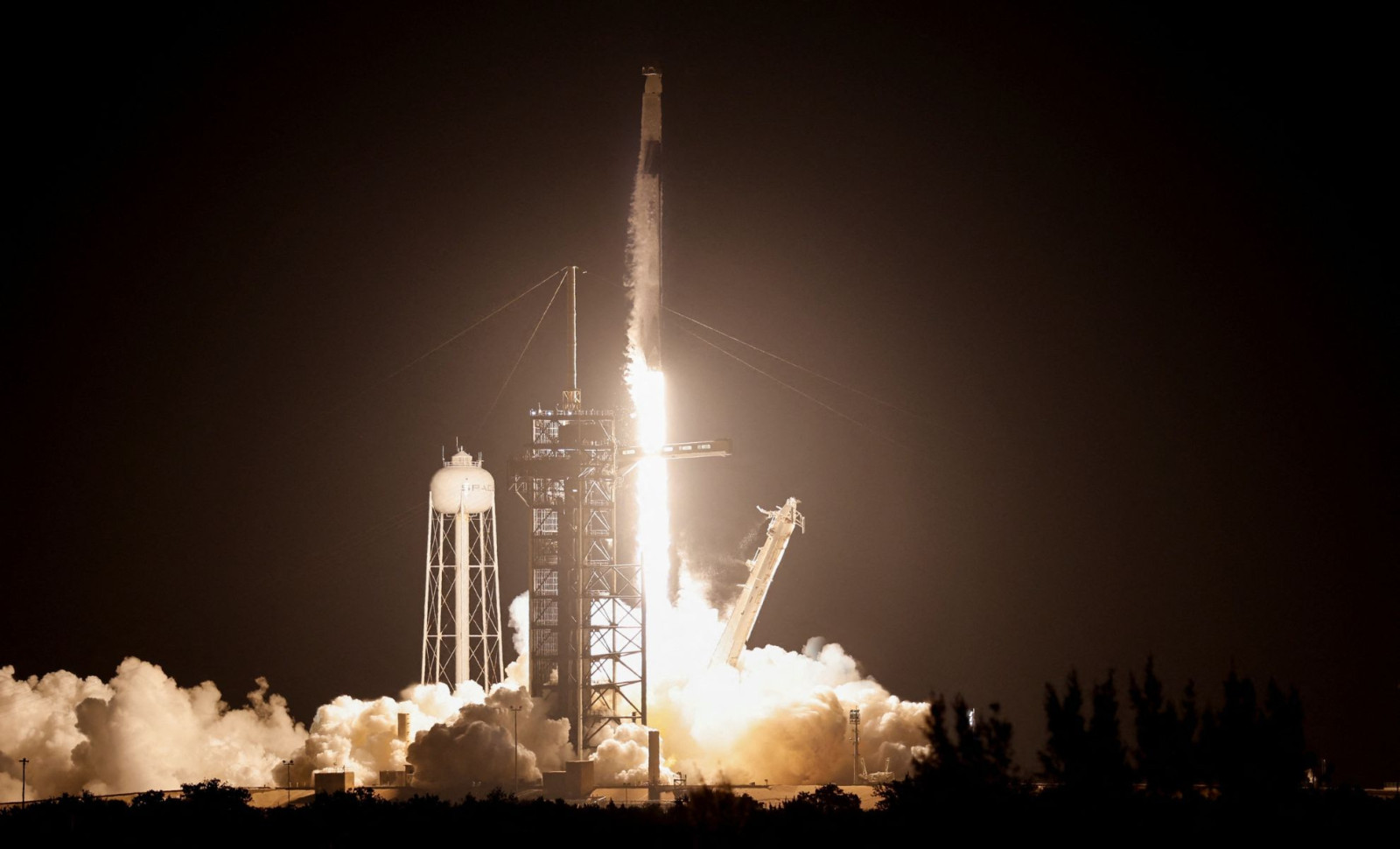
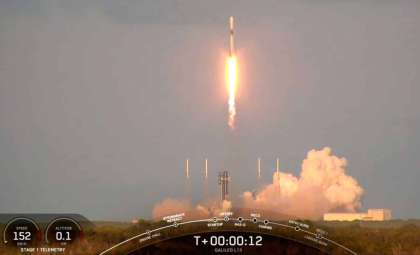
SpaceX commenced its 2026 launch schedule by deploying a sensitive national security payload for the U.S. National Reconnaissance Office (NRO). On the evening of January 16, a Falcon 9 rocket blasted off from Vandenberg Space Force Base in California, launching an undisclosed number of intelligence-gathering satellites as part of the NROL-105 mission.
The operation was conducted with strict confidentiality. In keeping with the NRO’s secrecy protocols, details about the satellites’ specifications and deployment timeline were withheld, and SpaceX discontinued its live webcast shortly after the booster successfully landed back on Earth. This marked SpaceX’s inaugural national security launch of 2026, underscoring its growing engagement in classified government space activities.
Successful Launch from Vandenberg
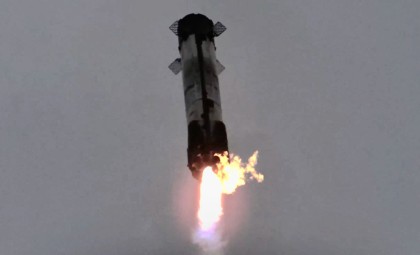
The Falcon 9 vehicle lifted off precisely at 11:39 p.m. Eastern Time (8:39 p.m. local time) on January 16, delivering its secret payload into low Earth orbit. Just over seven minutes post-launch, the booster executed a controlled touchdown at Vandenberg, completing its second flight successfully, according to SpaceX’s official reports.

Despite flawless operation, no information on technical details or mission goals was released besides confirmation of the liftoff and booster recovery. True to prior classified missions, public access remained tightly restricted. The live stream abruptly ended after booster landing, likely per NRO’s routine practice of limiting real-time coverage.
This launch was SpaceX’s seventh of the calendar year and followed four prior launches focused on expanding the Starlink broadband network. Significantly, NROL-105 represented the firm’s first mission dedicated to national defense in 2026.
Accelerating Satellite Network Growth
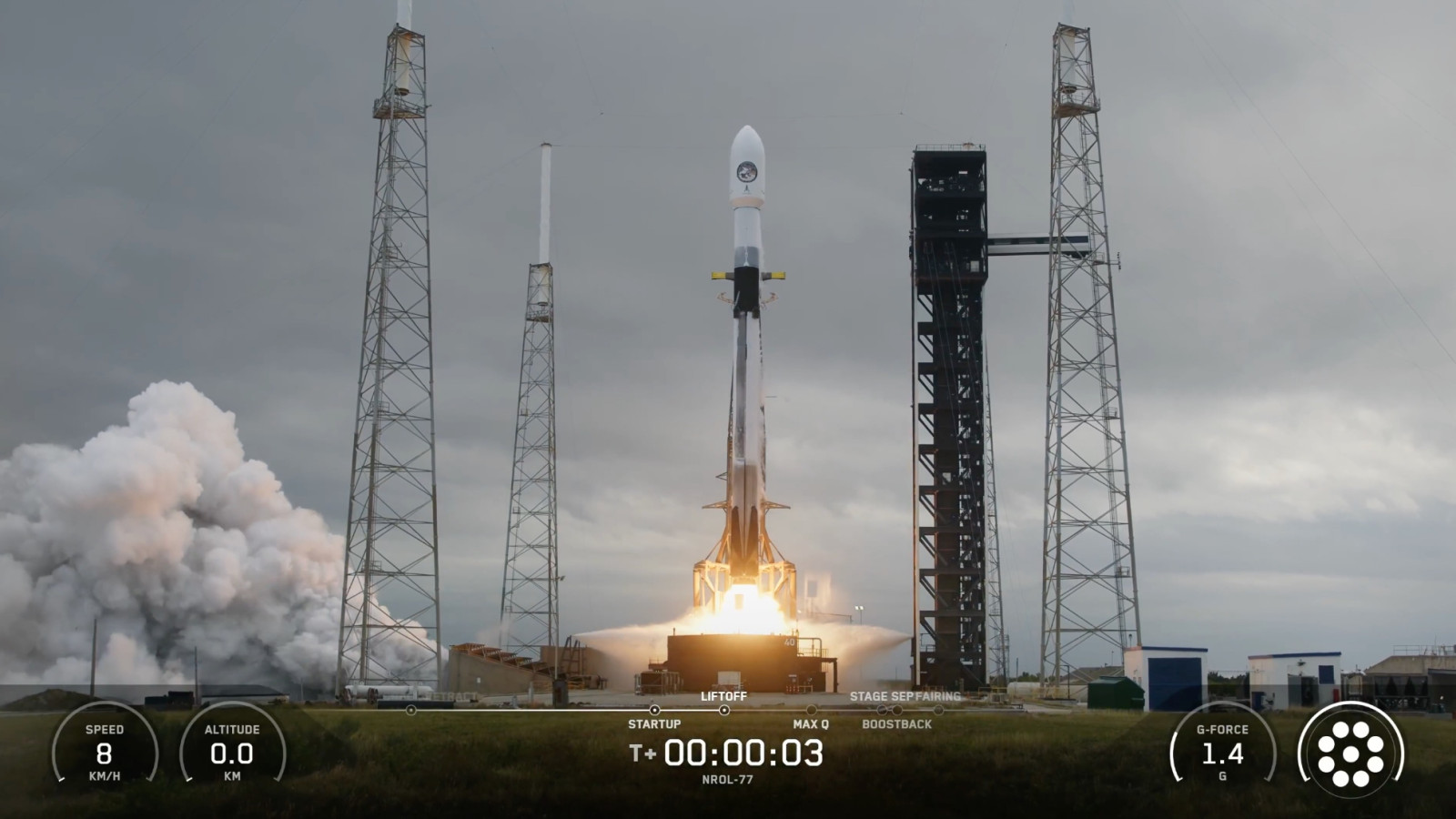
The NROL-105 mission embodies the NRO’s strategy to broaden its satellite fleet, following the template set by NROL-146 in May 2024. Per the NROL-105 press materials, this new paradigm relies on deploying “hundreds of small satellites” instead of depending on a few large spacecraft, enhancing mission flexibility and resilience.
Chris Scolese, Director of the National Reconnaissance Office, explained that these satellites will provide “faster revisit times, expanded coverage, [and] expedited intelligence delivery,” enabling the NRO to supply critical information under varied operational conditions.
The clandestine NROL-105 satellites, built in partnership between SpaceX and Northrop Grumman, continue a collaborative relationship evident in previous launches. All have been deployed aboard Falcon 9 rockets from Vandenberg, reinforcing the location’s strategic role in U.S. intelligence launches.
Private Sector’s Growing Defense Role
The NROL-105 mission exemplifies the increasing partnership between commercial space companies and U.S. intelligence agencies, with SpaceX emerging as a foundational contractor. The company's expertise in rapid, reliable rocket reuse has made it vital for defense-oriented space deployments.
As noted by Space.com, Falcon 9 has now transported all satellites integral to the NRO's proliferated architecture, facilitating frequent, affordable missions—an approach well-matched to modern intelligence needs.
While the public will likely remain in the dark regarding the precise function or orbit of the NROL-105 cargo, this launch further cements SpaceX’s expanding portfolio of classified assignments and its trusted status within American national security space efforts.
- Categories:
- Space



0 comments
Sign in to Comment