
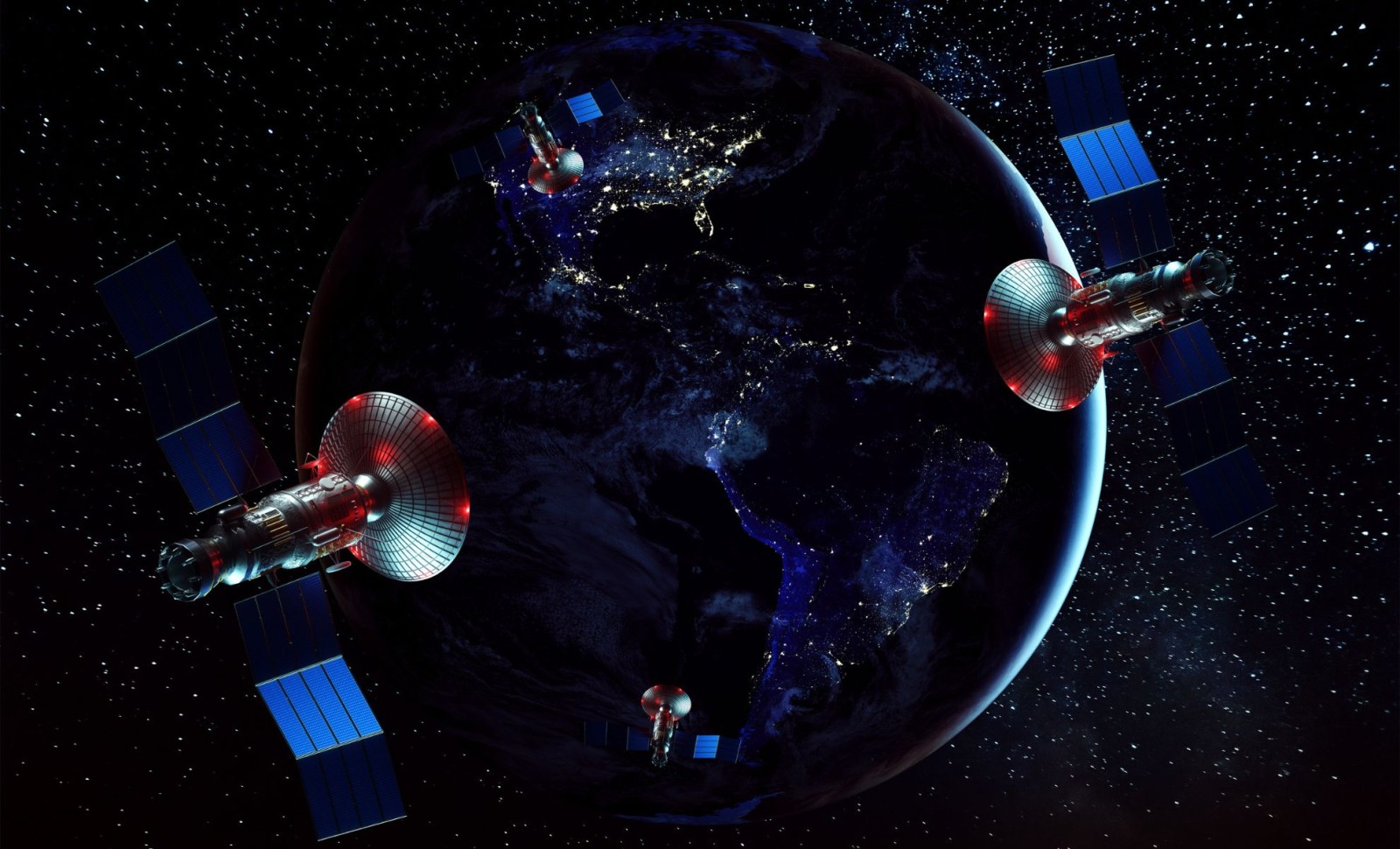
SpaceX has successfully deployed more than 10,000 Starlink satellites into low Earth orbit, marking an unprecedented achievement in the annals of space exploration. This milestone was reached following two additional Falcon 9 rocket launches over the past Sunday, reinforcing SpaceX's dominance in the satellite internet market.
The rapid pace of deployment distinguishes SpaceX from its competitors. Within just seven years, the company has surpassed what the global space sector managed across the first sixty years of space endeavors. However, this expansion introduces significant challenges that could reshape space utilization and governance.
Since commencing operational launches in 2019, the Starlink initiative has grown into the largest functioning satellite array ever assembled. While its goal is to provide worldwide broadband internet, the project's rapid growth has ignited discussions across multiple industries.

SpaceX Outshines Rival Satellite Networks
According to Futura-Sciences, SpaceX’s Starlink constellation topped 10,000 satellites when the company launched an additional 56 satellites during consecutive missions last weekend. Although not all are currently operational, approximately 8,600 satellites remain active, each expected to function for roughly five years.
This scale dwarfs competitors worldwide. For instance, OneWeb, backed by Eutelsat, maintains a fleet of less than 650 satellites. Meanwhile, Amazon’s Project Kuiper has not exceeded 150 satellites so far. Even China’s prominent programs like Guowang, Qianfan/G60, and Honghu-3 feature relatively modest satellite counts to date.
With fewer than 12,000 operational satellites encircling Earth, Starlink alone accounts for more than two-thirds of all satellites in orbit, a level of control unmatched by any other public or private space entity.
Rising Satellite Numbers Obscure Astronomical Observations
The growing count of Starlink satellites is increasingly interfering with ground-based telescope observations, often producing bright trails in long-exposure images crucial for deep space research.
This disruption poses serious challenges for astronomers studying rare or fleeting cosmic events. Expensive observatories, some costing hundreds of millions of dollars and designed for high-precision imaging, frequently experience data contamination caused by the satellites’ transit. As a result, scientists must often reschedule observations or discard compromised data sets.
This ongoing impact on scientific research infrastructure has sparked calls for more coordinated industry measures. Currently, astronomers bear the primary responsibility of adapting their techniques to an increasingly congested orbital environment.
SpaceX has now launched more than 10,000 Starlink satellites to date, enabling reliable high-speed internet for millions of people all around the world 🛰️🌎❤️ https://t.co/RDBIjiGcrK
— Starlink (@Starlink) October 19, 2025
Growing Risks of Space Debris and Atmospheric Impact
The environmental effects of Starlink’s extensive satellite network are attracting increasing scrutiny. Each satellite is engineered to deorbit and burn in the atmosphere at end-of-life, releasing metallic particles such as aluminum into the upper atmosphere, particularly within the mesosphere.
Research indicates that these released metals might be influencing atmospheric chemical reactions, though the full consequences remain unclear. Scientists suspect that metallic oxides in high-altitude layers could be impacting climate processes, but comprehensive data is still lacking. Unlike pollutants on Earth, these atmospheric contaminants cannot be mitigated once dispersed.
Meanwhile, the heightened density of satellites significantly raises the probability of in-orbit collisions. Such impacts not only destroy active assets but also generate space debris, which can trigger a hazardous chain reaction known as the Kessler syndrome. This cascade effect threatens to limit future access to valuable orbital pathways.
While SpaceX has avoided major incidents thus far, the absence of comprehensive international regulations for satellite traffic intensifies the urgency for establishing cooperative management and responsibility frameworks.
- Categories:
- News













0 comments
Sign in to Comment