
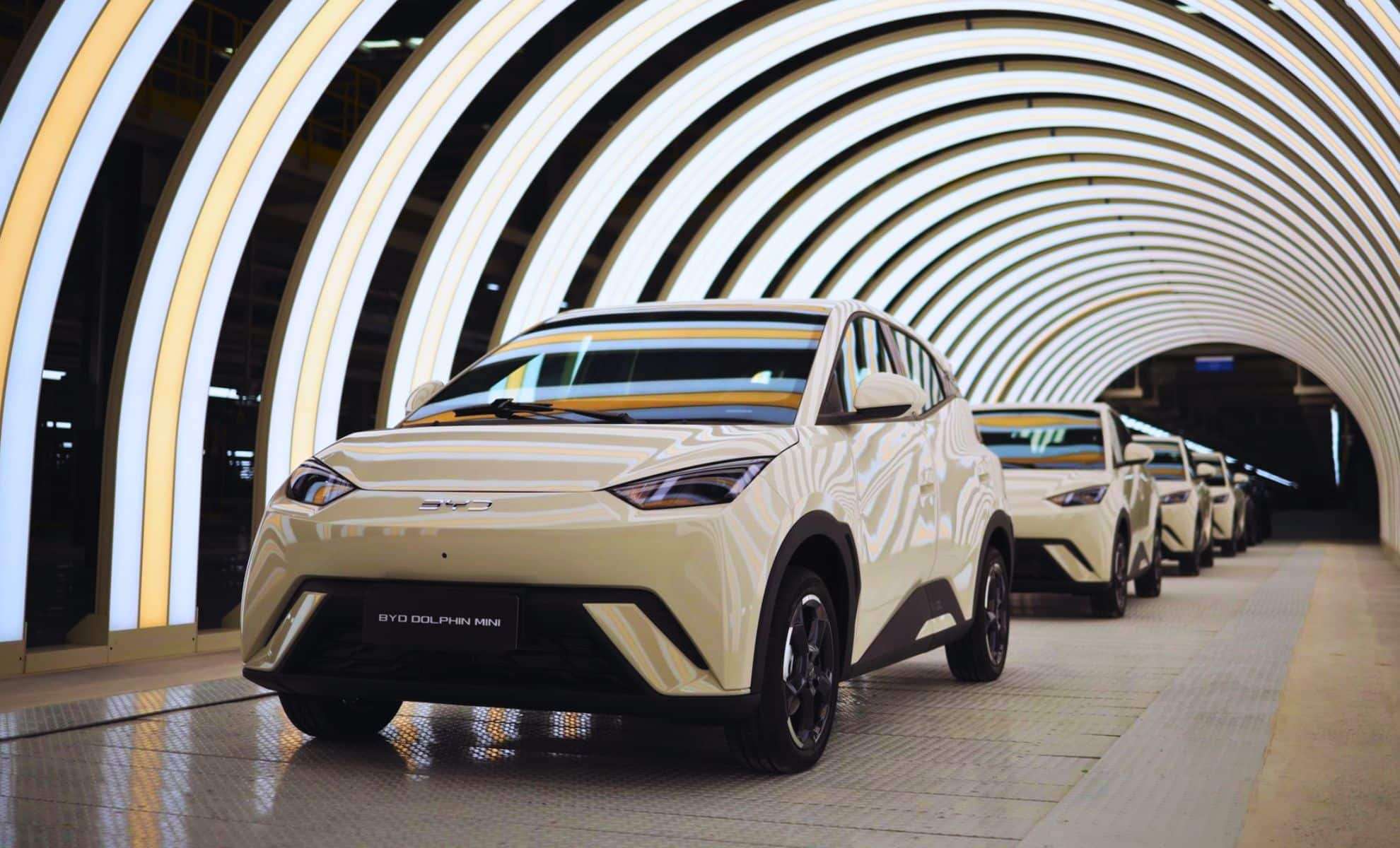
The electric vehicle sector has witnessed a significant transformation as Chinese manufacturer BYD overtakes American giant Tesla in worldwide vehicle deliveries. This development highlights a pivotal moment in the industry, where Tesla's once dominant position is now challenged by BYD's rapid growth.
Remarkable Expansion for BYD in Q2 2025
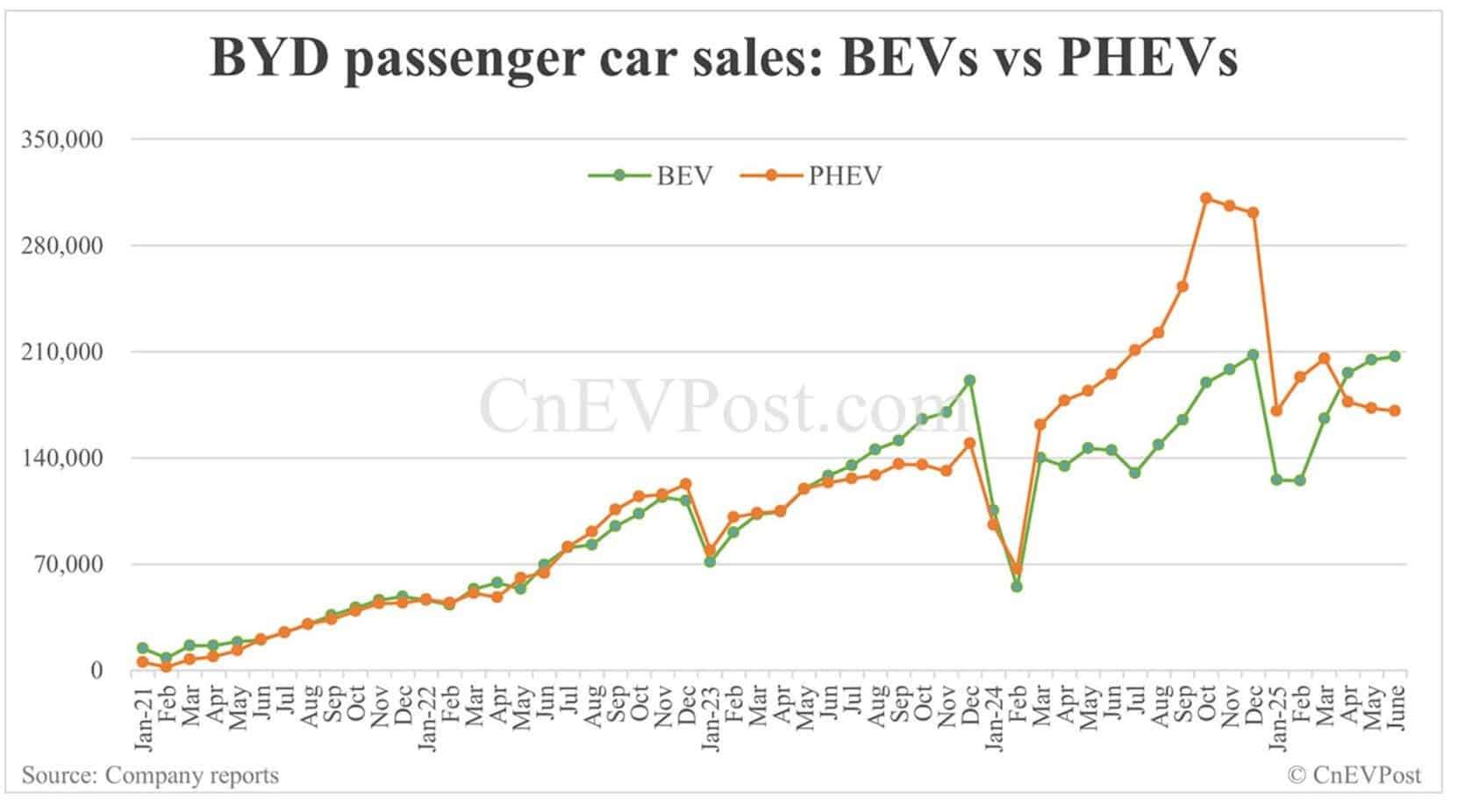
During the second quarter of 2025, BYD achieved a staggering delivery count of 606,993 electric vehicles, representing a 42.5% increase over the same time in 2024. This robust growth underscores BYD’s expanding influence in a fiercely competitive marketplace. For the first half of the year, BYD's total deliveries surpassed one million units — specifically 1,023,381 vehicles, easily outpacing Tesla's 720,809 deliveries, according to CNEVPost.
BYD’s impressive results stand out even as the global electric vehicle market slows down. By diversifying its lineup and adopting an aggressive growth approach, the company has secured an influential foothold. With 464,266 cars shipped internationally—more than doubling its export numbers compared to 2024—BYD leverages both its strong domestic demand in China and a burgeoning global reach.

Tesla Faces Growing Obstacles
Conversely, Tesla has encountered difficulties maintaining its earlier dominance. In Q2 2025, Tesla's vehicle deliveries dropped to 384,122, reflecting a 13.5% decrease year-over-year. This setback followed a weak performance in the first quarter as well. Although Tesla plans to revitalize its lineup with an updated Model Y and additional electric models, it has struggled to regain momentum.
Elon Musk attributes the downward trend to short-term factors such as market volatility and supply chain disruptions. Yet, the ongoing steady rise of BYD suggests a more enduring shift in the competitive landscape, with Tesla now trailing significantly behind.
Transforming the Global Electric Vehicle Arena
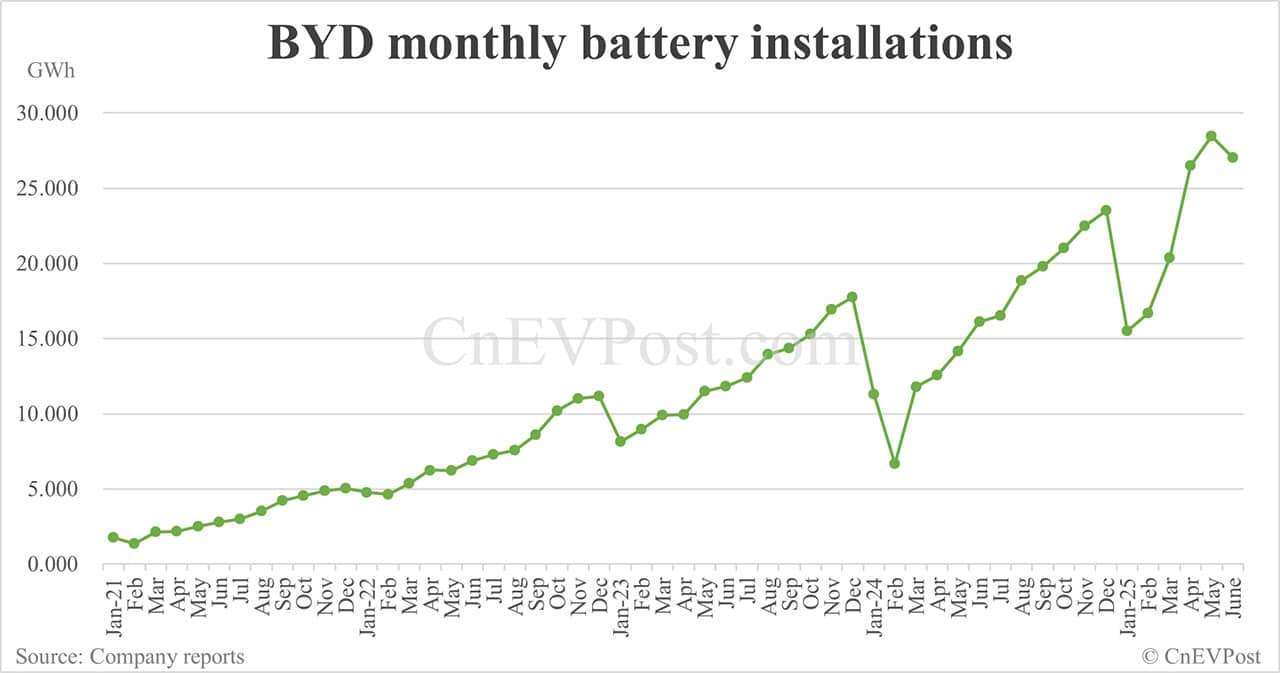
BYD's ascent represents a considerable shift in the electric vehicle sector. Unlike Tesla’s focus on premium market segments, BYD has optimized production to offer a broad range of cost-effective electric cars suited for various consumer bases. Its vertical integration approach, manufacturing essential components like batteries and motors internally, has given BYD a strategic advantage, ensuring consistent output without overreliance on third-party suppliers.
Delays in launching models such as the eagerly awaited Cybercab, combined with Tesla’s concentration on high-priced vehicles, have created openings for BYD to capture the broader market. As BYD expands beyond China's borders, its influence is set to grow, especially in emerging economies where affordable electric vehicles are experiencing rising demand.
- Categories:
- News













0 comments
Sign in to Comment