
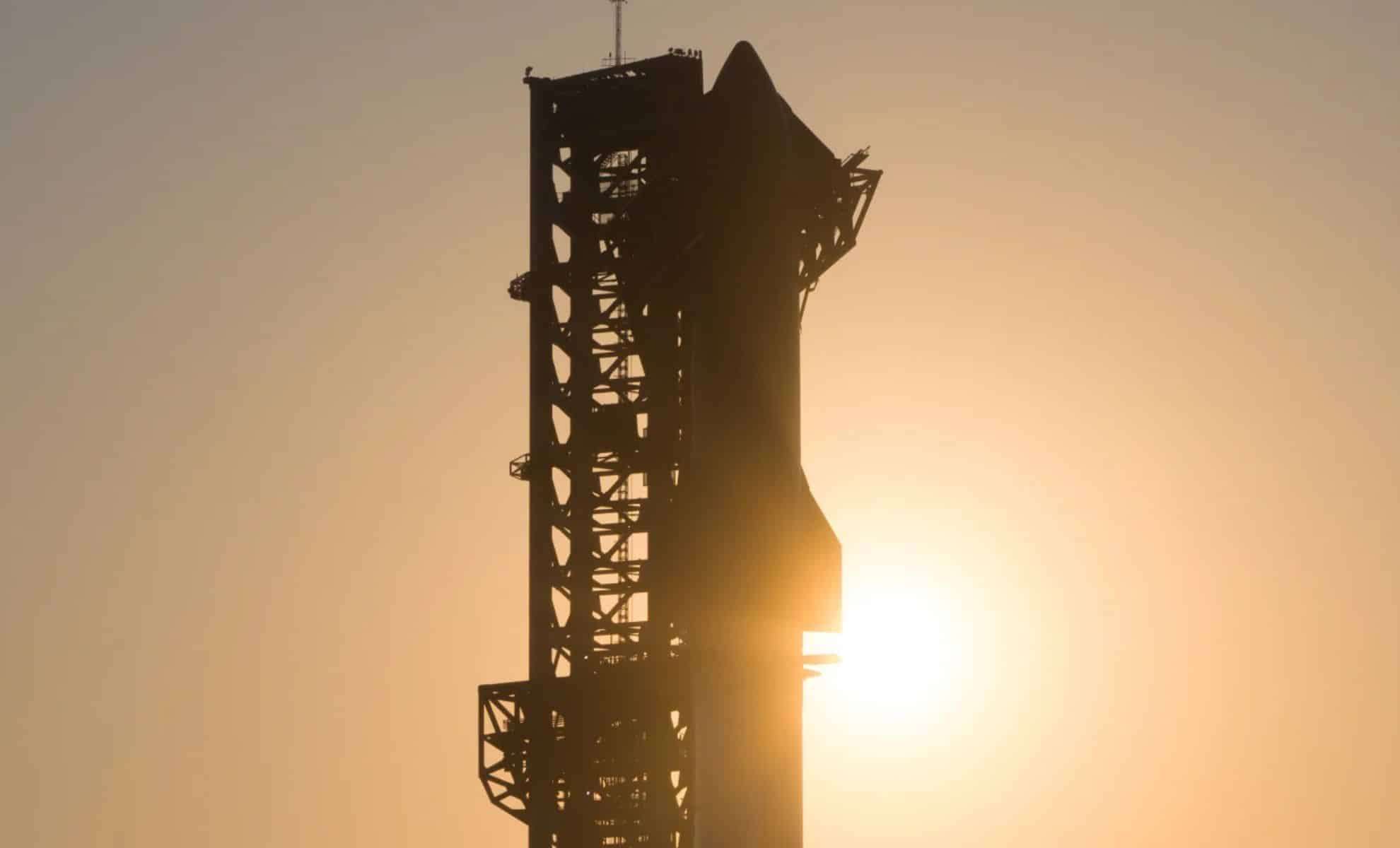
SpaceX is preparing to launch its fifth Integrated Flight Test (IFT-5) of the Starship rocket, potentially scheduled for Sunday, October 13, 2024, pending final clearance from regulatory authorities. Following extensive preparations and licensing delays from the Federal Aviation Administration (FAA), recent updates indicate that this highly anticipated mission might soon receive the go-ahead. This test is a pivotal milestone in Elon Musk’s quest to develop a fully reusable spacecraft designed to transport humans to destinations like the Moon, Mars, and beyond.
FAA Licensing Challenges and Recent Advances
SpaceX has been poised to conduct the IFT-5 since August, yet regulatory clearance, particularly the launch permit from the FAA, has caused repeated postponements. The FAA’s licensing procedure involves consultations with partner agencies such as the U.S. Fish and Wildlife Service, with environmental concerns being a major point of contention. SpaceX has publicly criticized the FAA for what it considers excessive environmental scrutiny that has prolonged the approval process. Last month, the FAA warned that a license might not be granted until late November, leading to frustrations from SpaceX officials.
New indications reveal that the review process may be accelerating. Insiders suggest the FAA is moving more swiftly, raising SpaceX’s hopes for a launch as early as October 13 contingent on meeting all licensing requirements. Nonetheless, SpaceX acknowledges potential for further delays if unforeseen complications arise. Meanwhile, the FAA maintains a cautious stance, stating, “the FAA will make a licensing determination once SpaceX has met all licensing requirements.”

The Starship project is crucial to SpaceX and NASA’s upcoming missions, and the regulatory delays have become a significant source of tension. Elon Musk has expressed his displeasure with the slow pace of approvals, urging for streamlined regulatory frameworks to foster faster innovation in space exploration.
Key Objectives for Starship’s Fifth Integrated Flight Test
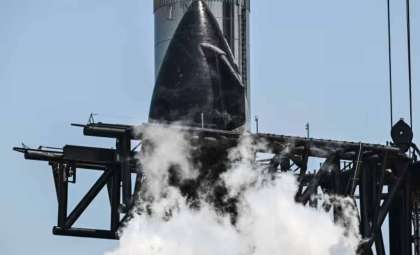
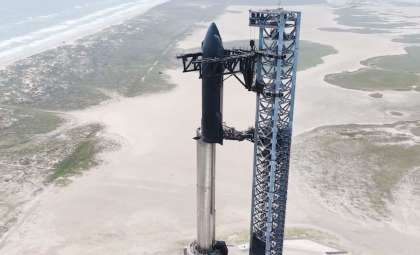
SpaceX’s IFT-5 mission is set to be one of the company’s most ambitious Starship tests to date. The Starship system, comprising a reusable two-stage spacecraft, aims to transport humans and cargo to far-reaching space locations including the Moon and Mars. The test will involve both launching the Super Heavy booster and the Starship vehicle, along with attempting complex new flight maneuvers essential for future missions.
One of the critical goals is to achieve the inaugural successful Super Heavy booster return and catch at the Texas launch site. After detaching from the Starship upper stage, the 232-foot-tall booster will attempt to fly back and be caught mid-air by two “chopstick” arms on the launch tower—a daring feat in rocket recovery. Success would be a monumental step toward making Starship fully reusable. SpaceX has acknowledged the complexity, noting thousands of criteria must be met before attempting the catch, which will only proceed if conditions are perfect.
Once separated, Starship’s upper stage is planned to reenter Earth’s atmosphere and splash down in the Indian Ocean. This phase will generate critical insights into the spacecraft’s upgraded thermal protection system, enhancing knowledge on its resilience during reentry.
SpaceX engineers have dedicated over 12,000 hours refining Starship’s heat shield to endure severe reentry conditions. Improvements include a new suite of thermal protection tiles, a supplemental ablative layer, and reinforced flap structures. These upgrades aim to improve Starship’s durability and facilitate a safer, softer landing at the designated splashdown zone.
Why the IFT-5 Test Matters for SpaceX’s Space Exploration Goals
More than a routine evaluation, the IFT-5 flight is a crucial progression in SpaceX’s expansive ambitions to transform space travel. The Starship system is integral to SpaceX’s vision for Mars colonization and serves as a key component in NASA’s Artemis program, which plans to return astronauts to the Moon and build a lasting human presence there by decade’s end.
SpaceX has secured a substantial contract with NASA to deploy Starship as a crewed lunar lander for upcoming Artemis missions. How well the spacecraft performs during IFT-5 will strongly influence its readiness for these missions. Elon Musk reiterates that creating a fully reusable rocket system is critical to reducing space mission costs and enabling ambitious interplanetary ventures.
In the best-case scenario, IFT-5 will showcase Starship’s launch capabilities, booster recovery, and successful atmospheric reentry. This test is key to refining the spacecraft’s design and guiding future crewed flights. Musk envisions uncrewed Mars test flights by 2026 and crewed journeys to Mars as soon as 2028. These targets depend heavily on victories in test campaigns like IFT-5.
Future Prospects for Starship and Space Exploration
The Starship program signifies the forefront of space innovation, with the outcome of IFT-5 being keenly observed across the aerospace community. A successful booster catch, splashdown, and full mission execution would mark a monumental achievement for reusable spacecraft technology. This capability could drastically cut mission costs and enable widespread exploration of the Moon, Mars, and beyond.
Despite the excitement, the schedule hinges on regulatory approval and the flawless performance of increasingly challenging test flights. The FAA’s final decision will determine whether IFT-5 launches this Sunday or faces further postponements. While SpaceX remains hopeful, no guarantees exist for an on-time test. Each flight pushes the boundaries of current technology, offering vital lessons to pave the way for transporting humans to Mars.
As the space sector advances, SpaceX’s Starship program leads the drive toward reusable and sustainable space journeys. Each test flight brings us closer to turning Elon Musk’s dream of multi-planetary human civilization into reality.






0 comments
Sign in to Comment