
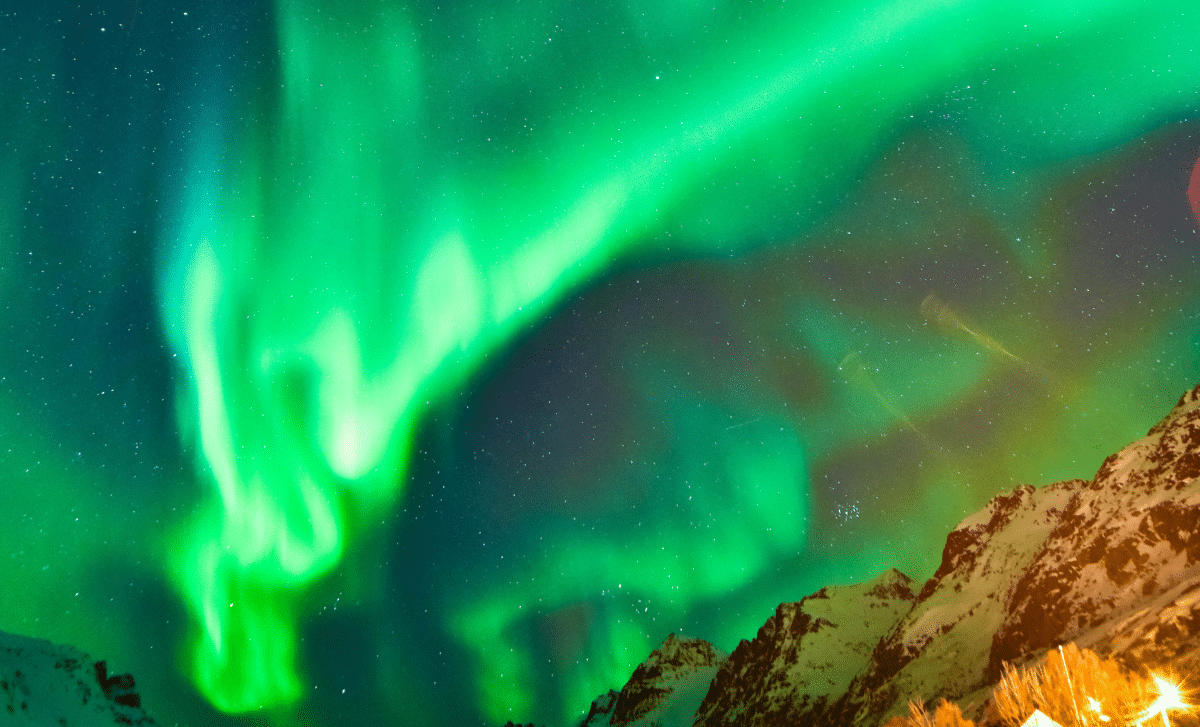
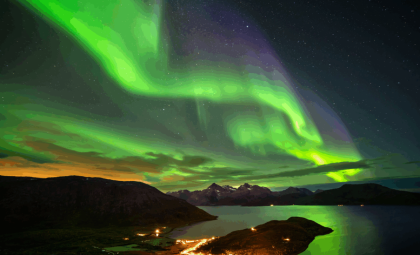
A significant geomagnetic disturbance caused by a strong solar flare may bring the Northern Lights down to states like Illinois, Oregon, and Pennsylvania, according to the National Oceanic and Atmospheric Administration (NOAA). The agency has raised its space weather warning to a G4 "severe" classification, predicting that the aurora could be visible in the skies of 24 states on the night of January 19–20, 2026.
NOAA Elevates Space Weather Warning to Severe
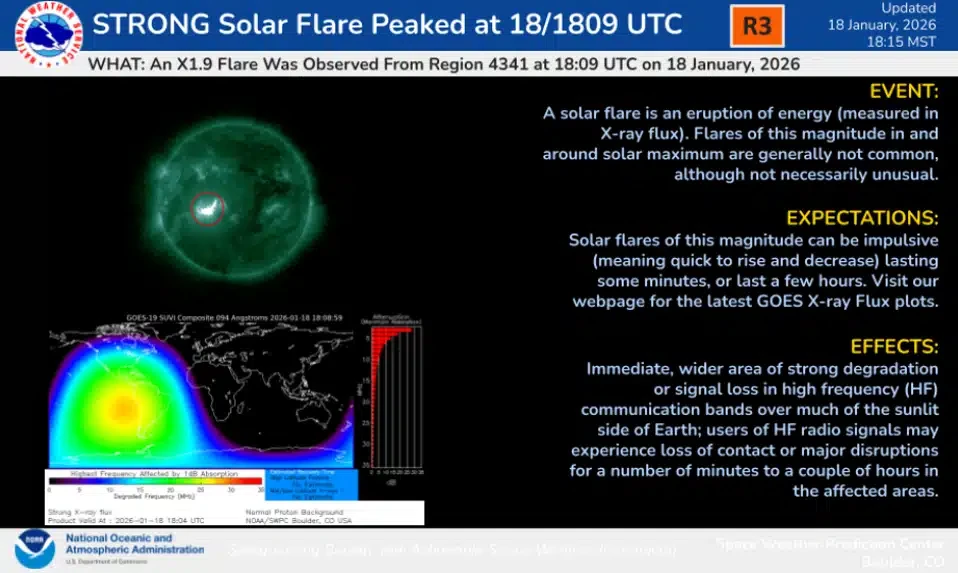
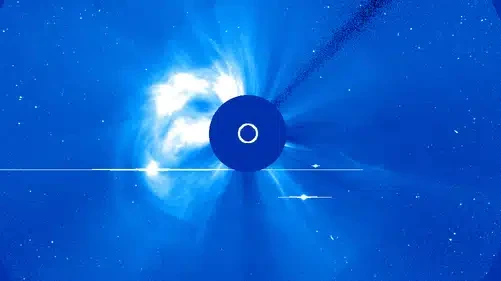
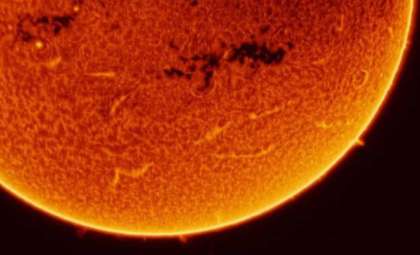
The NOAA Space Weather Prediction Center reported that on January 18, the Sun unleashed a "full halo" coronal mass ejection (CME), a vast expulsion of charged particles aimed directly at Earth, following an intense X1.9-class solar flare. This CME is forecasted to impact Earth's magnetosphere, potentially igniting geomagnetic activity strong enough to push the auroral zones much farther south than usual.
NOAA models predict a Kp index reaching as high as 8, signifying intense geomagnetic storm conditions on their nine-level scale. Such a storm could expand the visibility of the aurora borealis across much of the northern United States, covering regions from Maine and Minnesota to Indiana and Oregon. With clear, dark skies, residents in 24 states might witness this breathtaking natural display late Monday through early Tuesday.

Scientists emphasize that the timing of the event is important. The strength of the storm hinges on the orientation of the interplanetary magnetic field, especially the Bz component. When this field aligns southward, it interacts more efficiently with Earth’s magnetic shield, enabling charged solar particles to spark vivid auroras.
The Science of the Northern Lights
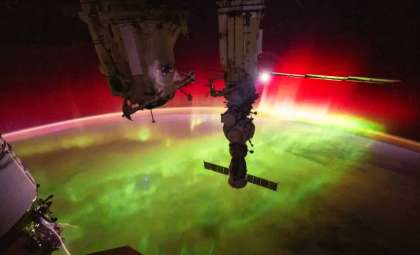
The aurora borealis is caused by charged particles carried by the solar wind colliding with atoms of oxygen and nitrogen in Earth's upper atmosphere. These collisions excite the atmospheric gases, prompting them to emit light that appears as flowing curtains or waves of color in the night sky.
Oxygen atoms typically emit green and red colors, while nitrogen contributes purple or blue shades, depending on altitude and energy levels of the interactions.
The solar cycle, which peaks approximately every 11 years, has recently passed its solar maximum. NOAA cautions that elevated solar activity often persists for some time afterward, meaning frequent and intense auroras could continue through 2026, giving sky enthusiasts numerous chances to capture this spectacular phenomenon.
Best Viewing Locations and Times
According to NOAA’s aurora forecast maps, prime viewing is expected late on Monday, January 19 into the early morning of Tuesday, January 20. Northern U.S. regions, especially those with minimal light pollution, will offer the clearest views. States with the highest likelihood of seeing strong displays include Alaska, Montana, North Dakota, Wisconsin, Michigan, and Maine. Additionally, more central states like Oregon, Iowa, and Pennsylvania may catch dimmer glimmers along the northern horizon.
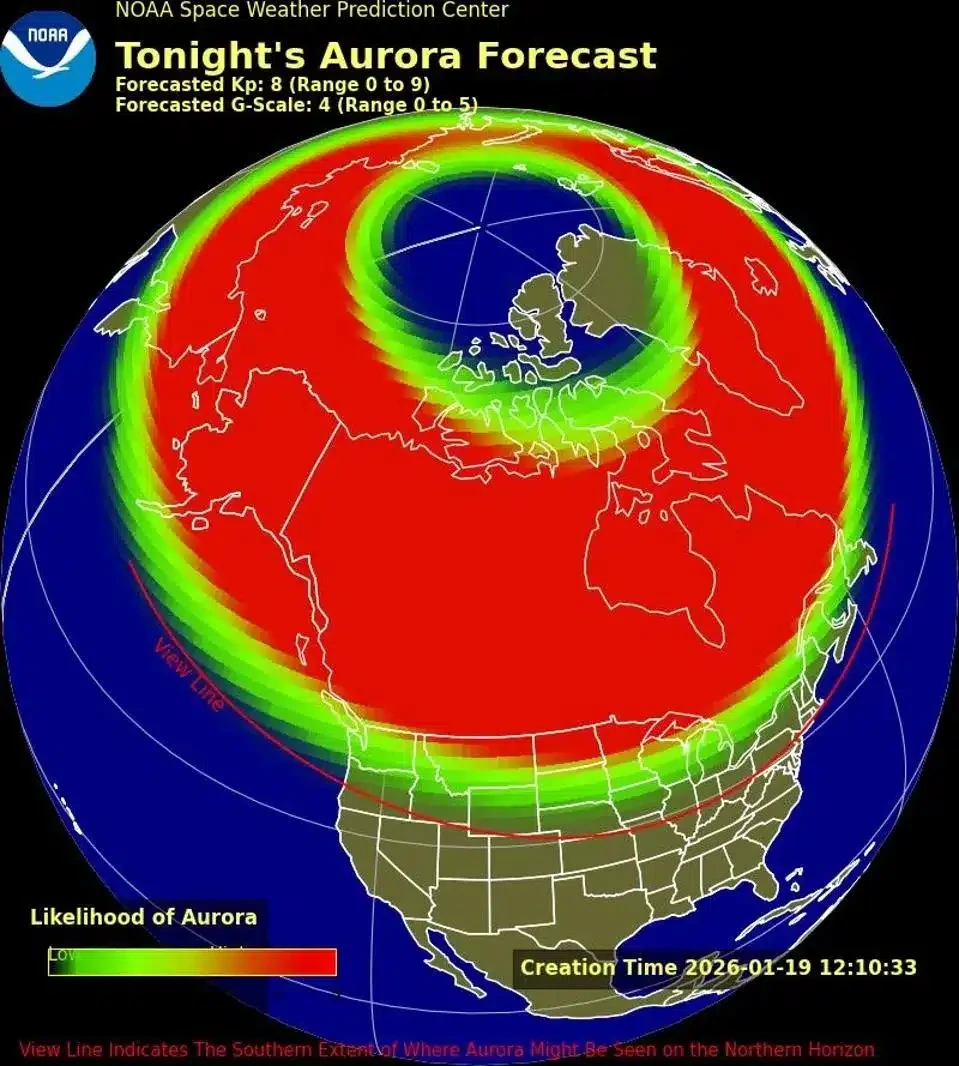
With the event coinciding with a new moon, skies will be especially dark, enhancing aurora visibility. Observers should look toward open spaces away from city lights, with a focus facing north, and remain patient, as the aurora can appear suddenly and fluctuate between faint glows and vibrant, dancing colors.
- Categories:
- Astronomy









0 comments
Sign in to Comment