
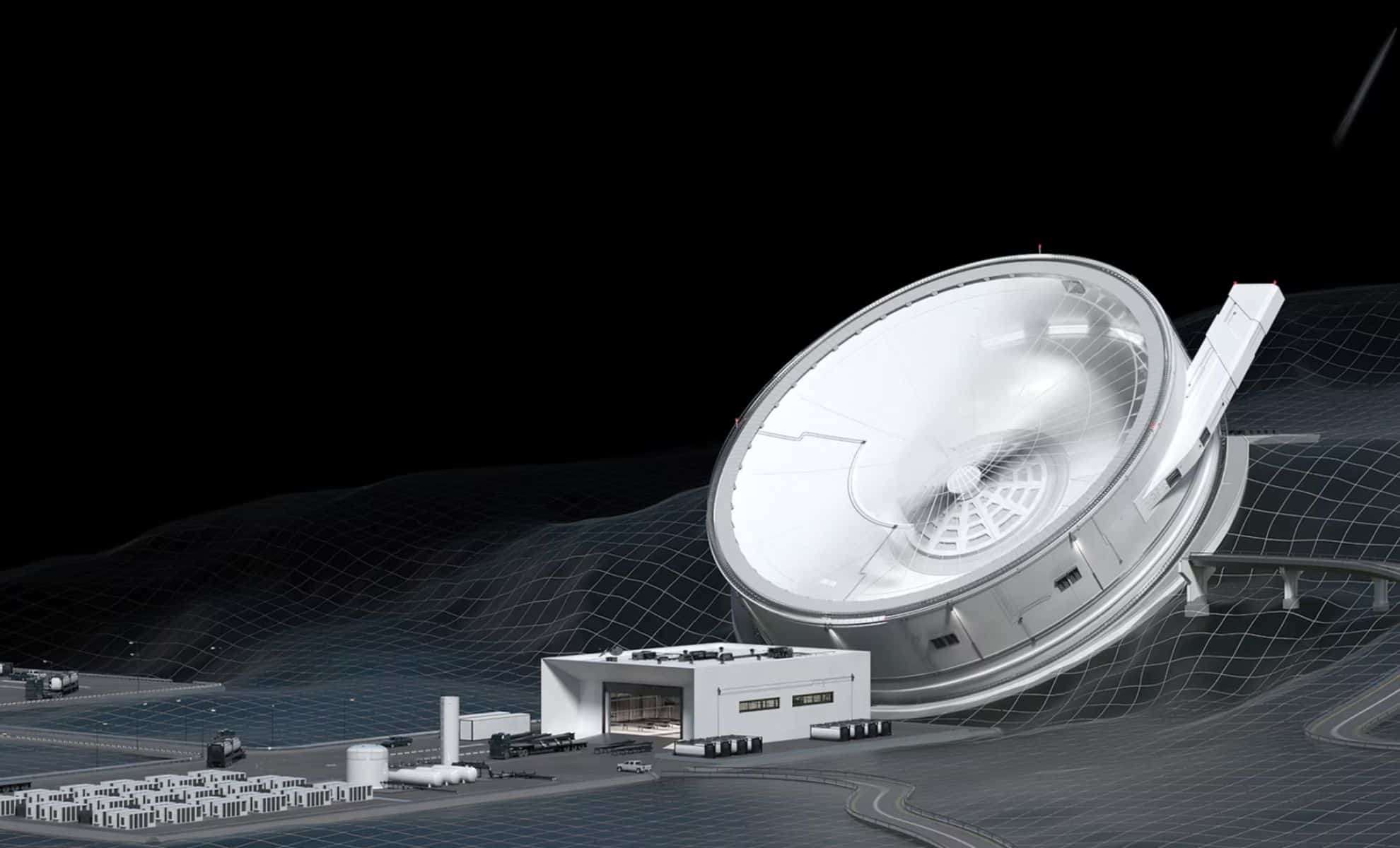
California-based SpinLaunch is transforming satellite deployment by abandoning conventional rocket fuel in favor of a novel kinetic launch method. This innovative approach uses a high-speed rotating arm within a vacuum chamber to accelerate satellites into orbit. Beyond reducing environmental harm, this technique promises a steep decline in launch expenses, marking a major advancement in aerospace technology aimed at fostering sustainable space exploration.
Transforming Satellite Deployment: Propulsion Without Rockets
SpinLaunch’s pioneering system signals a shift in how payloads reach space. Unlike traditional launches that burn vast amounts of fuel, producing significant emissions and costs, this process depends on electric-powered mechanical acceleration. The company’s objective is to make satellite launches both greener and more affordable, reinventing an industry historically reliant on fossil fuels.
Jonathan Yaney, SpinLaunch’s founder and CEO, emphasized the rapid progress: “This is not a rocket. Completing numerous successful tests in just 11 months attests to the strength of our technology.” His statement highlights the company’s confidence in reshaping satellite launches through their unique method.

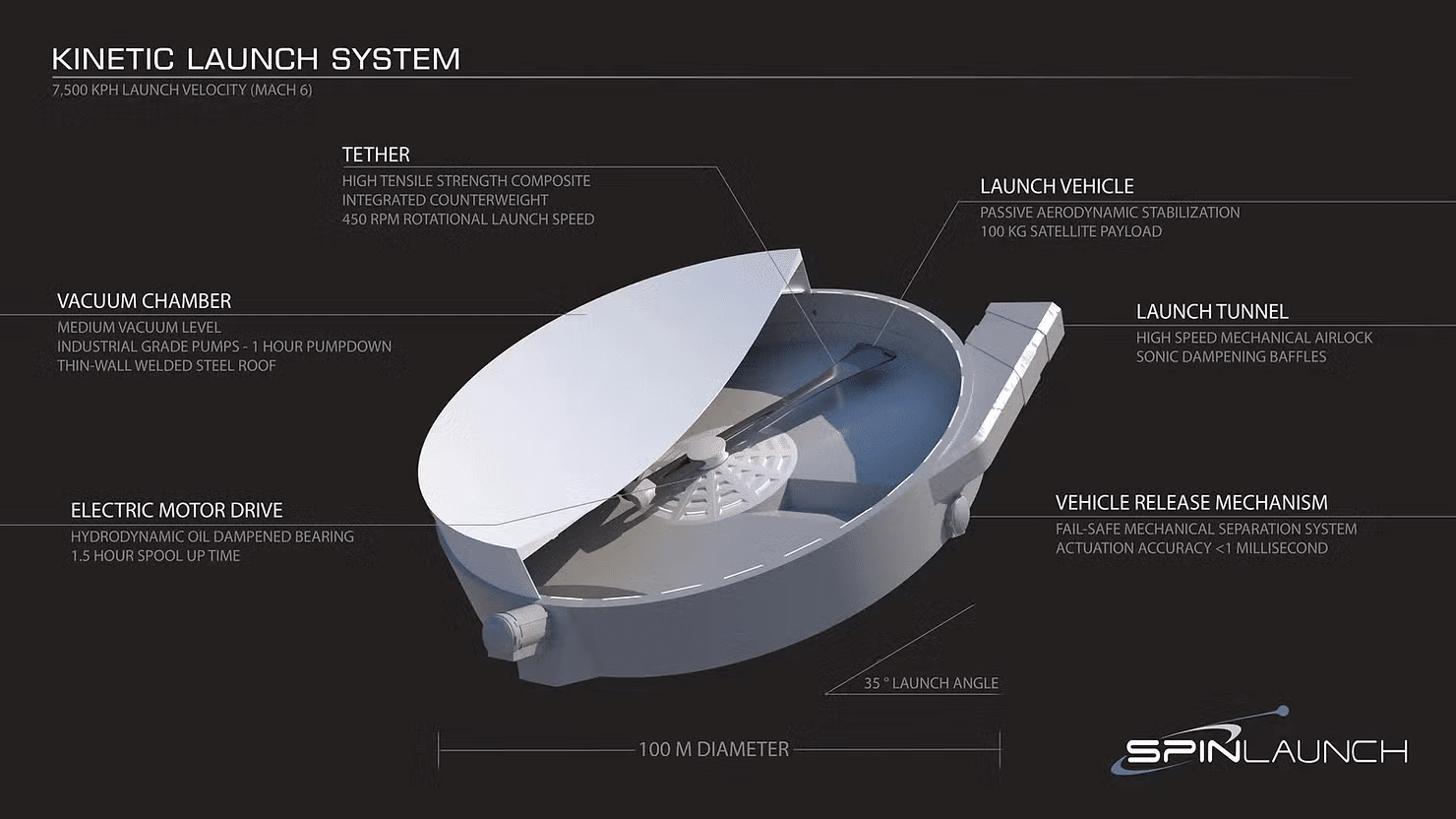
The mechanism involves spinning the satellite at incredible speeds inside a vacuum until it achieves enough kinetic energy to release into low Earth orbit. By sidestepping conventional fuel propulsion, the launch becomes cleaner and more cost-efficient.
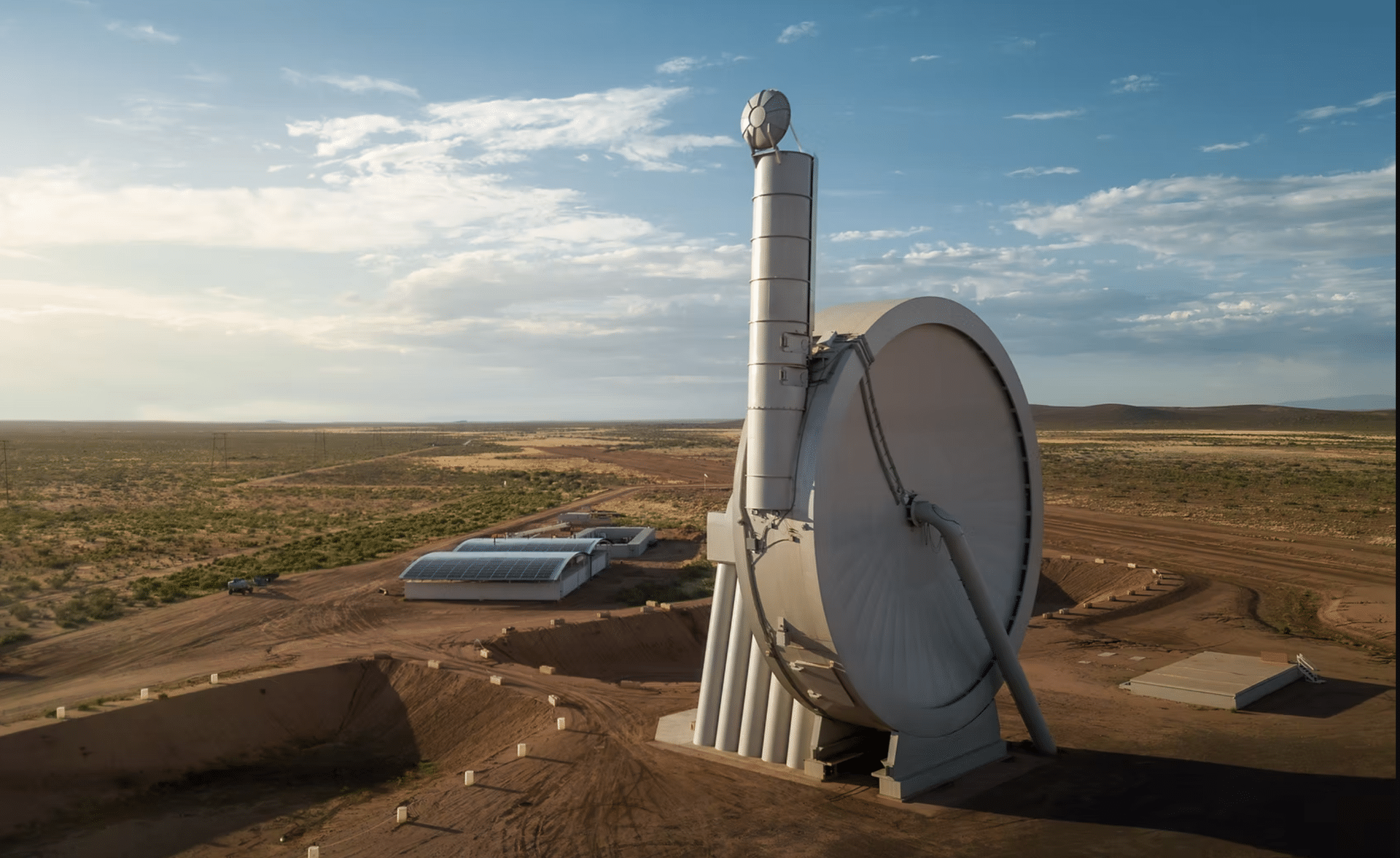
Harnessing Ancient Physics with Cutting-Edge Technology
The principle behind SpinLaunch’s tech draws from foundational physics concepts dating back centuries. Similar to medieval siege machines that flung heavy objects over battlements, this modern system applies the transfer of kinetic energy but enhanced by contemporary engineering, materials, and simulation technologies.
SpinLaunch explains, “Thanks to modern electronics, durable materials, and sophisticated simulations, satellites can now be engineered to endure the stresses of kinetic launches.” The process rapidly accelerates payloads within a controlled vacuum, with advanced materials and compact electronics ensuring integrity despite intense forces.
The use of ultra-strong carbon fiber is crucial, providing resilience without excessive mass, allowing satellites to survive extreme launch dynamics. Such material innovations are key to maintaining payload durability while achieving the necessary high velocities.
A Greener Path Forward: Minimizing Launch Emissions
One of the most significant advantages of SpinLaunch’s method is its substantial environmental benefit. Conventional rockets, including SpaceX’s Falcon 9, consume massive fuel quantities, emitting pollutants that contribute to ozone depletion and atmospheric damage.
By relying on electric energy to power mechanical acceleration, SpinLaunch eliminates harmful exhaust emissions associated with rocket launches. This represents a major step toward eco-friendly space access, complementing growing global efforts to reduce environmental footprints.
Having completed numerous rigorous tests capable of withstanding accelerations as high as 10,000 Gs, SpinLaunch has proven the reliability and robustness of its system. These achievements underscore the technology’s potential to revolutionize satellite deployment while fostering a cleaner, more sustainable future for space travel.
- Categories:
- News











0 comments
Sign in to Comment