
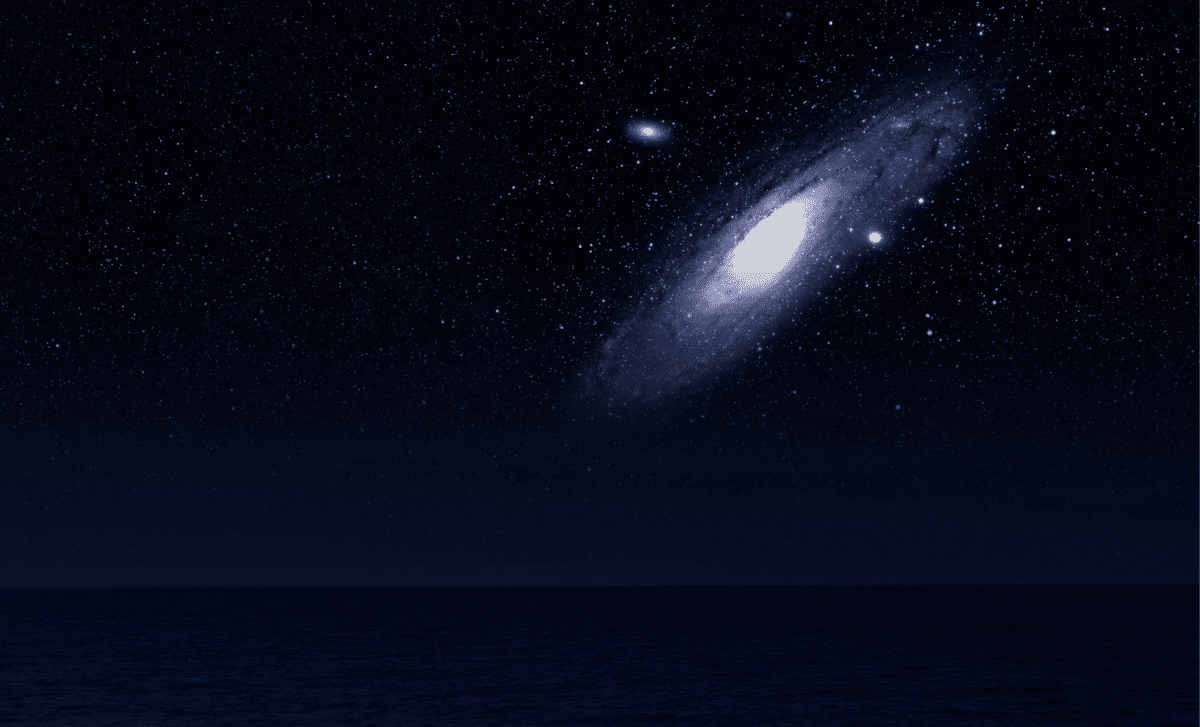
With the arrival of autumn’s cool breeze, October is an excellent month for astronomers and sky enthusiasts to observe the mesmerizing Andromeda Galaxy (M31). As this stellar neighbor to the Milky Way rises higher in the night sky, its ancient glow captivates anyone gazing upward, offering a rare connection to a distant cosmic wonder.
Why October Is Ideal for Observing Andromeda
Though the Andromeda Galaxy remains visible throughout the year, October presents some of the clearest and most accessible viewing conditions. Toward the latter part of the month, Andromeda peaks in the sky near midnight, making it one of the most noticeable celestial sights during autumn evenings. As dawn nears, this galaxy, situated roughly 2.5 million light-years away, shifts toward the northern horizon, providing an awe-inspiring sight for early morning watchers.
This period is especially favorable due to a combination of environmental and cosmic factors. The Earth’s position around the Sun during fall, paired with crisp, clear air, enhances the galaxy’s visibility. Additionally, the hours before sunrise minimize the impact of urban lighting, allowing the gentle light of Andromeda to stand out.

How to Find the Andromeda Galaxy in the Night Sky
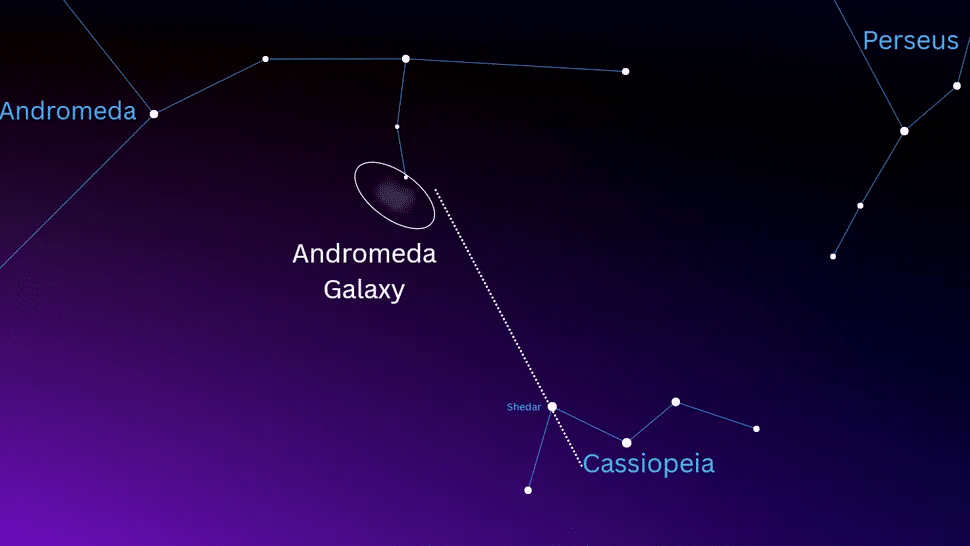
Tracking down the Andromeda Galaxy is simpler than many expect. Begin by locating the constellation Cassiopeia, easily identified by its distinct “W”-shaped pattern high above. This formation acts as a beacon, guiding you toward Andromeda. By following the three stars on the left part of Cassiopeia’s "W," and noting the bright star Shedar, you can pinpoint the faint, oval glow indicative of the galaxy.
Newcomers to stargazing need not be intimidated—the process is as much about discovery as it is observation. While the hazy light of Andromeda can be seen without tools from dark sky areas, using binoculars or a telescope dramatically improves detail visibility. Observers can discern its luminous core and the graceful spiral arms that define this majestic galaxy.
Discovering Andromeda’s Astounding Qualities
Andromeda stands out in the cosmos not just for its spectacular size but for the mysteries it conceals. Spanning approximately 260,000 light-years, its expansive spiral arms contain over a trillion stars. At its core lies a supermassive black hole, a dominant force that influences the galaxy’s dynamic and radiant center.
Despite the vast distance of 2.5 million light-years, Andromeda’s allure is undeniable. Its faint elliptical glow is far more than distant starshine; it is a window into an ancient universe. As noted by Space.com , October is an especially rewarding time to witness this cosmic spectacle.
- Categories:
- News











0 comments
Sign in to Comment