

As the crisp air of autumn sets in, the night sky reveals one of its most stunning features: the Pegasus constellation, known as the winged horse of legend. This visually captivating star arrangement is celebrated both by astronomers and myth enthusiasts alike, carrying stories from ancient civilizations straight to modern stargazers. Familiarizing yourself with Pegasus' stars can deepen your appreciation for the night sky.
Astronomical Anchor: The Great Square
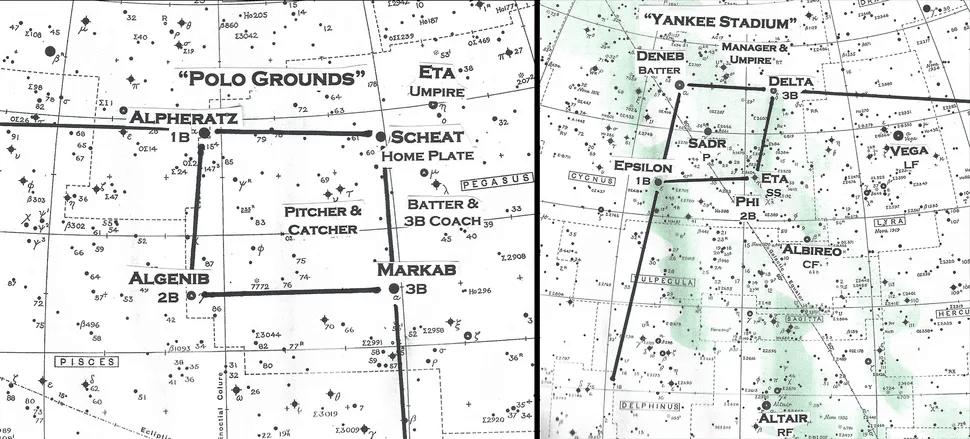
The Great Square of Pegasus stands out as a prominent asterism that forms the core of the Pegasus constellation. Composed of four luminous stars—Alpheratz, Scheat, Algenib, and Markab—this nearly perfect square is simple to locate and an excellent starting point for amateur astronomers. Each star features distinct hues and brightness; Alpheratz gleams with a white light in the upper left corner, while Scheat’s reddish tone in the upper right creates a beautiful visual contrast worth observing.
For novices exploring the sky, the Great Square acts as a reliable spatial reference amidst the vast celestial expanse. From this geometric shape, surrounding constellations become accessible, offering an enchanting panorama of the autumn evening. As noted on Space.com, these stars connect us not only to the universe but also to ancient narratives that have guided human wonder about the cosmos for thousands of years.

The Legend Behind Pegasus
Beyond its place in astronomy, Pegasus holds rich mythological significance. In Greek lore, Pegasus is closely tied to the hero Perseus, famed for using the winged horse to save Andromeda from the monstrous sea creature Cetus. This enduring myth highlights Pegasus’ heroic role in a classic tale of bravery and rescue.
Another gripping myth involving Pegasus centers around the hero Bellerophon. Gifted a golden bridle by the goddess Minerva, Bellerophon successfully tamed Pegasus and rode the horse in defeating the fearsome Chimera—a beast with a lion’s head, goat’s body, and dragon’s tail. Yet, Bellerophon’s pride prompted him to attempt a flight to Mount Olympus, only for Zeus to intervene with a harsh punishment.
Stargazing Advice: Catching a Glimpse of Pegasus
The optimal time to admire Pegasus is late autumn when it ascends prominently in the southern sky. Start by pinpointing the Great Square, which outlines the main body of the winged horse and its wings. Evening hours after sunset are best for observing the gradual appearance of Pegasus’ stars.
Before focusing on Pegasus, try spotting the Summer Triangle in the western sky, a bright set of three stars that can help you orient your view. Shifting your gaze southward will reveal the Great Square, serving as a familiar reference to identify adjacent star patterns.
Utilizing a star chart or a dedicated stargazing app can further assist in locating the precise stars within Pegasus. However, even without tools, the Great Square is bright and distinct enough to be appreciated with the naked eye.
- Categories:
- News











0 comments
Sign in to Comment