
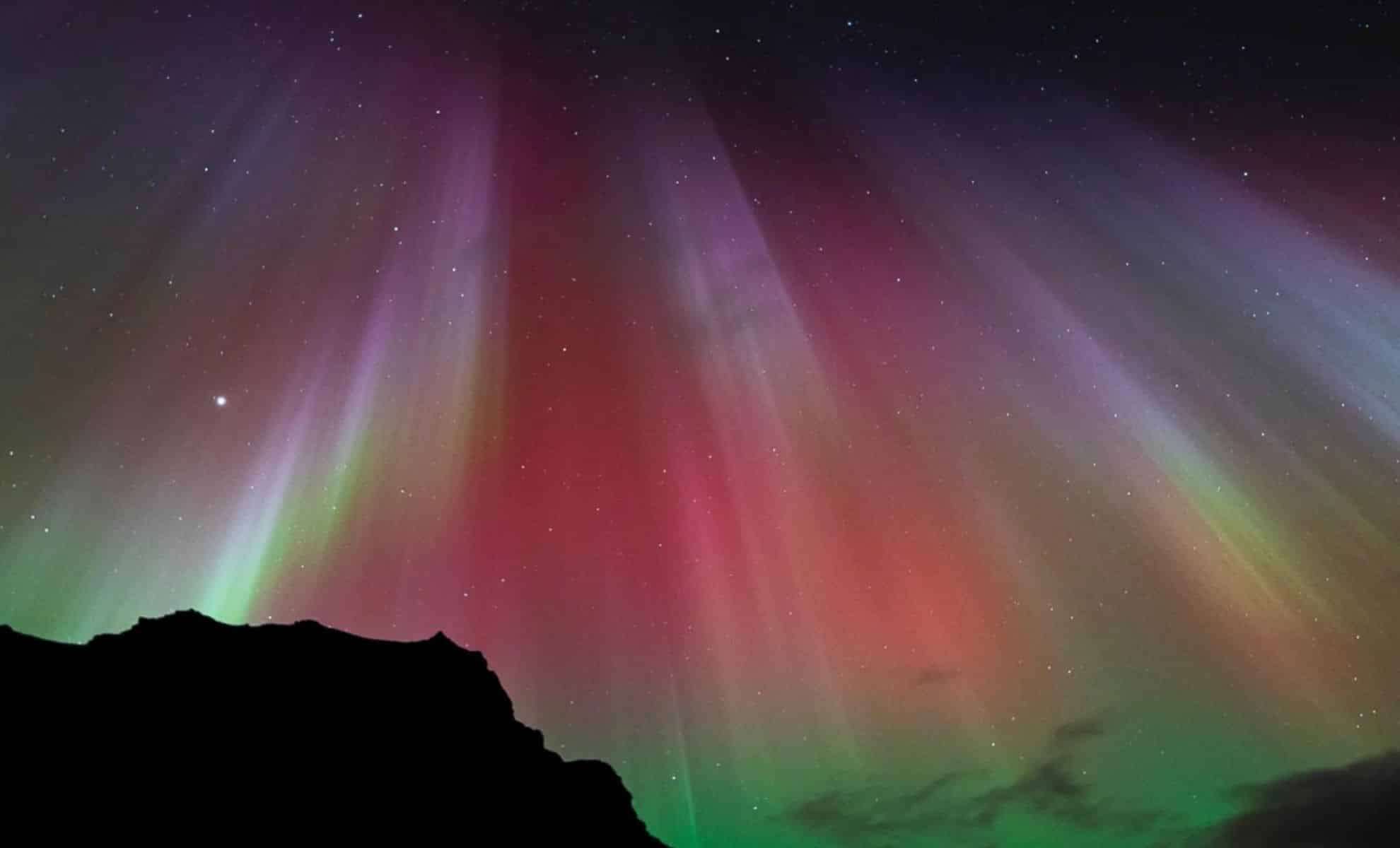
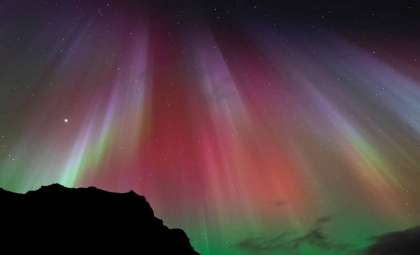
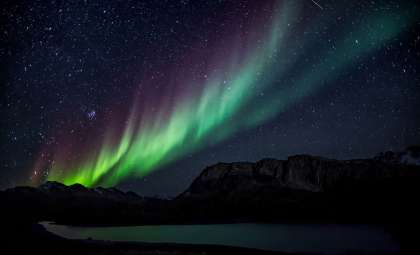
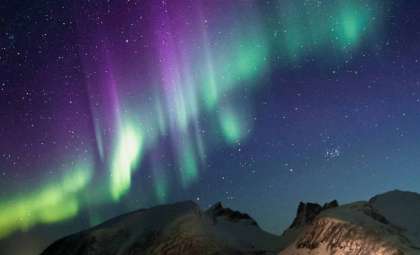
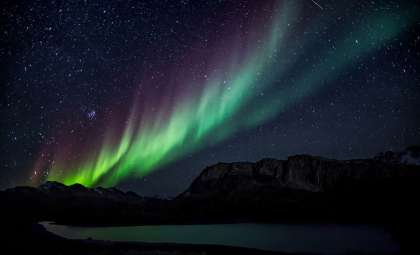
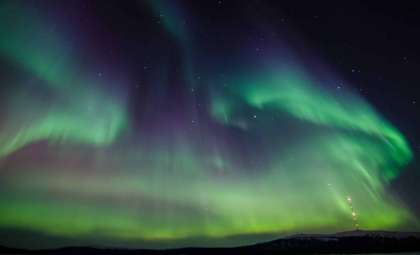
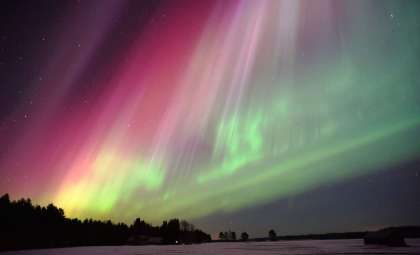
The mesmerizing aurora borealis, more commonly known as the northern lights, is set to grace the night sky on April 8, 2025, over several northern states in the U.S., according to the National Oceanic and Atmospheric Administration’s (NOAA) latest forecast, as highlighted by Forbes. Despite no intense geomagnetic storms anticipated, the display promises to captivate anyone fortunate enough to catch the spectacle.
Prime Zones and Timing to Watch the Northern Lights
The aurora is expected to be visible tonight across regions of Alaska, Canada, and eight northern U.S. states: Washington, Idaho, Montana, North Dakota, Minnesota, Wisconsin, Michigan, and Maine.
To maximize your chances of witnessing the lights, aim for locations farther north. Optimal viewing times fall between 10 p.m. and 2 a.m. local time when darkness is most profound. In the U.S., the glow should be observable as far south as northern Michigan, extending well into northern territories.

The forecasted Kp index, which reflects aurora activity intensity, is set at 3. This indicates a moderate aurora display, ensuring an impressive light show even without geomagnetic storms, especially away from urban lighting.
Solar Influences and Upcoming Auroral Events
The frequency of northern light occurrences this year is boosted by the solar cycle’s maximum phase. During this peak, solar flares and geomagnetic disturbances increase, intensifying auroral activity. Charged solar particles collide with Earth's magnetosphere, producing the vivid aurora borealis we enjoy.
Solar maximum marks a period of escalated solar activity within the 11-year cycle, characterized by heightened sunspot and flare activity. When these energetic particles reach Earth, they can cause geomagnetic storms responsible for dramatic aurora displays, explaining the frequent southern visibility shifts and brilliance observed in 2025.
- Categories:
- News



0 comments
Sign in to Comment