
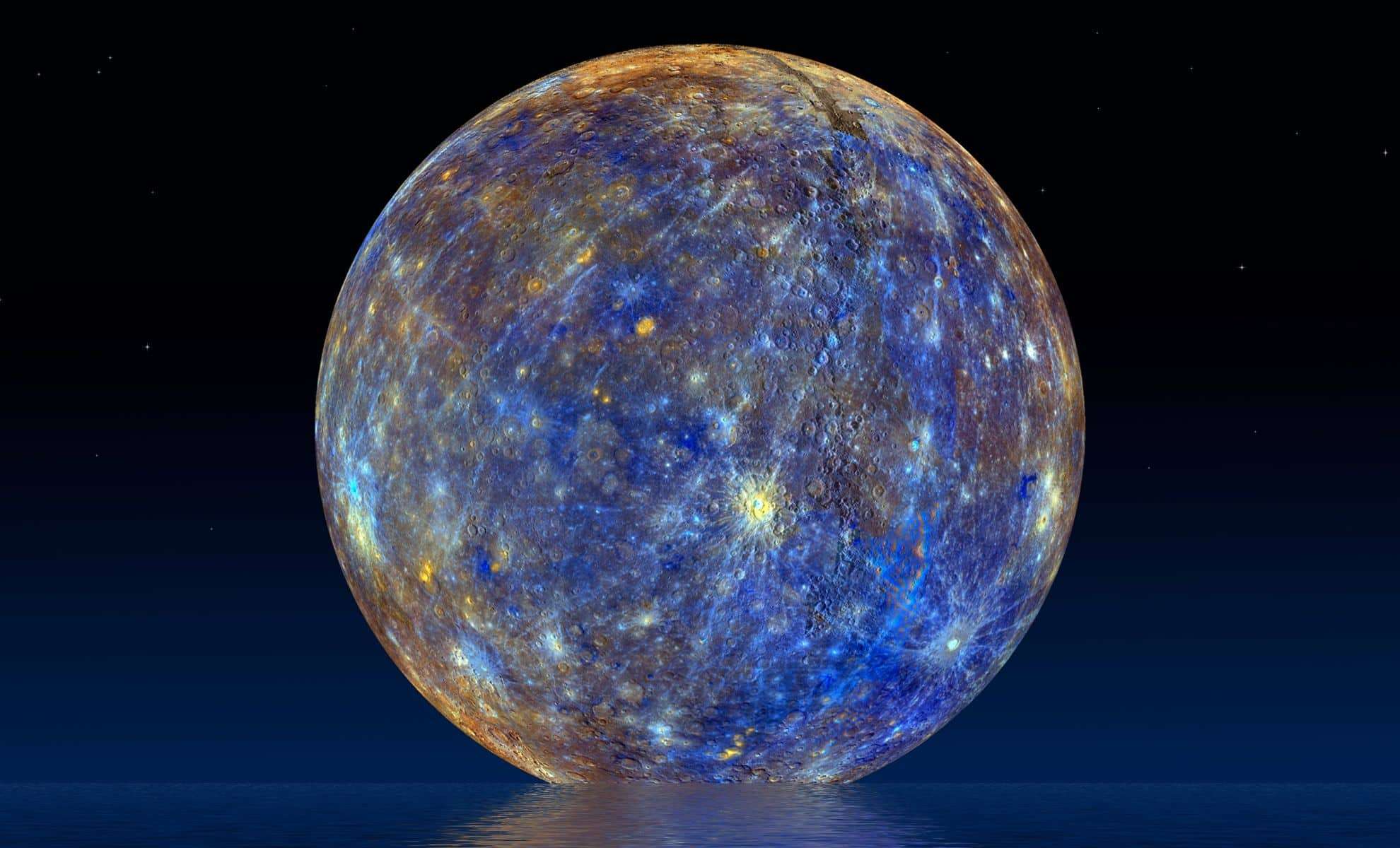
On the evening of July 4, 2025, Mercury will reach its peak eastern elongation, placing it at its furthest angular distance from the Sun in the night sky. This moment presents an excellent chance to observe the elusive planet glowing prominently just after sunset. In-the-Sky.org notes this will be the premier viewing event for Mercury during its June-July 2025 visibility period, with the planet briefly visible in twilight.
Mercury's close orbit around the Sun generally keeps it close to the Sun’s bright glare, limiting the times it can be seen. At this greatest elongation, however, observers mainly in the U.S. and northern latitudes will have an ideal opportunity to spot Mercury shortly after the sun dips below the horizon.
Defining Greatest Elongation
Greatest elongation is when Mercury appears at its maximum angular separation from the Sun in its orbital path, visible either around sunrise or sunset. For this July event, the planet will be positioned approximately 25 degrees east of the Sun—a prime angle for viewers. Mercury will exhibit a magnitude near 0.4, making it bright enough to be seen without optical equipment under clear skies.

This event enables astronomers and enthusiasts alike to view Mercury—ordinarily hidden in sunlight's glare. The elongation is expected at around 00:37 a.m. EDT on July 4, with Mercury observable low in the western sky following sunset. As it sets a mere 90 minutes later, observers should prepare for a brief but rewarding sighting.
What Makes This Appearance Unique?
Being the innermost planet, Mercury’s orbit keeps it close to the Sun, confining its visibility near the horizon compared to planets like Jupiter or Mars, which appear higher in the night sky. During greatest elongation, Mercury’s distance from the Sun is maximized, producing an unusual opportunity to spot it more easily.
This particular elongation is notable because Mercury will lie within the boundaries of the Cancer constellation, creating an eye-catching backdrop during twilight. From locations such as New York, the planet will be situated about 15 degrees above the horizon—accessible for most casual observers. Urban viewers will benefit from an unobstructed horizon free of buildings or trees for optimal viewing.
How to Best Observe Mercury
Though Mercury’s brightness is sufficient for naked-eye observation, its low placement in the sky can pose challenges. To improve your chances of a clear sighting, choose spots with an expansive view of the western horizon and as little light pollution as possible. Avoid city centers where artificial lights can drown out the subtle glow.
For hobbyists seeking enhanced detail, a telescope like the Celestron NexStar 4SE offers an excellent balance of beginner-friendly use and powerful magnification, ideal for viewing Mercury as well as neighboring celestial bodies like Mars and Regulus. Even a pair of binoculars can enrich the experience, bringing faint details into focus during this fleeting spectacle.
When and Where to Watch
The prime viewing window for Mercury’s greatest elongation occurs shortly after sunset during twilight. In New York, the planet reaches visibility about 15 degrees above the western horizon. Elsewhere, consulting local sunset data and astronomical resources can help identify the optimal viewing times. Mercury will be seen alongside notable celestial objects Mars and Regulus within the evening sky.
Time is limited as Mercury sets less than 90 minutes after sunset, so arriving early at a favorable viewing location is crucial to fully appreciate this rare planetary event.
- Categories:
- News




0 comments
Sign in to Comment