
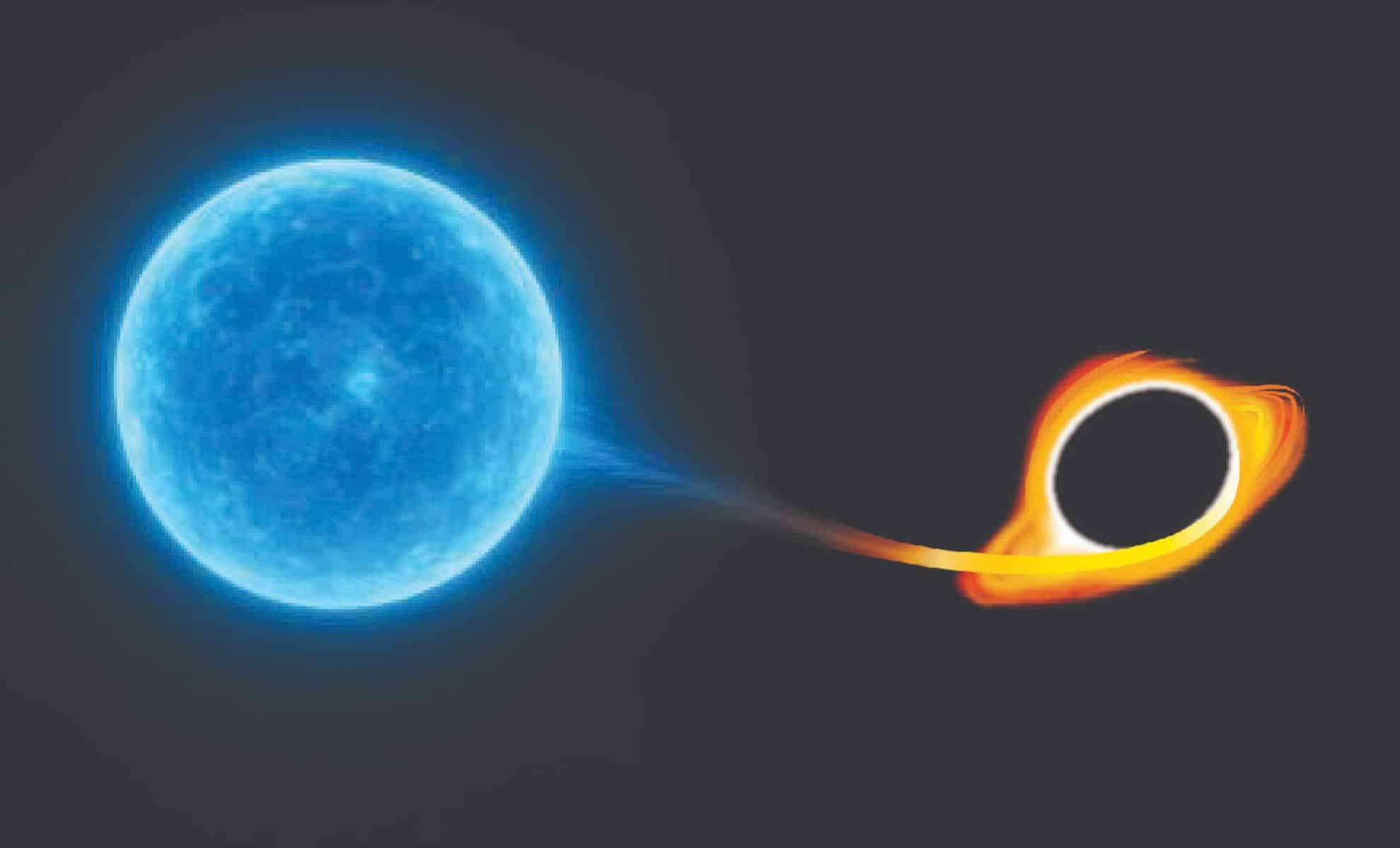
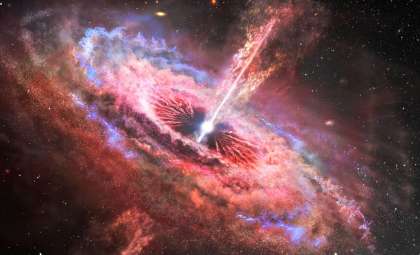
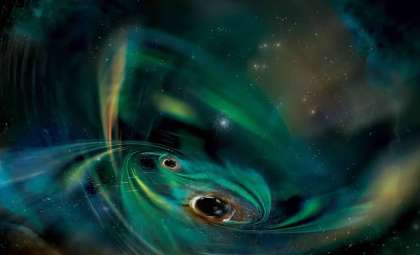
Researchers at the University of Hawaiʻi’s Institute for Astronomy (IfA) have identified an extraordinary new type of cosmic explosion called “extreme nuclear transients” (ENTs). These intense bursts occur when stars, each at least three times the mass of our sun, come dangerously close to supermassive black holes. The star’s destruction unleashes tremendous energy, visible over immense cosmic distances. Published in Science Advances, this breakthrough reveals the most energetic explosions ever detected in the cosmos.
Introducing Extreme Nuclear Transients
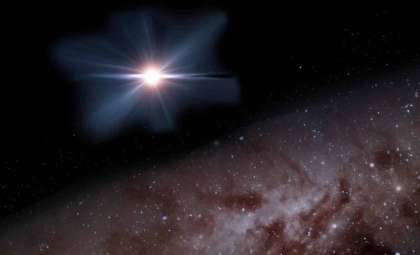
Scientists have long studied tidal disruption events (TDEs), where black holes tear stars apart. Yet, the newly classified extreme nuclear transients surpass these events in both brightness and longevity. The brightest observed ENT, dubbed Gaia18cdj, emitted energy 25 times greater than the strongest known supernovae. Lead author Jason Hinkle stated, “We’ve watched stars being destroyed as tidal disruption events for over ten years, but these ENTs far exceed those in brightness, shining nearly tenfold stronger than usual.” Their luminosity outshines even the most dazzling supernovae, lasting for years instead of weeks or months.
In contrast to standard supernovae, which radiate energy comparable to the sun’s entire lifetime within a single year, ENTs maintain higher intensities over extended durations. This remarkable discovery reveals new facets of stellar destruction and sheds light on the immense forces influencing some of the universe’s most powerful objects, including supermassive black holes.

Unveiling Extreme Nuclear Transients
Jason Hinkle’s examination of publicly available transient surveys led to spotting long-lasting and unusually bright flares originating from galactic centers. Two such flares displayed a gradual increase in brightness that far exceeded typical transient events. “Gaia simply signals a change in brightness but doesn’t specify what it is,” explained Hinkle. “Noticing these smooth, enduring flares in the cores of distant galaxies immediately suggested something extraordinary at work.”
Collaborating with international experts, Hinkle’s team conducted extensive follow-up observations using instruments such as the W. M. Keck Observatory and the Asteroid Terrestrial-impact Last Alert System. Their findings confirmed these ENTs are much more powerful than supernovae and result from a unique process: the accretion of stellar debris by a supermassive black hole. Unlike conventional black hole accretion events marked by irregular brightness fluctuations, ENT flares glow steadily and persistently, indicating a distinct physical mechanism that could deepen our understanding of black hole evolution.
Significance of Extreme Nuclear Transients
The identification of ENTs offers fresh avenues for exploring supermassive black holes and their growth. These prolonged, intense flares provide a rare window into black holes in remote galaxies, often situated in active star-forming zones. “Observing these sustained flares helps us learn about black hole feeding processes when the universe was only half its current age, a time when galaxies were bustling with star formation and black hole activity was ten times higher,” noted Benjamin Shappee, co-investigator of the study.
Although ENTs are exceedingly uncommon, occurring roughly 10 million times less often than supernovae, advancements in observatories like the Vera C. Rubin Observatory and NASA’s Roman Space Telescope promise to enhance detection rates. As additional ENTs are recorded, astronomers will refine models of supermassive black hole growth in the distant universe, offering deeper insights into cosmic history.
- Categories:
- News



0 comments
Sign in to Comment