
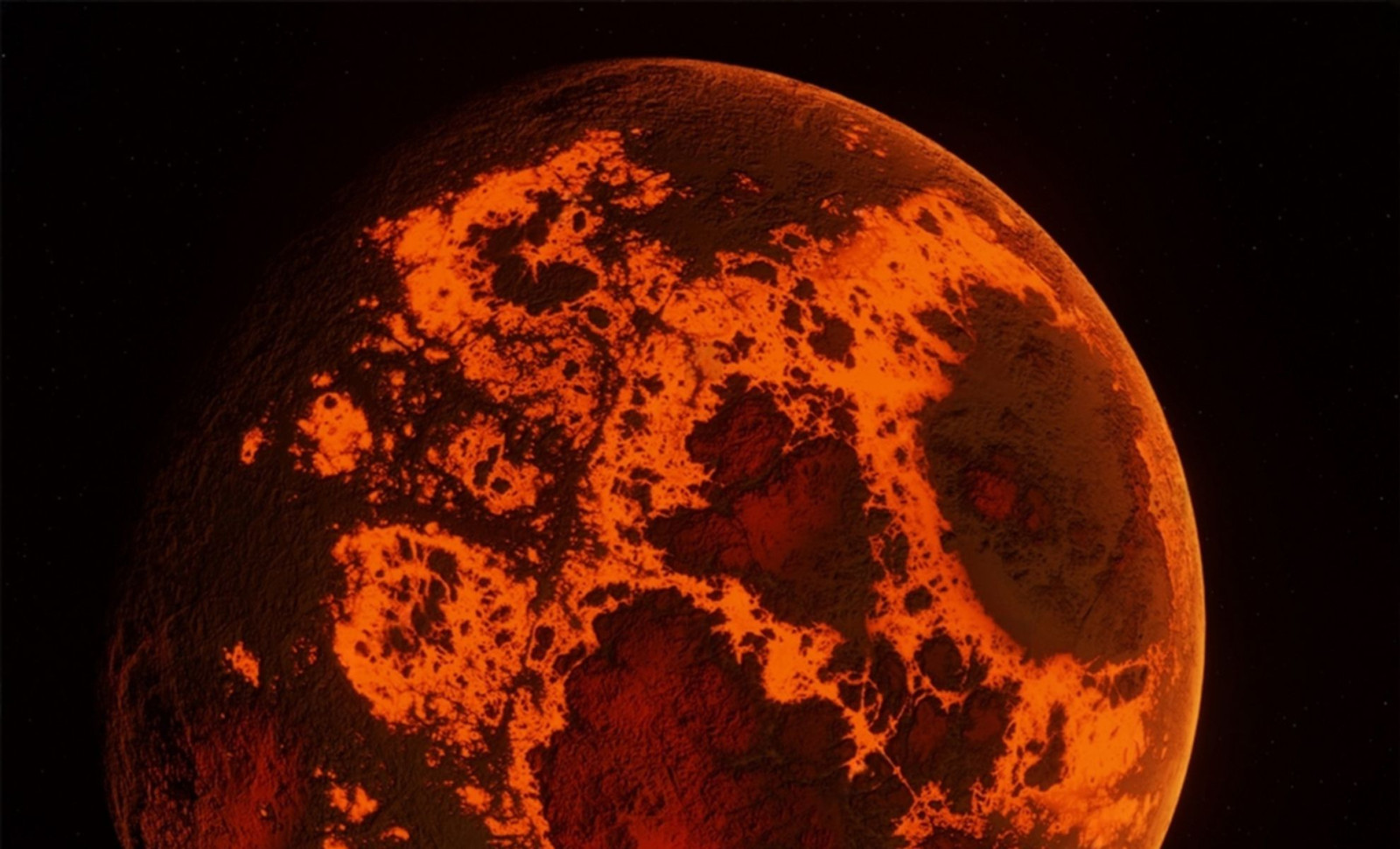
Could life from Earth endure the forbidding conditions of Mars? Cutting-edge research indicates it might, especially if the organism is a resilient composite like a lichen. This intriguing study demonstrates that specific lichens tolerate Mars-like radiation levels, hinting they could be integral to future Red Planet missions.
Mars has fascinated researchers as a possible habitat for life, past or present. Its freezing temperatures, thin atmosphere, and severe radiation make it an incredibly hostile environment.
Lichens: Unique Symbiotic Survivors of Harsh Extremes
Lichens are not single organisms but represent a symbiotic alliance between fungi and photosynthetic algae or bacteria. This partnership equips lichens to thrive in Earth's most punishing habitats, from arid deserts to icy mountain peaks. They exhibit extraordinary toughness, tolerating drought, extreme temperature swings, and even the vacuum of space.


Recently featured in IMA Fungus, a team evaluated two lichen species, Diploschistes muscorum and Cetraria aculeata, exposing them to simulated Martian radiation within a vacuum chamber for a duration equivalent to one Martian year. Impressively, both survived and continued metabolic activity throughout the exposure.
“These findings expand our understanding of biological processes under simulated Martian conditions and reveal how hydrated organisms respond to ionizing radiation,” said Kaja Skubała, one of the researchers, in a statement.
What Makes Lichens Potential Martian Survivors?
The study highlighted the superior radiation resistance of Diploschistes muscorum, which exhibited less cellular damage than Cetraria aculeata, implying that some lichen species could adapt better to Martian conditions. However, survival under radiation does not necessarily equate to flourishing on Mars.
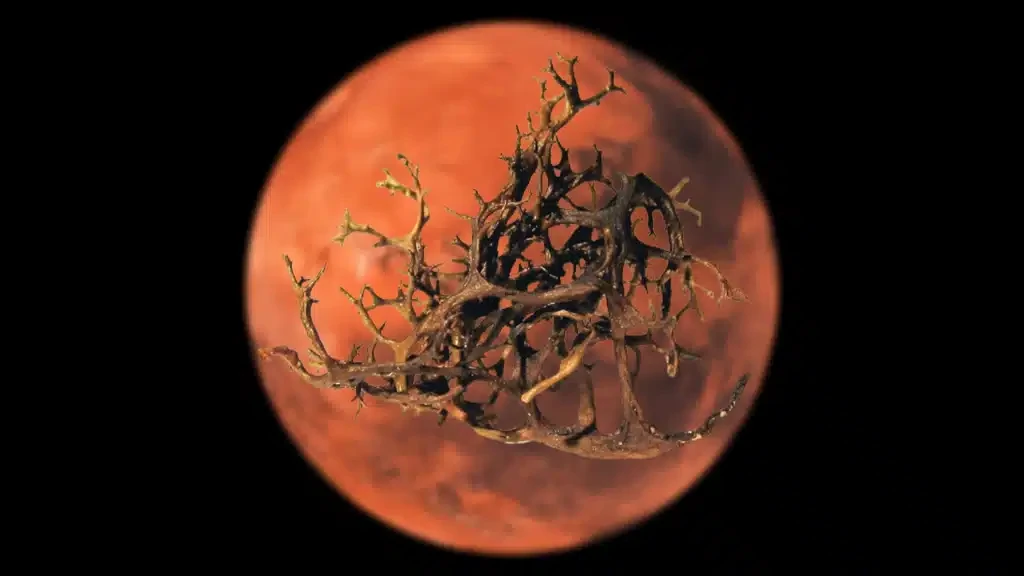
One of Mars’ biggest obstacles for sustaining life is the scarcity of liquid surface water. Although lichens survive extended dry spells, they still require minimal moisture to survive. Mars’ desolate and arid terrain presents a significant challenge, making it difficult even for these hardy organisms to prosper.
Other Earth Extremophiles That Might Thrive on Mars
Lichens aren’t alone in their potential to cope with Martian environments. Tardigrades, tiny microscopic animals dubbed “water bears,” are famous for their near-indestructibility. They endure extreme heat, severe cold, intense radiation, and enter cryptobiosis to survive without water. Researchers believe that, with some protection against radiation, tardigrades could possibly survive on Mars.
Mosses also show promise. Certain varieties resist gamma radiation and liquid nitrogen, suggesting they may tolerate Martian conditions. These tough lifeforms, together with lichens and tardigrades, might be key candidates for biological experiments in upcoming space exploration missions.
- Categories:
- Science










0 comments
Sign in to Comment