
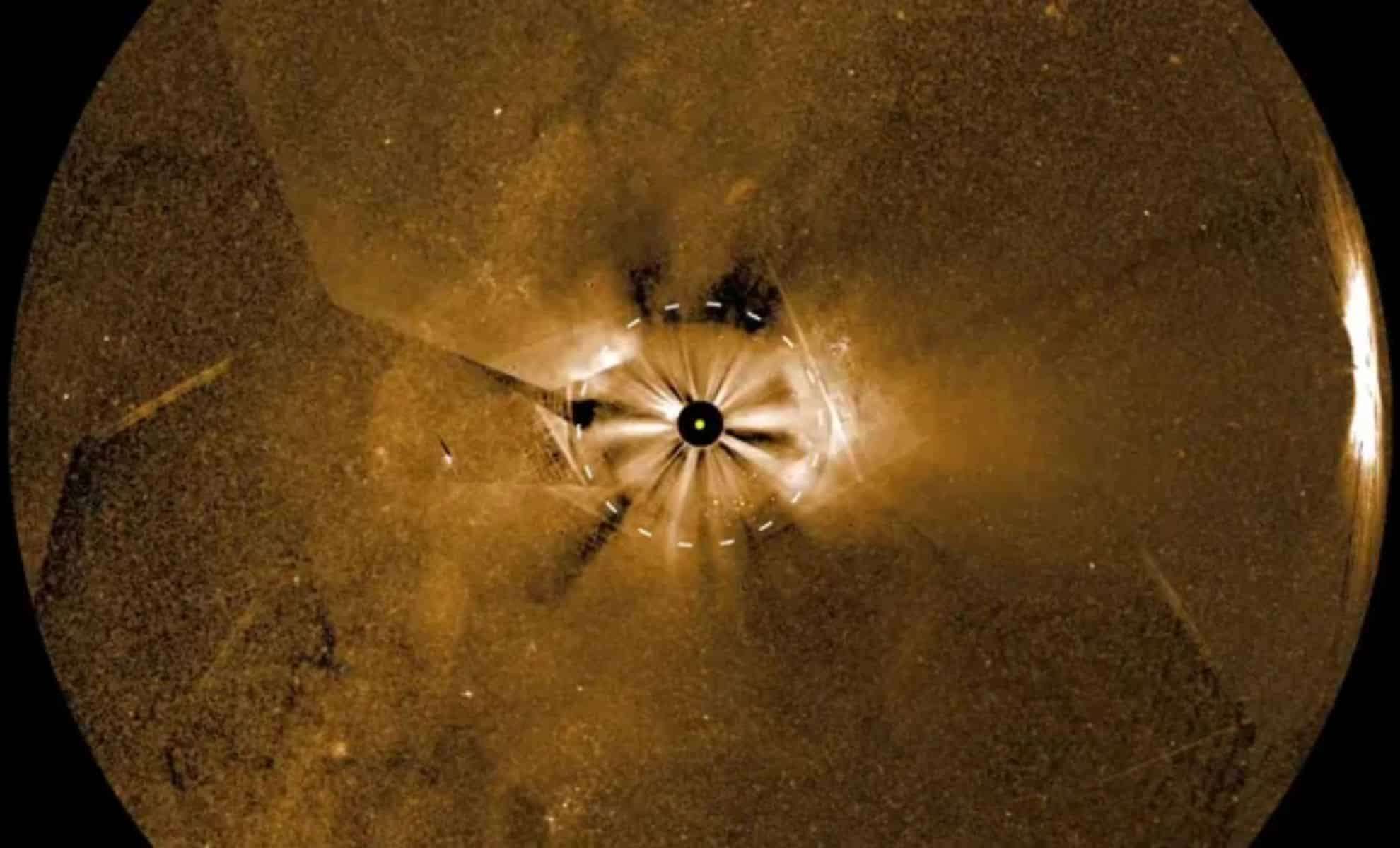
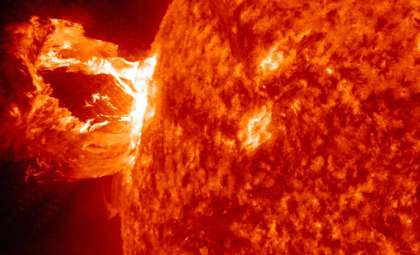
The PUNCH spacecraft, launched by NASA, has unveiled its initial captivating images of coronal mass ejections (CMEs)—immense solar blasts capable of disturbing satellites and communication networks on Earth. Captured between May and June 2025, these visuals deliver an extraordinary perspective on the journey of these solar storms through the inner solar system. Shared during the 246th meeting of the American Astronomical Society, these images are vital for advancing our knowledge of solar phenomena and their Earthly consequences.
NASA’s PUNCH Mission: Monitoring Giant Solar Outbursts
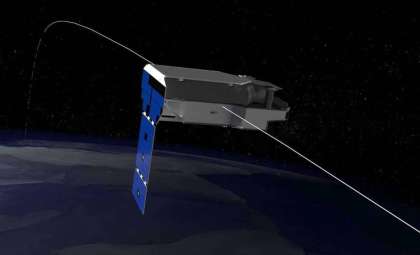
The PUNCH mission (Polarimeter to Unify the Corona and Heliosphere) is an innovative initiative dedicated to studying solar plasma as it escapes the Sun, contributing to the formation of the solar wind. Operating through four microsatellites, PUNCH observes coronal mass ejections (CMEs) and solar flares traversing the inner solar system. The newly released images offer an unparalleled glimpse into these vast eruptions, revealing their size and dynamics. These observations will be instrumental in forecasting the ways solar storms affect satellite operations, navigation systems, and global communication networks, enhancing space weather prediction capabilities and safeguarding technology in space.
Detailed Solar Storm Imagery from PUNCH Unveiled
The first batch of images from PUNCH captures solar eruptions in finer detail than ever before. These CMEs, large expulsions of plasma coupled with magnetic fields, appear to expand outward in multiple directions. One striking frame shows a CME approaching the spacecraft directly, with vivid layers of the event’s structure distinctly visible. These images offer scientists a rare live look at solar material escaping the Sun’s outer atmosphere, marking a new era in observing solar storms moving through the inner solar system. The enhanced detail enriches our understanding of the solar wind and the unfolding nature of space weather, shedding light on how these phenomena may affect Earth.

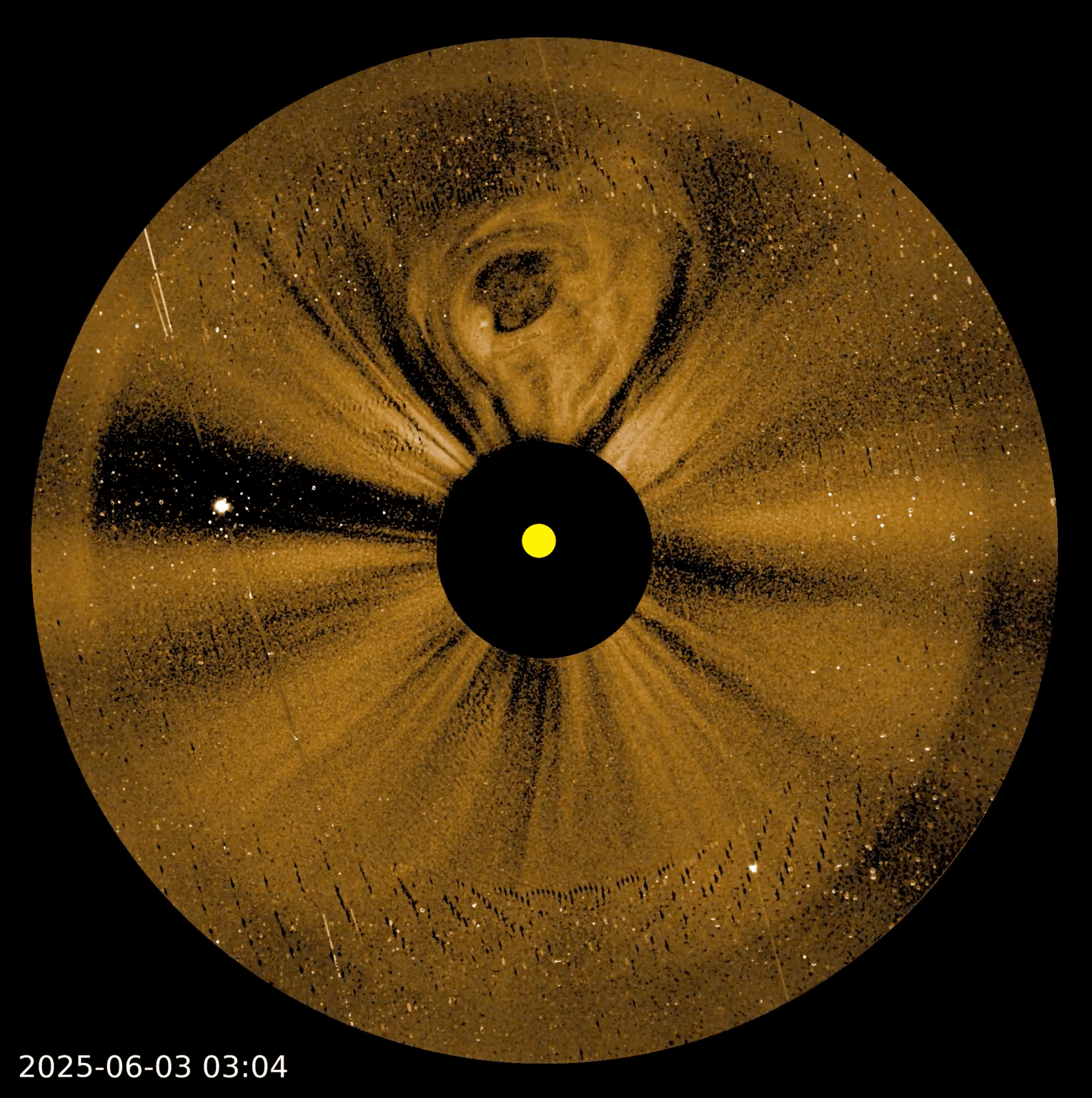
Advancing Space Weather Forecasting with 3D CME Tracking
Tracking CMEs and other solar events in three dimensions represents a major leap forward for space weather forecasting. Craig DeForest, the lead investigator for PUNCH, notes, “These first images are astonishing, but the best is still yet to come. Once the spacecraft are in their final formation, we’ll be able to routinely track space weather in 3D across the entire inner solar system.” This innovative 3D monitoring will enable researchers to predict solar storm trajectories and their impacts on Earth more precisely, enhancing protection for satellites, astronauts, and critical technological systems. It promises dynamic, real-time insights into the behavior of solar material as it journeys through space.
- Categories:
- News





0 comments
Sign in to Comment