

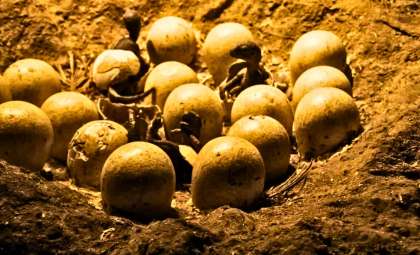
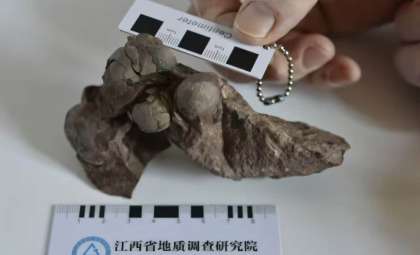
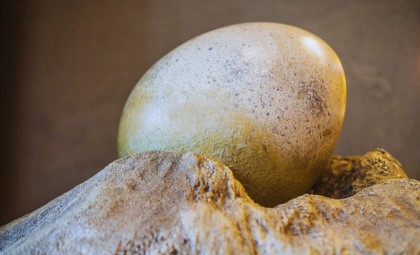
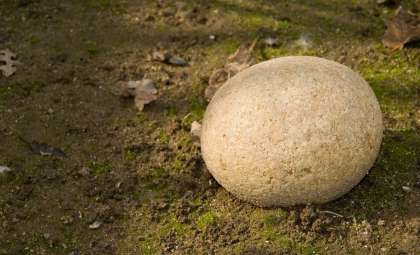
An ancient cluster of dinosaur eggs estimated to be about 150 million years old was recently found within a coastal cliff in Torres Vedras, Portugal. The fossil site, situated at Santa Cruz Beach, holds at least ten eggs from the Late Jurassic era, with early evidence indicating many of the embryos inside may have successfully hatched.
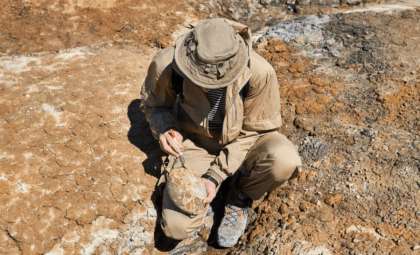
This exciting find was made by Carlos Natário, a scientist from the Centre for Research in Palaeobiology and Palaeoecology (Ci2Paleo), during his inspection of known fossil locations along the shoreline. An Instagram update emphasized that this area has been recognized for its rich paleontological heritage, reinforcing its significance with this latest discovery.
Discovery Made During Routine Fossil Monitoring
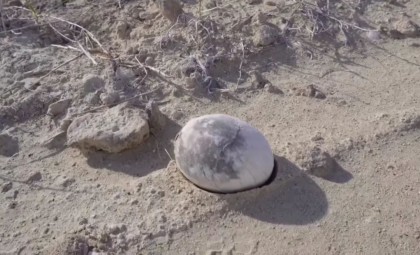
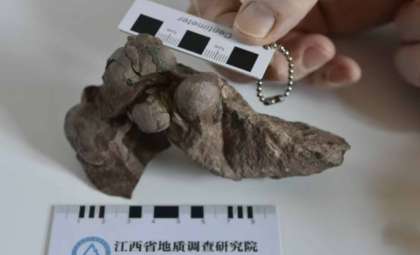
While performing routine geological monitoring on the cliffs of Santa Cruz Beach, Natário uncovered a compact nest embedded in sediment layers. Within it, he spotted ten dinosaur eggs clustered closely together. The eggs’ distinctive shapes and shell textures led researchers to identify them as dinosaurian, with initial findings suggesting a carnivorous dinosaur species.

Experts date the nest to the Late Jurassic period, a time known for a wide variety of dinosaur species. According to the Natural History Society of Torres Vedras, this assessment is based on the eggs’ distinctive outer features and porosity. The fossil’s sheltered position in the cliff has contributed to its remarkable preservation.
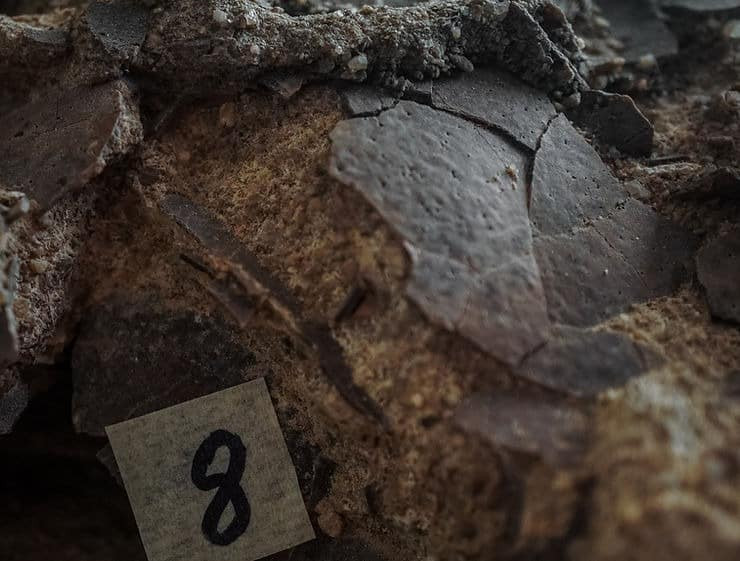
Signs Indicate Hatchlings Emerged Successfully
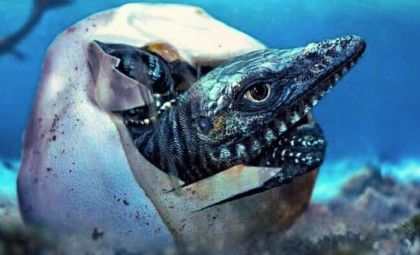
Preliminary studies indicate that most of the hatchlings likely broke free from their shells. Bruno Camilo, director of Ci2Paleo and PhD researcher at Instituto Superior Técnico, shared:
“almost all the dinosaur hatchlings hatched, as there is a noticeable migration of the shells from the hatching side back into the eggs, with little lateral dispersion of the shells.”
Camilo further noted that the eggshells’ exterior surfaces remain intact, which could provide valuable insights upon more detailed microstructural analysis. Although sediment currently obscures the egg interiors, there is potential for preserved embryonic material within the fossil block.
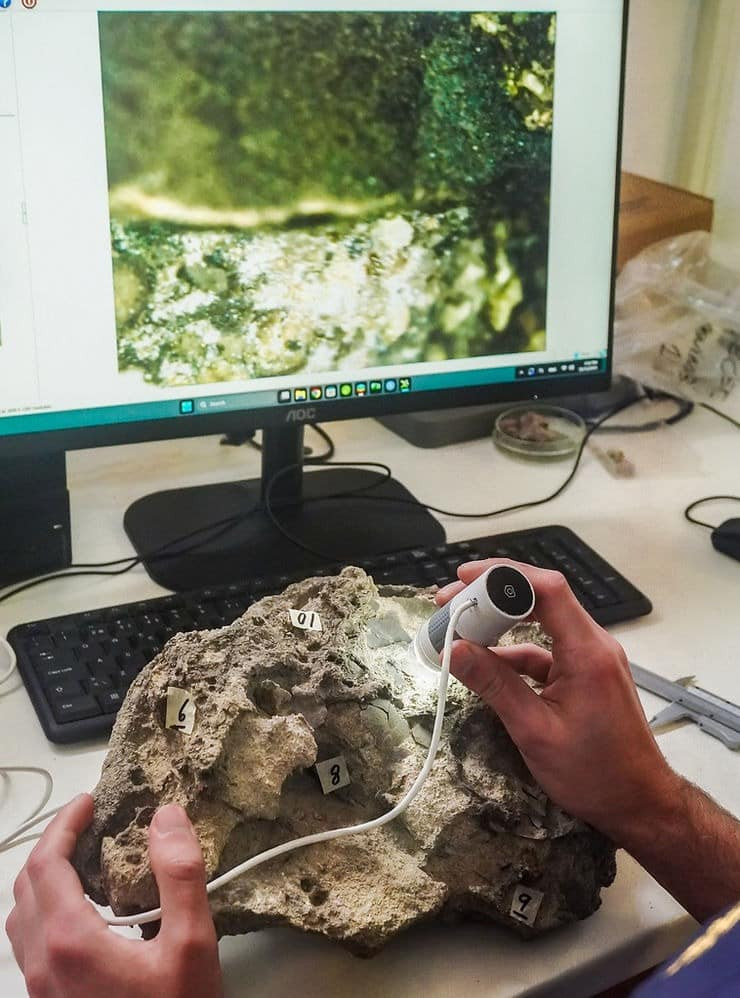
Non-Destructive CT Scans to Explore Contents
The research team plans to use CT scanning technology to examine the eggs’ interiors carefully, avoiding any harm to the fossil. Camilo explained that modern imaging tools now "allow us to see the imperceptible without resorting to potentially destructive techniques," as reported by The Macao News. This method could confirm whether embryonic remains are retained inside the fossil.
As scanning data is processed, it could unveil previously unseen structural features. The presence of embryonic tissue would significantly enrich understanding of dinosaur growth and reproductive biology. Portugal remains a rare and vital location globally where full dinosaur egg nests continue to be found.
The Santa Cruz discovery adds another important chapter to Portugal's expanding paleontological record. Ci2Paleo scientists plan to continue their detailed investigations at the site.
- Categories:
- Science



0 comments
Sign in to Comment