
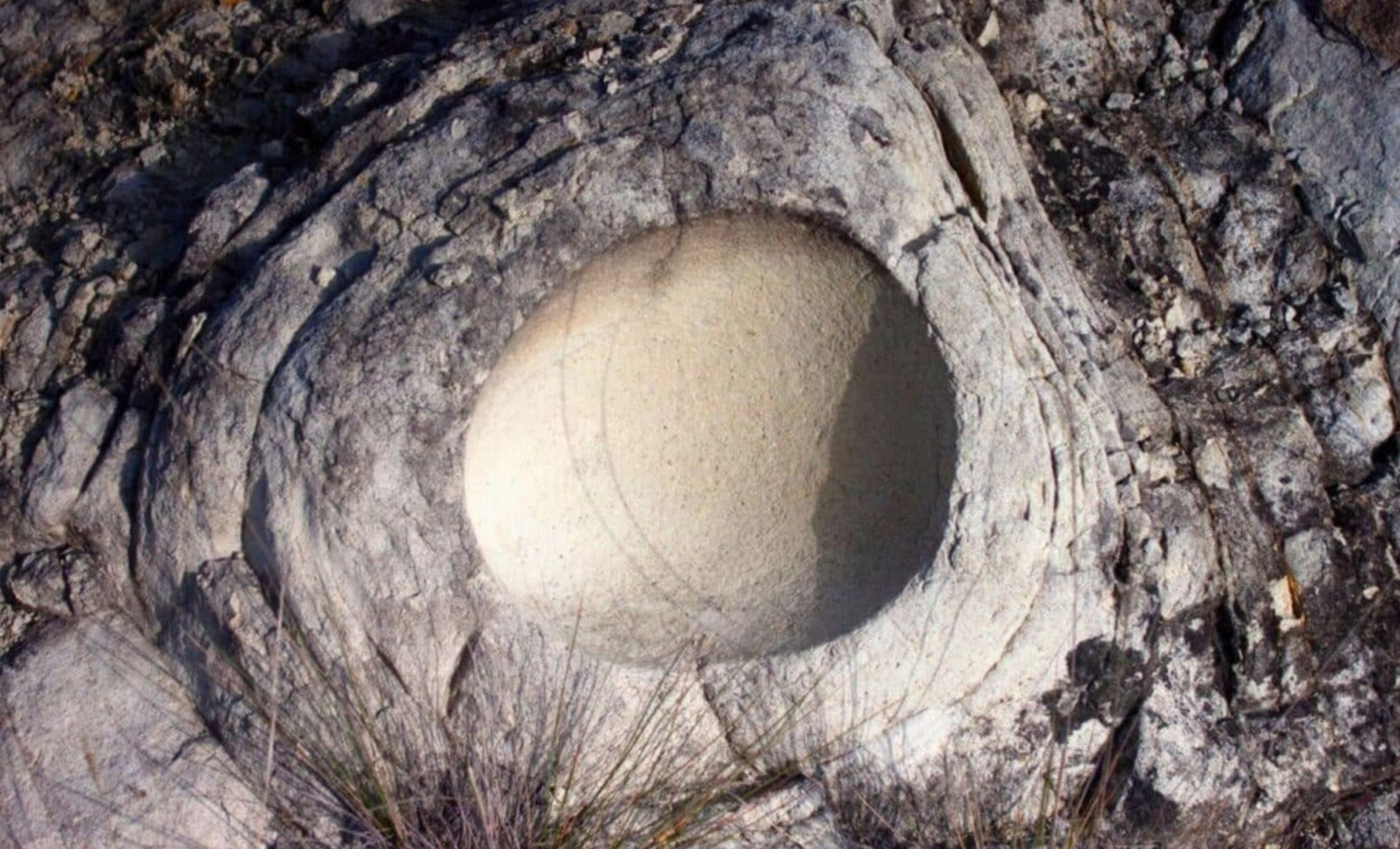
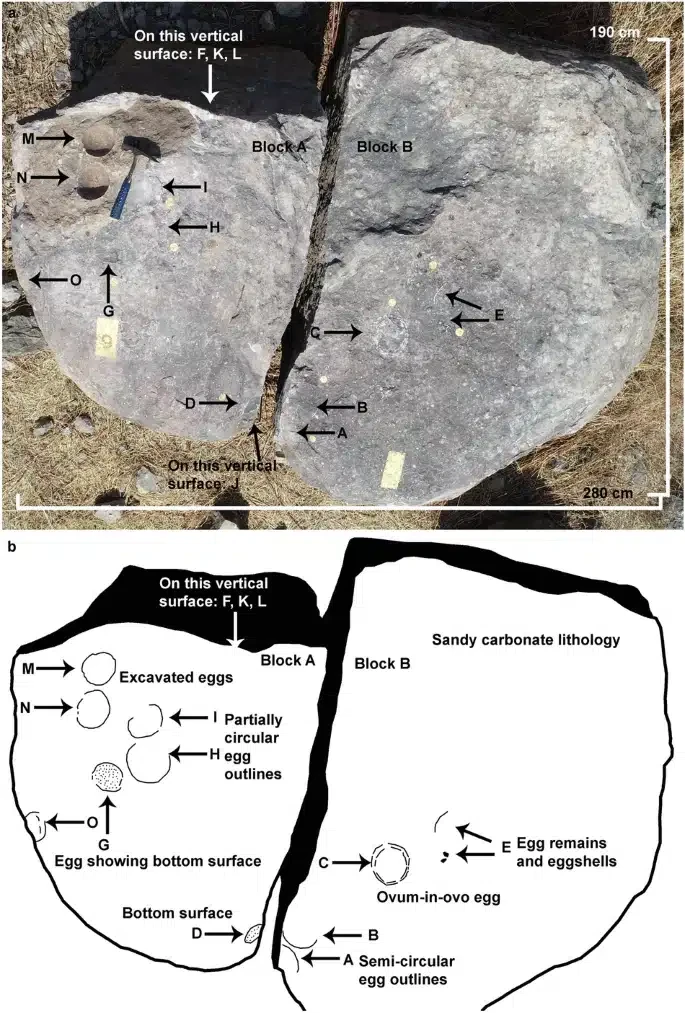
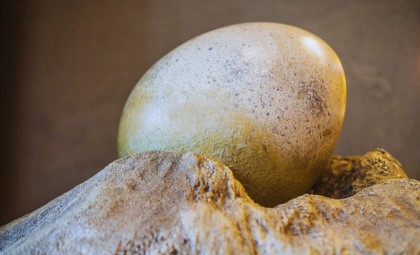
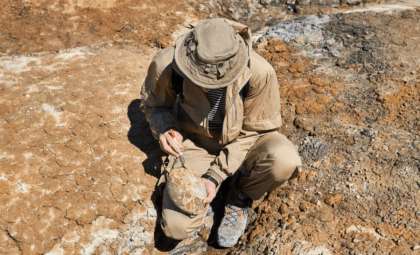
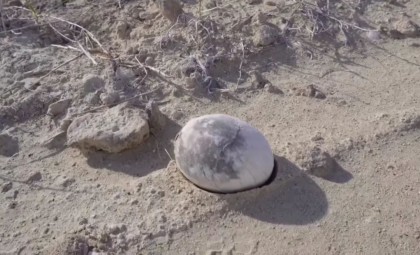
In a 2017 excavation in central India, scientists uncovered a clutch of 11 fossilized dinosaur eggs nestled in a shallow depression within the Lameta Formation. While the region is no stranger to dinosaur fossils, these eggs drew special attention due to their uniform shape and size, each approximately 15 centimeters in diameter. Researchers carefully documented each egg's position before extracting the surrounding sediment to bring them back for detailed lab analysis.
Initial examination revealed nothing out of the ordinary. The texture of the eggshells suggested they belonged to titanosaurs, massive herbivorous dinosaurs that thrived across the Late Cretaceous landscapes of India. However, one egg revealed a faint curved shadow beneath its outer layer, becoming visible only under specific lighting conditions. This subtle feature prompted researchers to investigate further using advanced imaging.
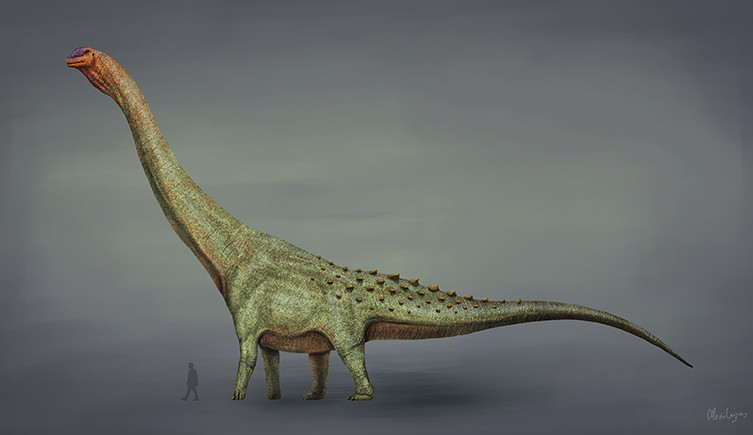
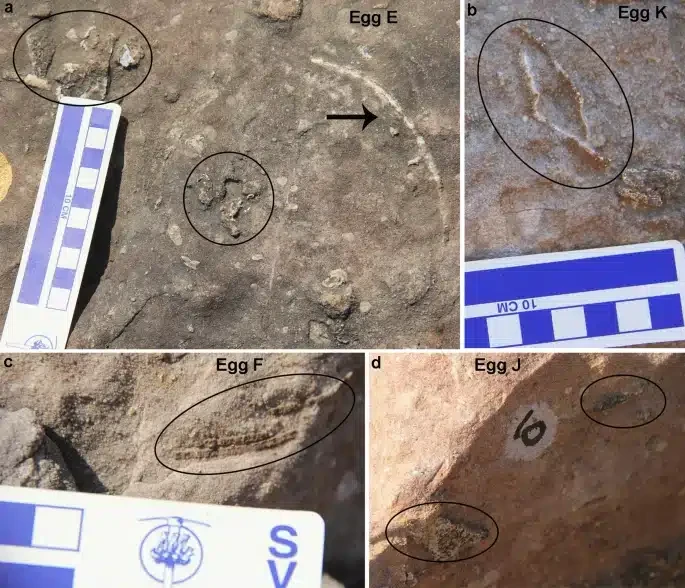
Once transferred to the laboratory, experts employed CT scanning to examine the eggs. The scans revealed a second, faintly curved form inside the peculiar egg. At first, the team considered a collapsed shellscenario, which is common with fossils buried under pressure. However, the smooth, continuous arc of this inner shape contrasted with the jagged folds typical of compression. Increasing the scan resolution helped determine if this represented a biological rather than geological feature.

A Hidden Layer Within the Fossilized Egg
High-definition scans confirmed the presence of two distinct curved layers separated by a fine sediment layer, which argued against sediment deformation. Researchers compared these patterns with known collapse formations from other titanosaur eggs and found no resemblance. Instead, this layered structure pointed to ovum-in-ovo pathology, a phenomenon previously observed only in birds.
Leading the research, Dr. Guntupalli Prasad from the University of Delhi referenced prior publications inScientific Reports that detailed titanosaur egg characteristics in nearby regions. These studies provided baseline data on eggshell thickness and curvature, aiding in verifying whether the inner arc depicted a second eggshell. The measurements closely matched these known parameters, bolstering the biological interpretation.
The eggshell on the outside measured about 2.6 millimeters, with the inner curve approximately 2 millimeters thick. Both corresponded well within documented ranges for titanosaur shells. Analyzing mineral alignments in the two layers, scientists observed consistent biological growth patterns, implying each shell had developed independently within the reproductive tract.
Significance of the Double-Layered Egg
The presence of a genuine ovum-in-ovo structure indicates a second shell formed around an already-developing egg due to its internal reversal in the oviduct. Such structures are not known in modern reptiles but are typical in birds. Prior to this find, no confirmed non-avian dinosaur egg had exhibited such a feature. This discovery provides rare insight suggesting that titanosaur reproductive mechanisms may have paralleled those of birds more closely than conventionally believed.
Out of the 10 remaining eggs in the clutch, none showed evidence of additional shell layers. They all maintained single-shell construction with customary mineral deposition. The isolated double-shell egg likely resulted from a unique internal biological event rather than external deformation. Measurements of the inner layer’s curvature differed from collapse-induced artefacts, strongly supporting its biological origin.
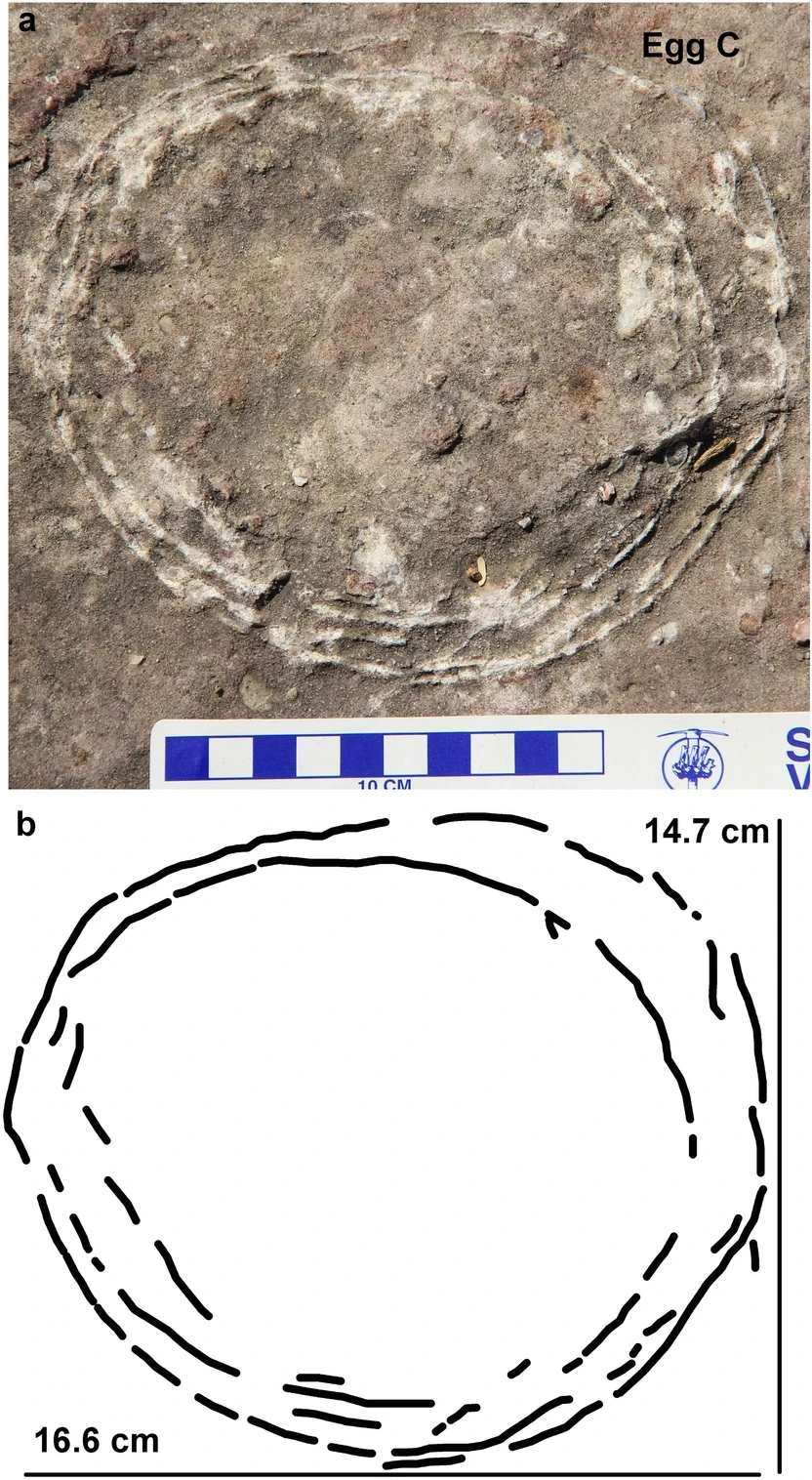
Another notable detail was the incomplete circular form of the inner shell, which didn’t span the entire egg diameter. This partial encapsulation aligns with ovum-in-ovo conditions documented in birds, where redirected eggs receive incomplete secondary shells before being laid. These findings led the team to conduct further microstructural analyses to understand layer formation.
Reconstructing the Egg's Development Timeline
Using scanning electron microscopy, Dr. Prasad’s group studied microscopic shell textures and identified two sets of columnar calcite layers separated by a thin mineral gap. This gap’s presence was critical, as sediment compression would typically distort such boundaries. The distinct separation validated that these shells formed independently at separate times within the oviduct.
Analysis of sediment particles trapped within the gap showed them to be finer than those around the rest of the clutch, suggesting the layers separated before complete burial. This helped establish that the inner egg changed its internal direction shortly before the second shell developed.
Examination of crystal orientation supported these conclusions, demonstrating outward radial growth in both shells and indicating similar physiological conditions during their formation. These findings align with avian reproductive physiology, where specialized oviduct regions enable secondary shell production when an egg reverses internally.
Insights into Titanosaur Reproductive Biology
The double-shelled egg suggests titanosaurs may have possessed segmented oviducts resembling those of modern birds. Unlike reptiles, birds can develop dual eggshell layers due to this anatomical arrangement. This evidence supports mounting theories that some dinosaur groups had reproductive strategies closer to birds than previously assumed. It also corroborates earlier observations of titanosaurs nesting in extensive aggregations across vast areas.
The research team highlighted Dr. Prasad’s explanation that the preserved egg structure showed "clear separation between the two shell layers," confirming it was not a product of geological forces. This distinction allowed them to confidently identify the inner shell as a separate biological feature.
Evaluations of pore density reinforced these findings, showing normal titanosaur porosity on the outer shell, indicating it developed fully before forming around the redirected inner egg. This sequence parallels the sequence observed in bird ovum-in-ovo cases.
A Unique Glimpse into Prehistoric Reproduction
Comparing this egg to over 250 other titanosaur eggs from the site revealed no similar internal layering, emphasizing the rarity of this discovery. Nonetheless, the condition remains within the scope of biological reproductive processes. High-resolution images of the fossil now serve as a valuable archive for future comparative studies at research institutions worldwide.
This remarkable dual-layer eggshell fossil offers an exceptional window into an uncommon ancient reproductive mechanism. Even after 68 million years, it stands as one of the clearest examples of sequential eggshell formation in non-avian dinosaurs.
- Categories:
- Science





0 comments
Sign in to Comment