

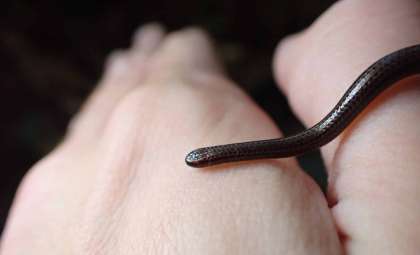
Almost twenty years since it was last spotted, the planet’s smallest known snake, Tetracheilostoma carlae, has been located once again in the woodlands of Barbados. This minuscule and elusive reptile, often likened in size to a spaghetti strand, had not been observed since 2008, leading many to believe it had vanished. However, in March 2025, a team from the Barbados Ministry of the Environment along with Re:wild confirmed its survival, igniting new hope for this critically endangered reptile and highlighting threats to the island’s fragile ecosystem.
An Extraordinary Underground Dweller
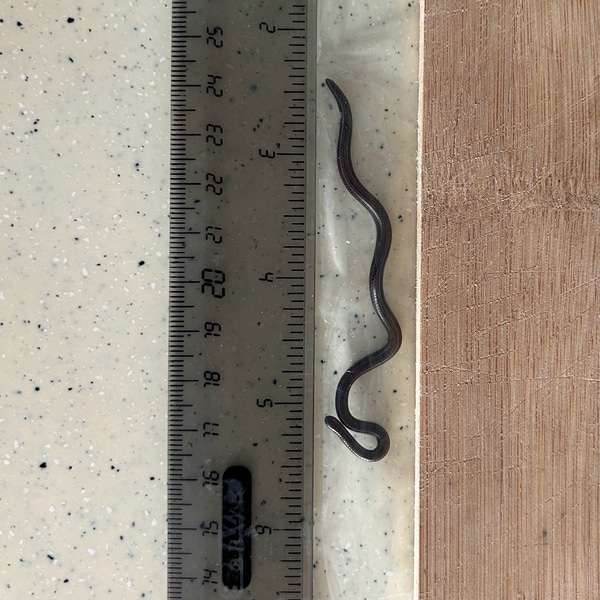
The Barbados threadsnake is remarkable for its tiny size, with adults reaching just around 10 centimeters in length. Its concealed lifestyle makes it notoriously hard to detect. Being blind and spending its life mostly beneath the surface, it remains almost imperceptible to observers. Unlike typical snakes, it doesn’t hunt actively but feeds primarily on termites and their eggs, detecting them through senses aside from sight.
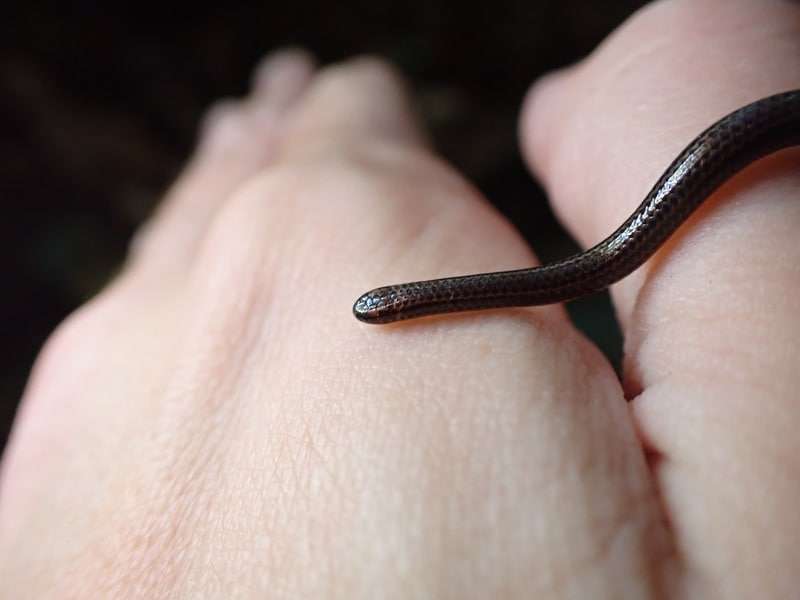
Due to its secretive nature, initial scientific documentation was challenging. Since its first recorded mention in 1889, sightings have been extraordinarily rare. The paucity of records combined with its tiny dimensions led to fears that it might have vanished entirely. Nevertheless, this recent confirmation opens the door for renewed study and conservation efforts for this singular snake species.

An Ecosystem Under Threat
The importance of rediscovering Tetracheilostoma carlae stretches beyond its rarity, extending to the growing environmental pressures it endures. Barbados has suffered extensive deforestation and invasion by non-native species. Over centuries, close to 98% of its pristine forests have been converted for farming, leaving fragmented woodland patches that are essential refuges for native wildlife.
Particularly in Barbados’ Scotland District, these dwindling forests are crucial habitats for endemic species including the threadsnake. Rapid habitat loss threatens these ecosystems, while invasive predators such as the Indian mongoose have devastated native animal populations by preying on small reptiles and mammals. The Tetracheilostoma carlae faces similar dangers as it struggles to persist in this fragmented landscape.
Steps Toward Protection and Understanding
Following the rediscovery, scientists have intensified efforts to track and assess the threadsnake’s numbers. Initiatives including Conserving Barbados’ Endemic Reptiles (CBER) have contributed valuable insights about locations where the snake might survive. Upcoming comprehensive surveys aim to deepen knowledge of its habitat and enable implementation of effective protection measures.
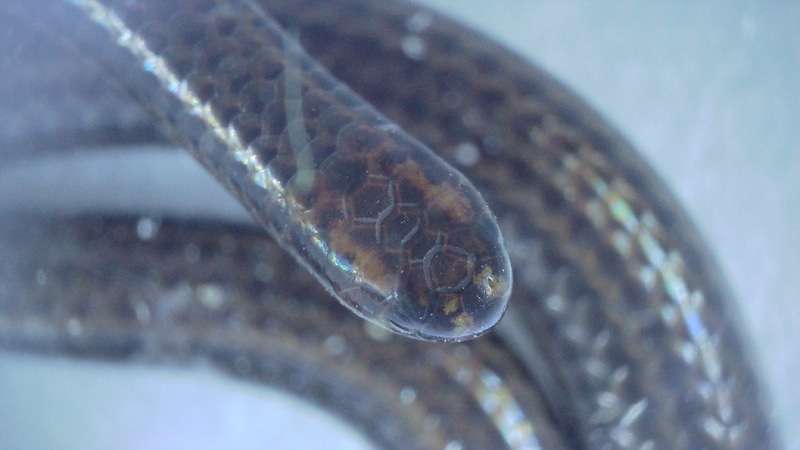
Reproductive biology presents an additional challenge; the threadsnake lays only a single egg per reproductive cycle, limiting population expansion. Successful mating requires male and female snakes to locate each other in an increasingly degraded environment. Without careful conservation, this species remains highly vulnerable to extinction once more.
A Symbol for Island Conservation
The emergence of this diminutive serpent from near obscurity highlights the fragile equilibrium necessary for island habitats to sustain biodiversity. Its discovery is a positive development, yet its survival depends heavily on conserving remaining forest habitats and controlling invasive threats endangering native species.
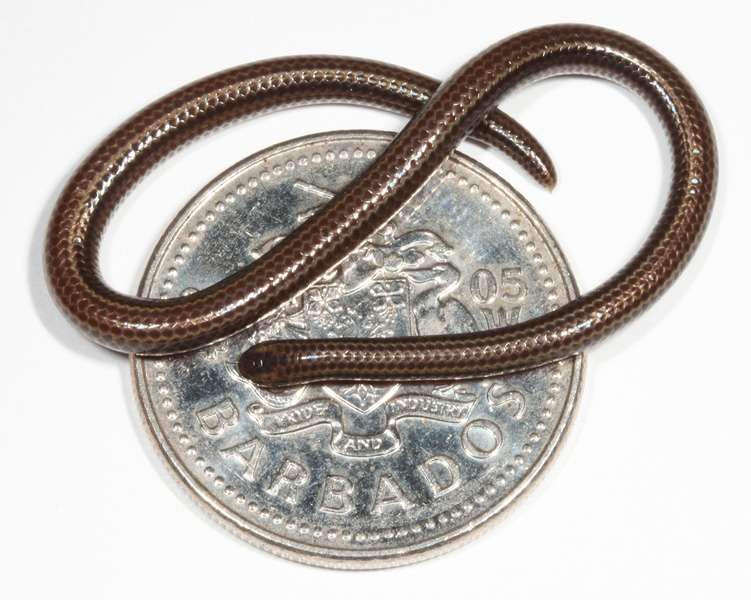
Ongoing research will be critical in determining if this rare snake can sustainably persist in its natural environment. Its reappearance serves as a powerful reminder of the urgent need to protect Barbados’ forests and the endangered species they shelter.
- Categories:
- News










0 comments
Sign in to Comment