
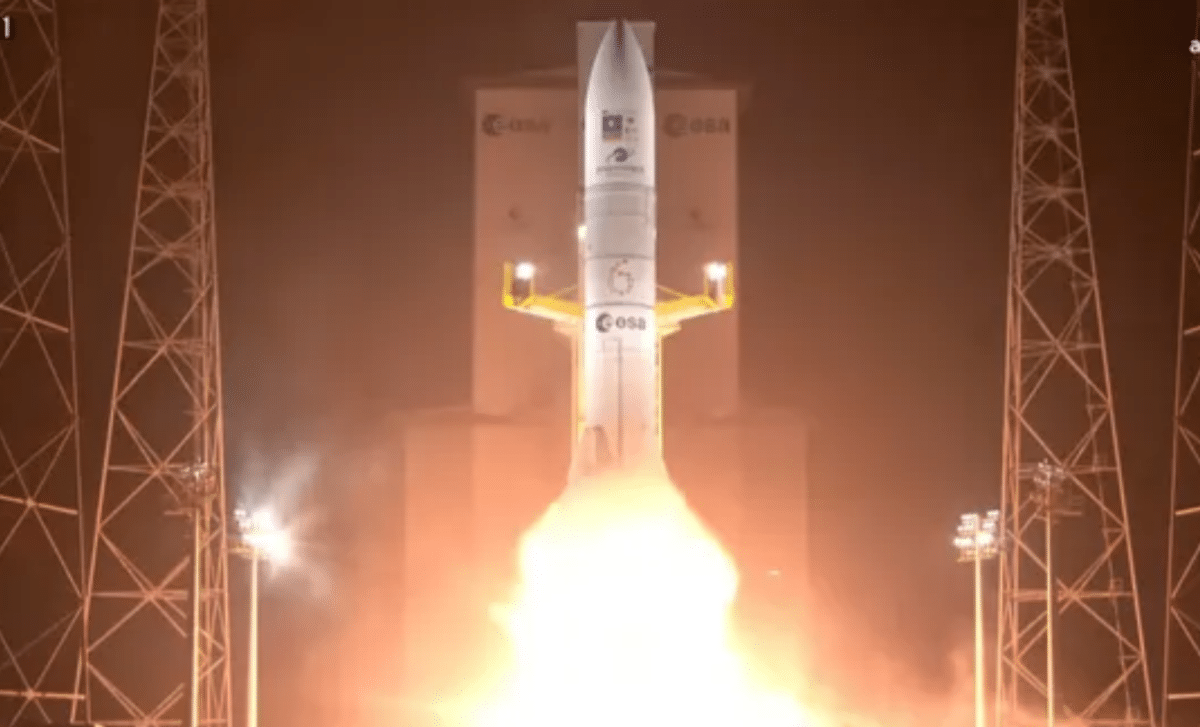
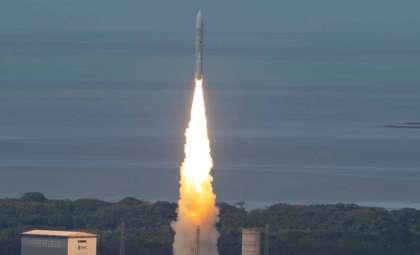
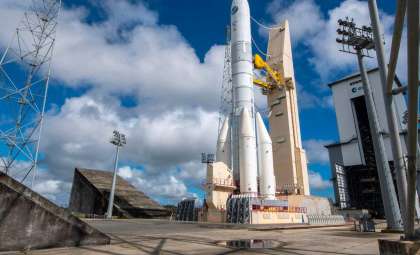
On December 17, 2025, Europe reached a significant achievement in space technology by successfully sending two Galileo navigation satellites into orbit aboard the Ariane 6 launcher. This event highlights Europe’s growing self-sufficiency in space endeavors, moving away from reliance on outside providers.
Triumph of Ariane 6 and the Galileo Satellite Mission
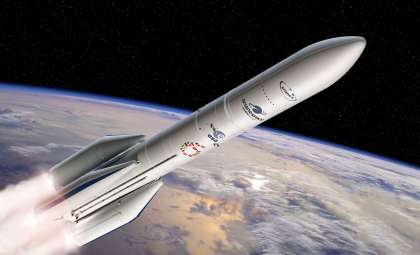
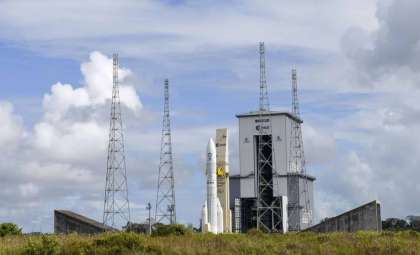
Launching from Kourou, French Guiana, the Ariane 6 rocket, operated by Arianespace, carried two Galileo satellites as part of Europe’s strategic initiative to establish its own global navigation system. Moving beyond past dependence on the retired Ariane 5 and Russian Soyuz vehicles, this success clearly showcases Europe’s readiness to oversee the future of its satellite navigation independently.
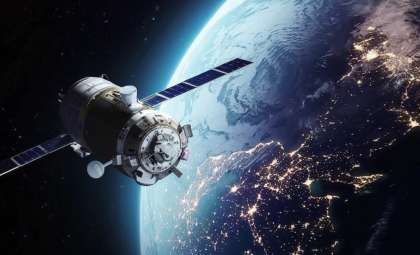
Developed by the European Union, the Galileo constellation aims to rival systems such as the American GPS. Positioned at an altitude of 14,429 miles (23,222 kilometers) above Earth, these satellites provide an essential alternative to existing U.S. and Russian navigation arrays. Following deployment, the satellites will spend several days unfolding solar panels and performing critical system checks before entering a four-month phase of orbital adjustment. Once operational, they will enhance global positioning, navigation, and timing services, benefiting vital sectors including transport and communications.

Europe’s Leap Toward Space Sovereignty
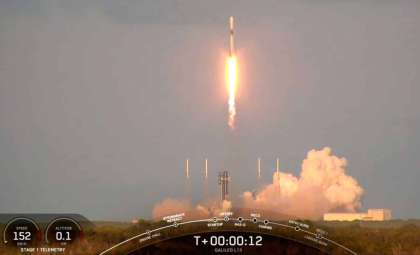
As highlighted by Space.com, this December 2025 mission is more than a routine launch—it signifies a strategic shift in how Europe approaches space operations. After retiring the Ariane 5 in 2023 and halting Soyuz launches due to geopolitical strains, Europe faced urgent needs to maintain its satellite launch cadence. While SpaceX’s Falcon 9 rockets temporarily bridged the gap, the fully functional Ariane 6 positions Europe to regain independence and reduce external dependencies. This development represents a crucial chapter in Europe's space industry evolution and its expanding global influence.
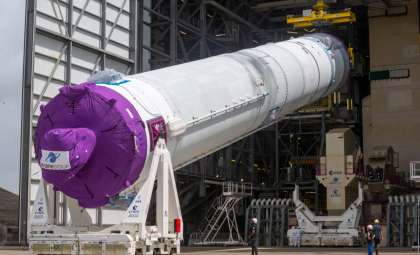
The Ariane 6 vehicle’s importance is further underscored as Europe’s homegrown heavy-lift rocket crafted to replace earlier models and compete internationally. This event marks the fifth successful launch of the Ariane 6 rocket, reinforcing its dependability and readiness for future assignments. Its advanced design supports heavier payloads, making it suitable for diverse missions ranging from telecom satellites to scientific instruments.
The Strategic Role of Galileo in Global Navigation
With increasing reliance on connected technologies, satellite navigation plays a crucial role today. Galileo’s system, after achieving full operational status, is expected to deliver improved accuracy in positioning that could enhance worldwide GPS precision. The satellites’ orbits will facilitate exact location tracking, which holds potential to revolutionize sectors such as autonomous transport, emergency response, and supply chain management.
Moreover, Galileo offers Europe a chance to lessen dependence on foreign global navigation satellite systems (GNSS). This autonomy is vital for economic resilience, national security, and geopolitical strategy. Operating an independent navigation network empowers Europe with strategic leverage in space-related affairs and aligns with the continent’s wider aspirations in space exploration.
Why Ariane 6 is Critical for Europe’s Space Ambitions
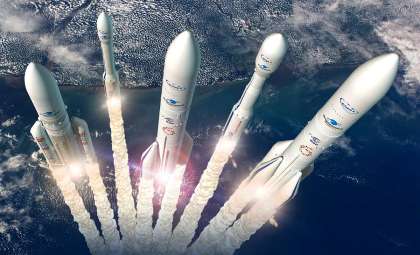
Ariane 6 is not just a launch platform—it is a cornerstone of Europe’s vision for sustained space activity. Having completed four successful missions over the past year, this rocket has demonstrated its robustness. Beyond dispatching Galileo satellites, it is slated to support an extensive range of missions including telecom satellites, Earth observation, and scientific payload deployments. Its flexible architecture makes it a vital tool for Europe’s expanding cosmic footprint.
Operated by Arianespace, the Ariane 6 has been engineered to meet the contemporary demands of space missions with enhanced payload capacity compared to previous rockets. This capability strengthens Europe’s stance in the international market, providing competitive options amidst the growing presence of private aerospace firms like SpaceX.
- Categories:
- Space



0 comments
Sign in to Comment