
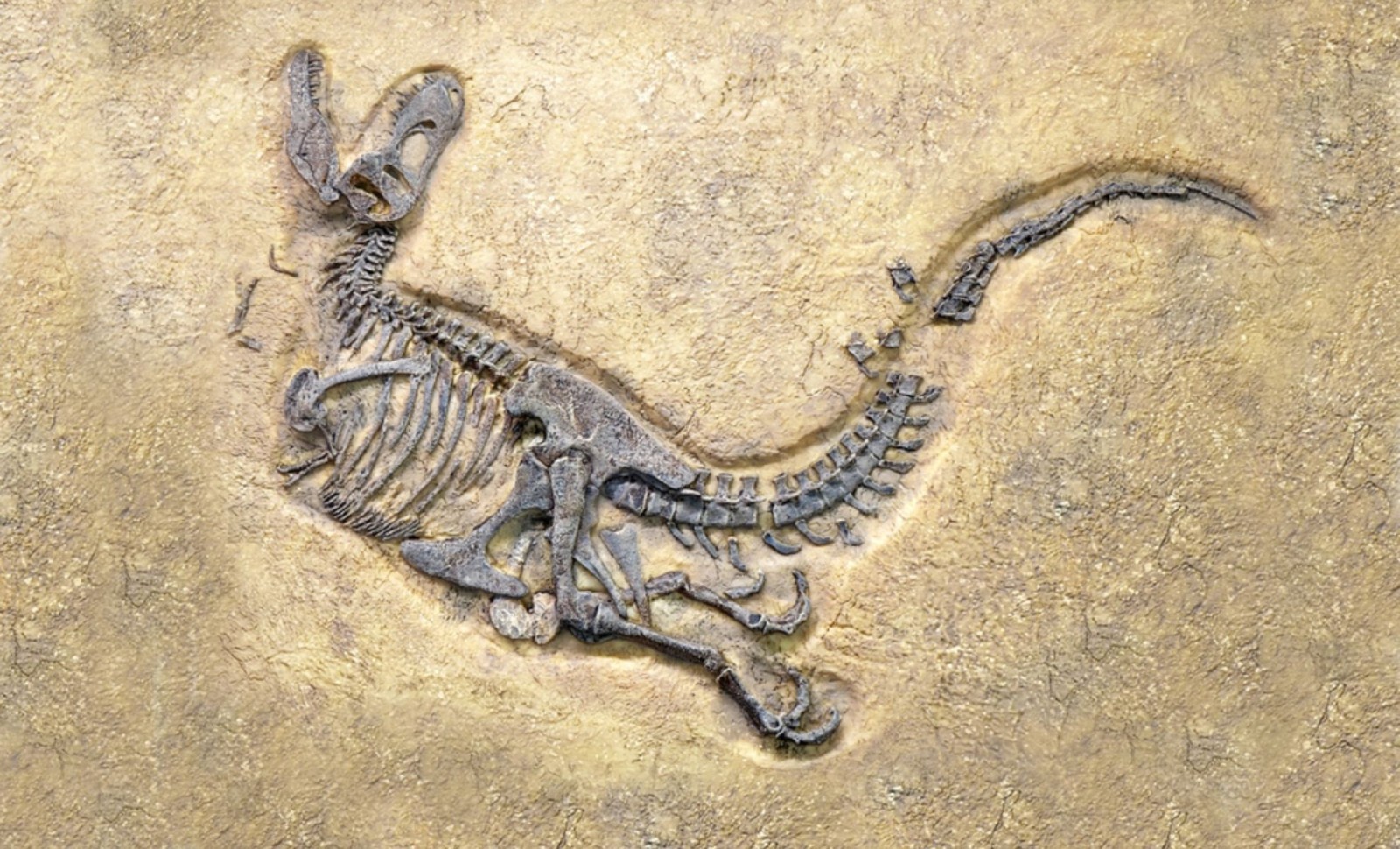
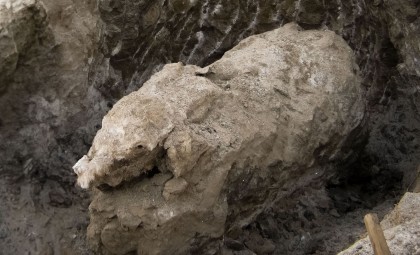
Researchers have revealed the discovery of an exceptionally well-preserved dinosaur fossil, acclaimed as the UK's most complete find in over 100 years. The specimen, identified as a new species named Comptonatus chasei, was excavated on the Isle of Wight. This extraordinary specimen was described in a recent publication in the Journal of Systematic Palaeontology, generating substantial interest in paleontological circles.
The Isle of Wight, renowned for its abundant dinosaur fossil record, has once again proven to be a hotspot for groundbreaking paleontological finds. Scientists anticipate that this new discovery will deepen understanding of dinosaur life during the Mesozoic Era, a time when these ancient reptiles dominated Earth.
Solving a Hundred-Year-Old Puzzle
Experts emphasize that the Comptonatus chasei fossil ranks among the most intact and detailed dinosaur remains ever uncovered in the UK. As noted by Jeremy Lockwood, affiliated with the Natural History Museum and the University of Portsmouth:

“The description of Comptonatus represents the culmination of years of work.” He added, “Almost 150 bones have been unearthed, making it almost certainly the most complete new dinosaur found in Britain for 100 years.”
The study highlights that the fossil's outstanding preservation allows for detailed analysis of its physical structure unlike any previously recorded. This dinosaur, which roamed the Earth during the Jurassic period over 160 million years ago, was probably a swift-moving, small herbivore.
The Isle of Wight’s Fossil Riches
The Isle of Wight consistently emerges as a premier site for dinosaur fossil discoveries in the UK. This modest island off southern England has yielded specimens ranging from small plant-eaters to large meat-eaters, attracting paleontologists and enthusiasts alike.
Its distinctive geography, featuring steep cliffs and exposed stratified rock layers, has helped preserve fossils from numerous geological periods. The site offers researchers a remarkable opportunity to investigate life forms that existed millions of years ago.
A report from the Natural History Museum cites rapid burial combined with the era’s environmental conditions as key to the fossil’s preservation.
Following intense rainfall, the dinosaur’s remains—likely already deceased—were swiftly transported to a floodplain alongside vegetation and sediments. This prompt burial shielded the specimen from decay, enabling the detailed study of its physical traits.
Revealing Ancient Biodiversity
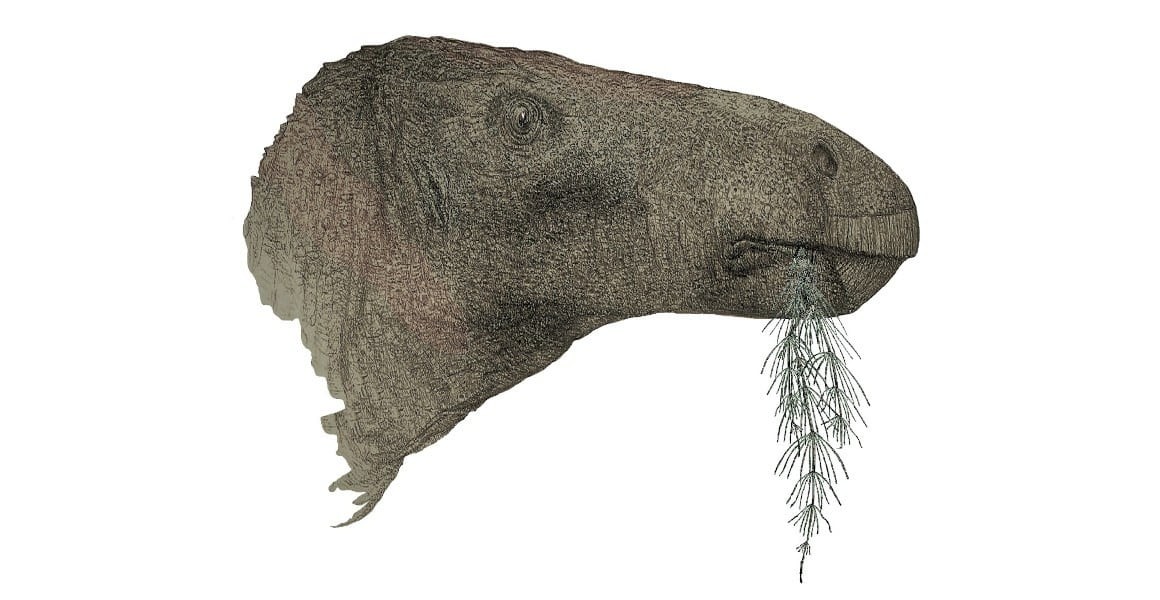
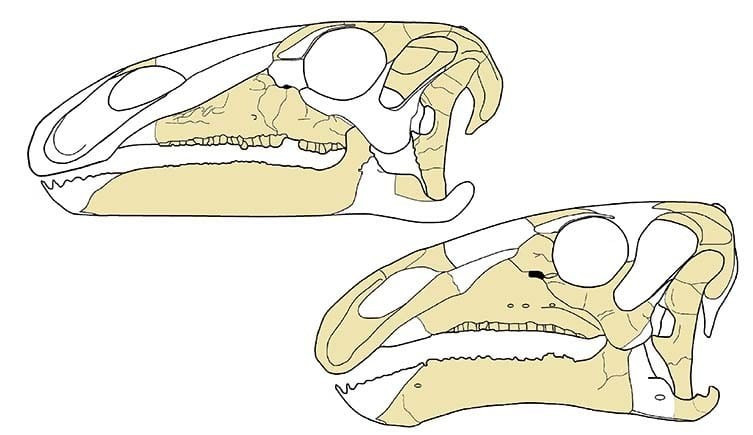
The identification of Comptonatus chasei expands the known diversity within the Iguanodon family. Although closely related to other iguanodontians, its distinct skeletal characteristics confirm it as a unique species.
Initially, the fossil was believed to be from Mantellisaurus atherfieldensis, a common classification for iguanodontians found on the Isle of Wight during the Jurassic and Cretaceous periods, which are often assigned to either Mantellisaurus or Iguanodon.
Recent findings indicate that iguanodontian diversity was more complex than previously acknowledged, with Comptonatus exemplifying this overlooked variety.
“It’s unclear whether this is because they evolved faster than previously thought, or that many species existed side by side,” Jeremy explains.
Understanding this aspect remains a key focus for paleontologists aiming to unravel iguanodontian evolution.
- Categories:
- Science




0 comments
Sign in to Comment