
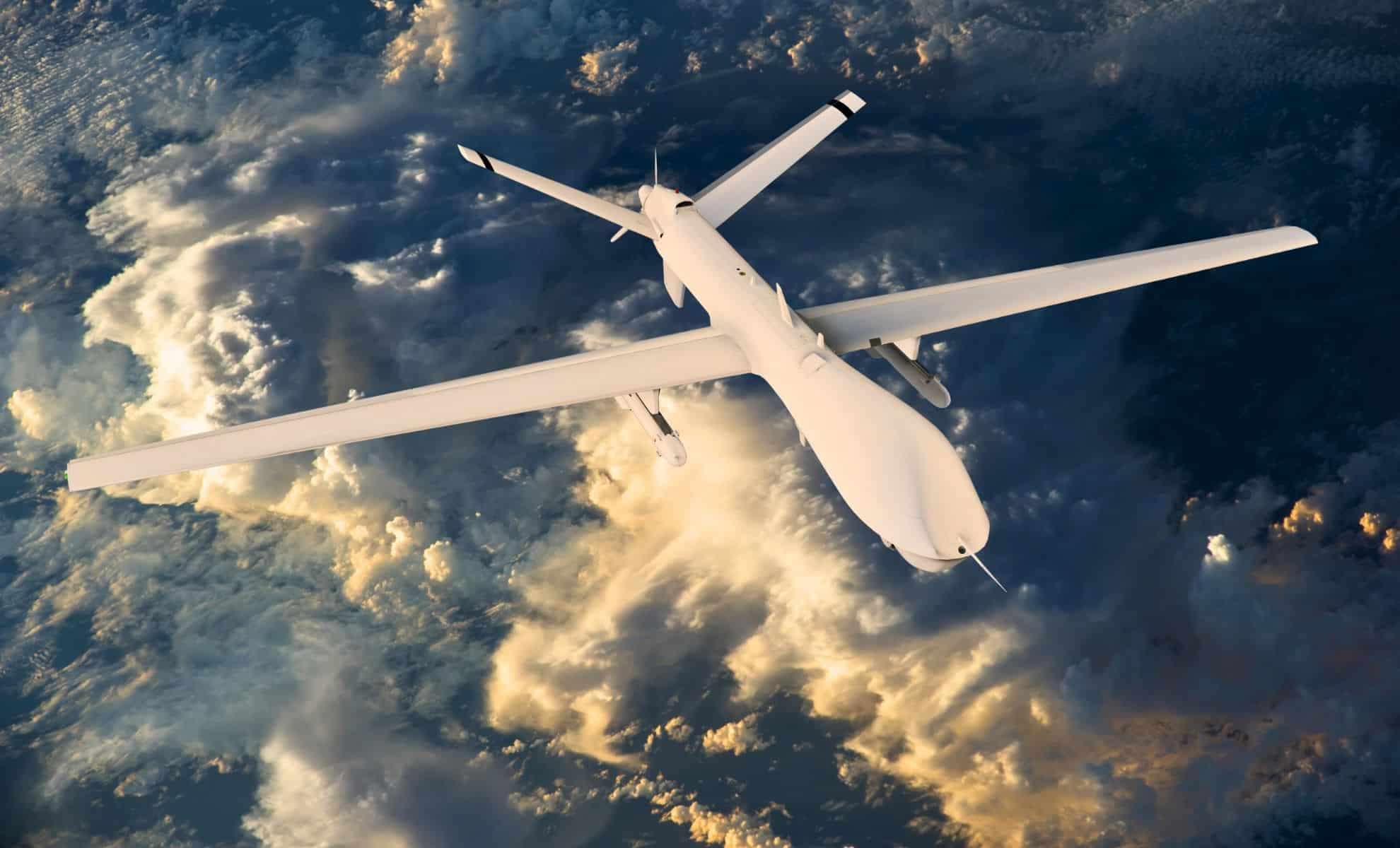
Ukrainian intelligence agencies have unveiled a surprising development: Russia's military drones now heavily depend on components sourced from China. While foreign parts have historically been part of Russian weapons systems, the revelation that some drones are assembled almost entirely with Chinese technology signals a notable transformation in Russia’s military manufacturing. This finding highlights the strengthening defense collaboration between Beijing and Moscow, providing fresh insight into shifting international alliances and battlefield innovations.
Russian Forces Employ Chinese-Manufactured Decoy Drones
On July 22, the Ukrainian Defense Intelligence (GUR) disclosed the capture of a new Russian decoy drone consisting fully of Chinese parts. Engineered to distract Ukrainian air defenses, this drone can carry a warhead weighing up to 15 kilograms. Its design mirrors that of the Shahed-136 drone used actively in the conflict, although it is smaller in size and built on entirely different technological foundations.
Critical drone parts, including the flight controller and navigation modules, originate from CUAV Technology, a China-based firm specializing in unmanned aerial vehicle systems. This discovery is particularly significant as it illustrates Russia’s increasing dependency on Chinese military technology amid the ongoing conflict, reflecting the influence of foreign components on evolving combat tactics.

Growing Defense Partnership Between Russia and China
While Russia has long incorporated international components into its arsenal, the extent of integration with Chinese technology is expanding rapidly. GUR’s recent findings reveal CUAV Technology parts in drone construction, coinciding with broader reports that Russia increasingly sources Chinese-made engines and advanced AI systems for its aerial units. This trend represents a strategic adjustment in Russia’s defense supply chain as it navigates intensifying Western sanctions and strengthens its ties with Beijing.

The military alliance between the two nations is now more evident than ever, with Chinese technology becoming central to Russia’s drone functions. These drones feature Chinese sensors alongside AI-driven systems that enhance autonomous decision-making and targeting, enabling Russia to deploy more advanced reconnaissance and strike capabilities on the battlefield.
The Integration of Artificial Intelligence and Fiber-Optic Technologies
China’s support extends beyond hardware parts, supplying key artificial intelligence systems that empower Russian drones. GUR investigation uncovered that AI-enabled drones like the V2U—active in Ukraine’s Sumy region—can independently detect and engage targets. This capability, heavily reliant on Chinese AI technology, is a breakthrough that significantly advances Russia’s unmanned warfighting tools.
Additionally, fiber-optic technology supplied by China is helping Russia enhance its drone communications. This advancement addresses limitations of traditional radio-controlled systems, vulnerable to electronic interference, by providing more secure and longer-distance data transmission. These improvements boost the effectiveness of Russian drone operations in surveillance and tactical missions.
Impacts of China’s Military Assistance on Global Power Dynamics
Russia’s increasing dependence on Chinese technologies carries major international repercussions. Although Beijing officially claims neutrality in the Ukraine conflict, its transfer of critical military tech to Moscow suggests a more nuanced involvement. This growing dependency challenges Western sanctions regimes and highlights China’s expanding role in shaping military balance worldwide.
The partnership between Moscow and Beijing could influence not only the trajectory of the conflict in Ukraine but also the broader geopolitical stage. With China emerging as a pivotal contributor to Russia’s military ventures, global power structures and strategies may undergo considerable shifts, posing complex challenges for Western nations aiming to uphold their influence.
- Categories:
- News








0 comments
Sign in to Comment