
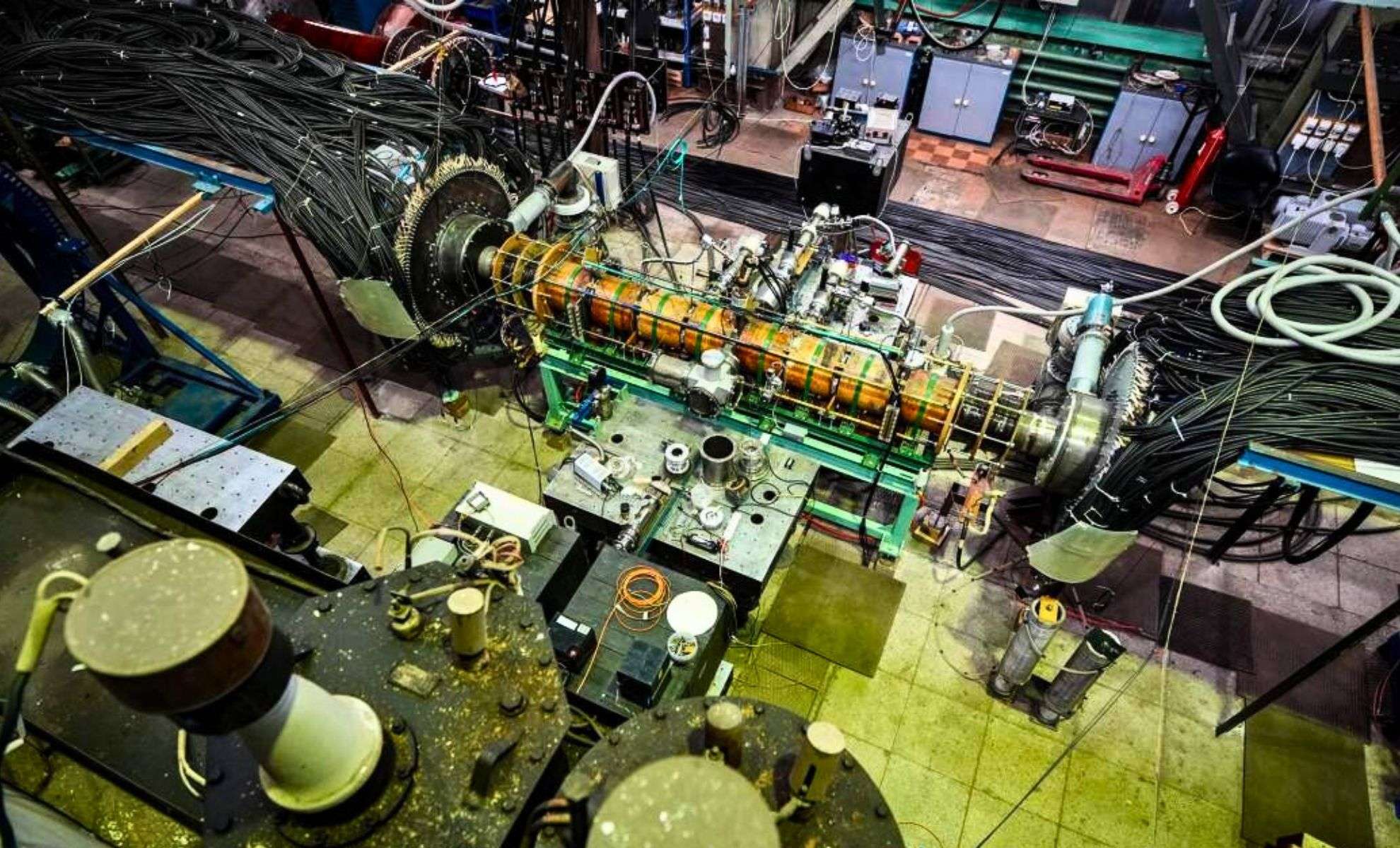
A team of Russian researchers has introduced a groundbreaking plasma propulsion system that promises to reduce the voyage to Mars from several months down to merely 30 to 60 days. If realized, this technological leap would revolutionize long-distance space missions and bring crewed deep-space travel within reach. But how close is this advanced engine to actual deployment?
Understanding the Magnetoplasma Thruster
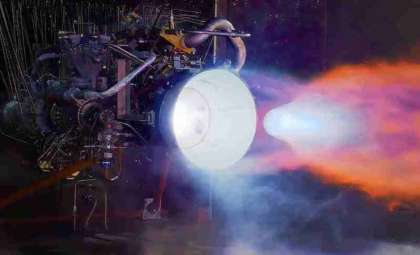
Created by specialists at Rosatom’s Troitsk Institute, the new magnetoplasma propulsion device operates on a principle distinct from traditional chemical rockets. Instead of combustion to generate thrust, it utilizes electromagnetic forces to accelerate charged particles—mainly hydrogen ions—to phenomenal speeds reaching 100 km/s (360,000 km/h). By contrast, conventional rockets typically max out at about 4.5 km/s due to fuel and combustion limits.
Rather than a brief, high-power burst like chemical rockets, this plasma engine offers sustained acceleration, steadily increasing velocity over long periods. This continuous thrust could enable spacecraft to cover the distance to Mars within 30 to 60 days, minimizing astronauts’ exposure to high-energy cosmic rays and alleviating psychological stresses.

Testing the First Prototype
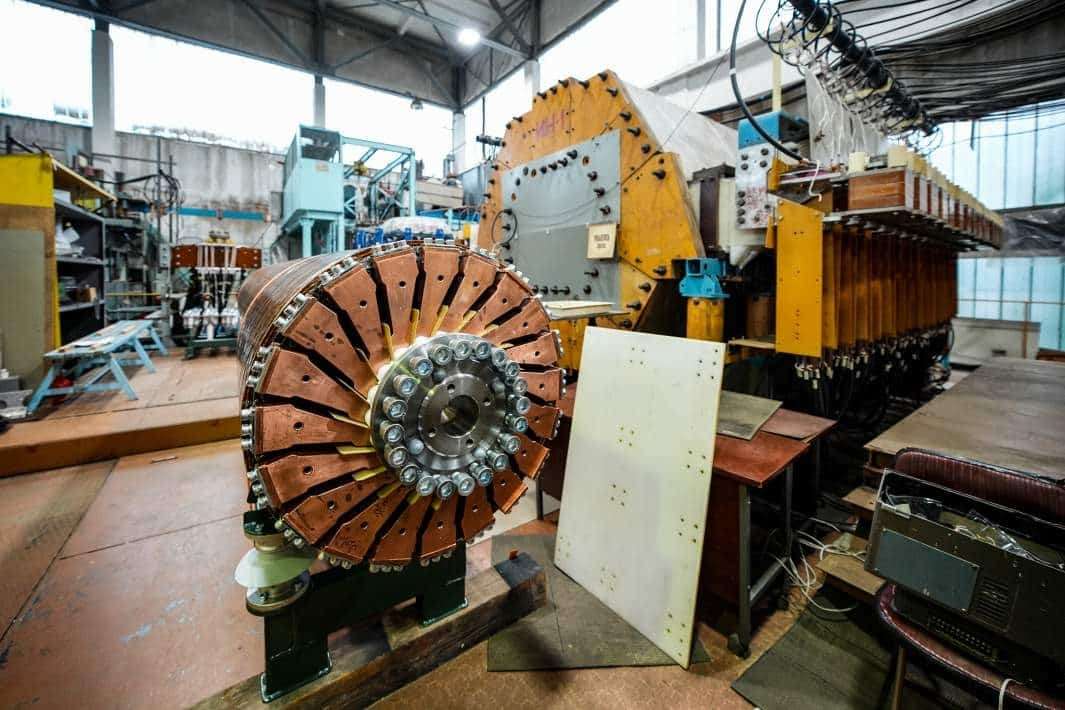
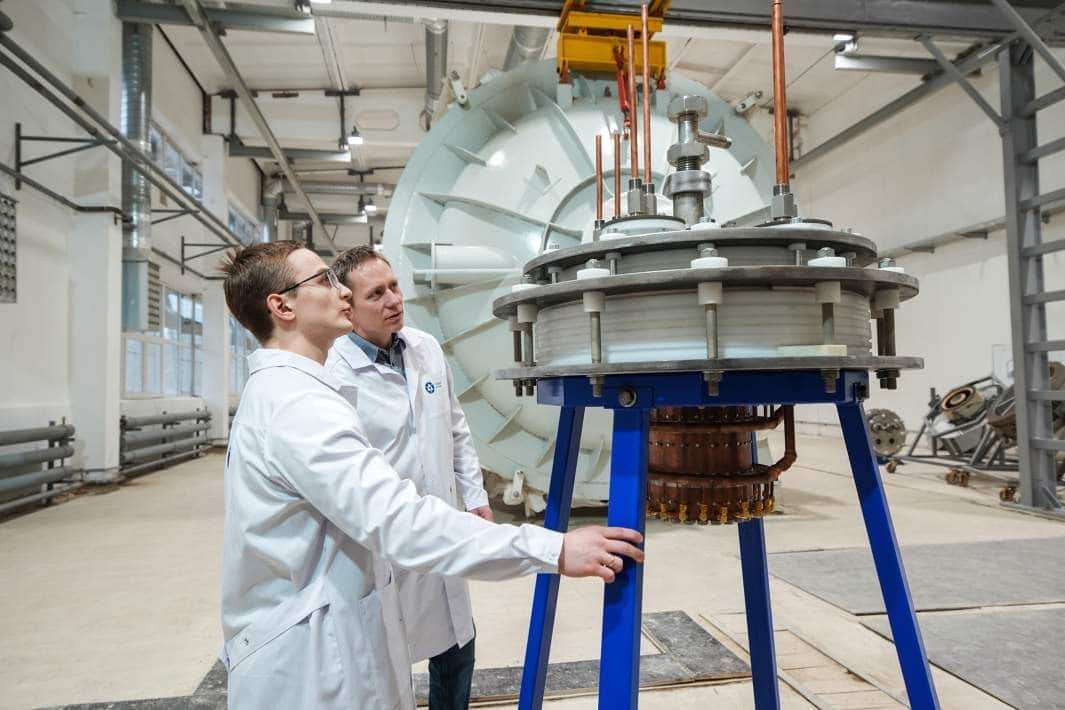
This development is beyond theory; researchers at Rosatom have constructed a functional prototype now undergoing rigorous ground-based trials. The experimental engine operates inside a vacuum chamber measuring 4 meters in diameter and 14 meters long, simulating the conditions of outer space. Running in a pulse-periodic regime, it delivers a power output of 300 kW and has proven durability for at least 2,400 hours, sufficient for missions to Mars.
Designed to complement rather than replace conventional chemical boosters, the engine is intended for use after spacecraft reach orbit, and it could function as a space tug, expediting cargo transfers between planetary orbits more efficiently than existing propulsion systems.
Hydrogen: The Optimal Propellant
A key aspect of this engine’s design is its use of hydrogen as the main fuel source. Its benefits include:
- Light weight and plentiful: Hydrogen is the universe’s most abundant element and could potentially be collected during space missions.
- Efficient acceleration: Lighter hydrogen ions enable faster ionization and thrust generation, boosting propulsion effectiveness.
- Reduced thermal stress: Unlike many plasma engines, this system avoids generating extreme heat, which lowers wear on core components.
How It Stacks Up Against Current Propulsion Technologies
Though plasma propulsion has existed for some time, the velocity Rosatom targets—around 100 km/s—surpasses current ion thrusters, which generally reach a maximum of 30 to 50 km/s. Achieving such performance would position Russia well ahead of other nations developing advanced propulsion solutions.
Russia’s expertise is already evident, with its plasma thrusters powering missions like NASA’s Psyche spacecraft and various OneWeb satellites. This new technology aims to push those capabilities to unprecedented levels.
Timeline for Space Deployment
The development plan is bold: a flight-ready version of the plasma engine is anticipated by 2030, according to the project’s scientific advisor. While ambitious, Russia’s consistent advances in space propulsion lend credibility to this schedule.
If it arrives on time, this engine could promote quicker Martian missions, extend human reach deeper into the solar system, and potentially enable exploration of the outer planets within a human lifetime.
Potential Breakthrough or Overstated Promise?
The prospect of traveling to Mars in just one or two months is thrilling, yet key challenges persist:
- Verification: Independent peer-reviewed validations of the engine’s performance are still pending.
- Spacecraft integration: Effective incorporation into crewed Mars missions requires further engineering.
- Energy requirements: Operating the engine will likely need a nuclear power source, complicating mission design.
Despite these hurdles, if fully realized, this plasma engine could usher in a transformative era in spaceflight, making rapid Mars travel more attainable than ever.
The article was originally published in En.iz.ru.
- Categories:
- News








0 comments
Sign in to Comment