
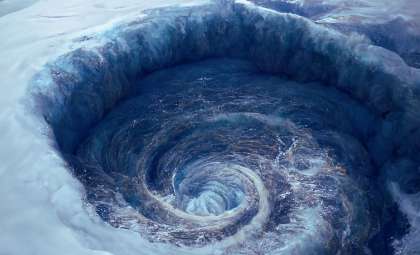
The North Sea, renowned for its historical significance and role in energy production, conceals an extraordinary geological phenomenon. A recent investigation led by experts at the University of Manchester has revealed a rare case of stratigraphic inversion, where the typical ordering of Earth's layers is unexpectedly flipped, challenging long-standing geological principles.
An Enigmatic Formation Beneath the Waves
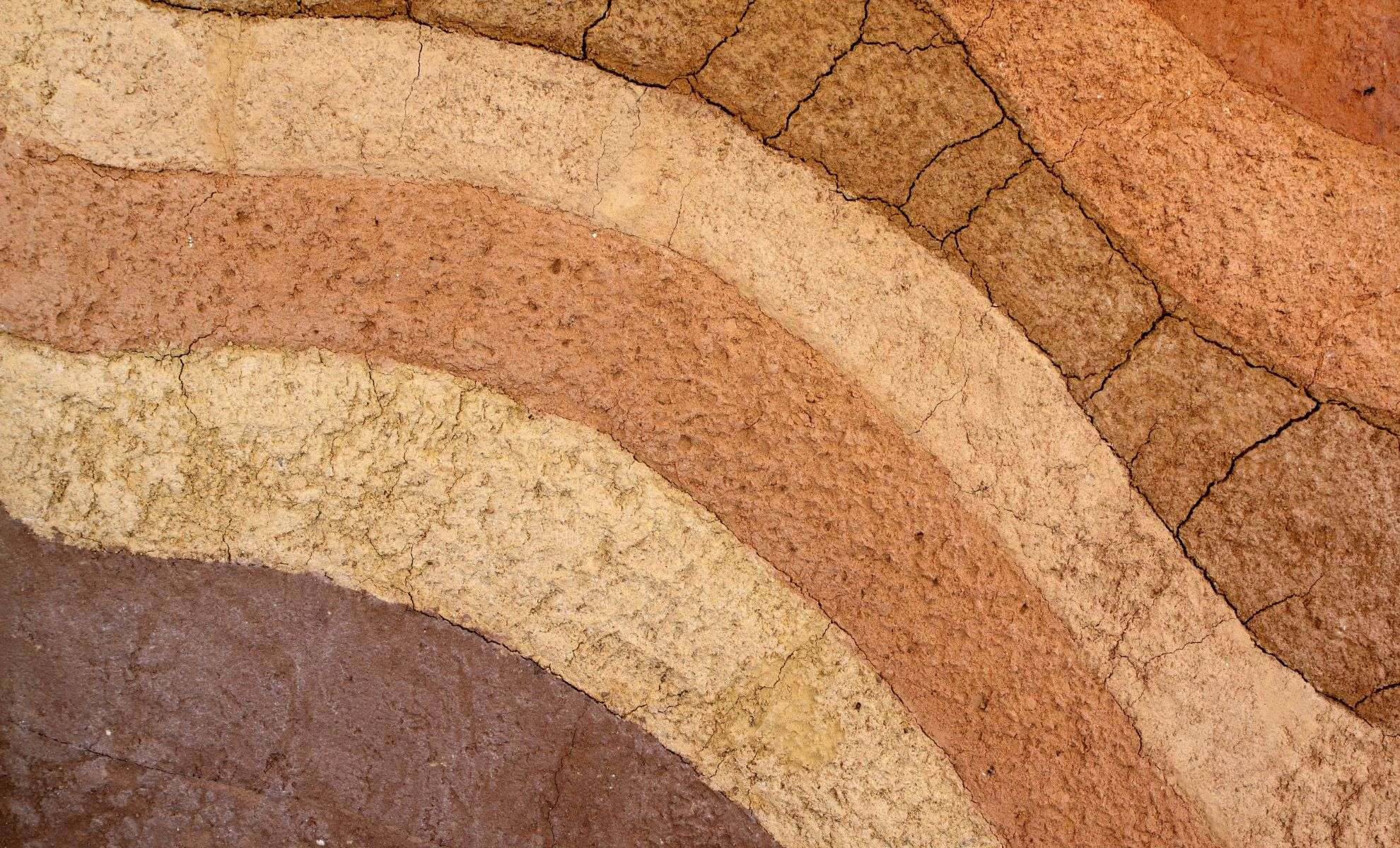
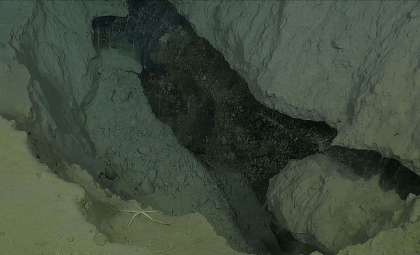
Typically, younger rock layers form atop older ones, creating a consistent sequence that geologists depend on for interpretation. Yet in the North Sea, enormous structures known as “sinkites” defy this norm. These mounds, extending for several kilometers, exhibit younger sediments positioned below older deposits, contrary to usual stratification patterns.
This unusual layering traces back millions of years and is believed to originate from seismic disturbances. Intense earthquake activity altered subsurface pressures, causing sand to liquefy and migrate downward through cracks in the seabed. This movement pushed older sediment layers upward, producing an unprecedented geological structure on a massive scale.

Reverse Layering: A Geological First
The North Sea’s sinkite formations illustrate how ancient seismic events can turn geology on its head. Researchers argue that these earthquakes dramatically shifted underground pressure, liquefying sand that squeezed through fractures and displaced older strata upwards. This resulted in the lighter, younger sediments resting atop, effectively reversing the standard vertical order of layers beneath the seabed.
The term “floatites” has been coined for these unique formations, highlighting a distinctive sediment movement process. Such findings offer fresh perspectives on subterranean geological dynamics and could alter scientific approaches to studying subterranean deposits.
Implications for Energy and Environmental Strategies
Grasping the mechanisms behind these inverted layers has potential to revolutionize methods energy industries use to locate and evaluate subsurface oil and gas reservoirs. This insight improves understanding of fluid flow and containment, crucial for efficient resource extraction. Moreover, as reliance on fossil fuels wanes, these discoveries gain importance for advancing carbon capture and storage (CCS) technologies.
Given the North Sea’s strategic role in Europe’s push towards sustainable energy, especially through expanding wind power, it’s vital to appreciate both its geological feedback and historical context. Investigating these exceptional sedimentary structures can refine methods for harnessing renewable energy and securely storing carbon emissions in the future.
The North Sea’s Transition to Renewable Power
Looking forward, the North Sea aims to become a leading hub for renewable energy in Northern Europe, targeting up to 120 gigawatts of wind power capacity by 2030. As the region shifts from traditional oil and gas production to green energy leadership, detailed knowledge of its underlying geological framework will be essential for strategic development.
The identification of stratigraphic inversion in this area not only reshapes scientific understanding of the seabed’s history but also underpins its evolving role in the sustainable energy landscape.
- Categories:
- News








0 comments
Sign in to Comment