
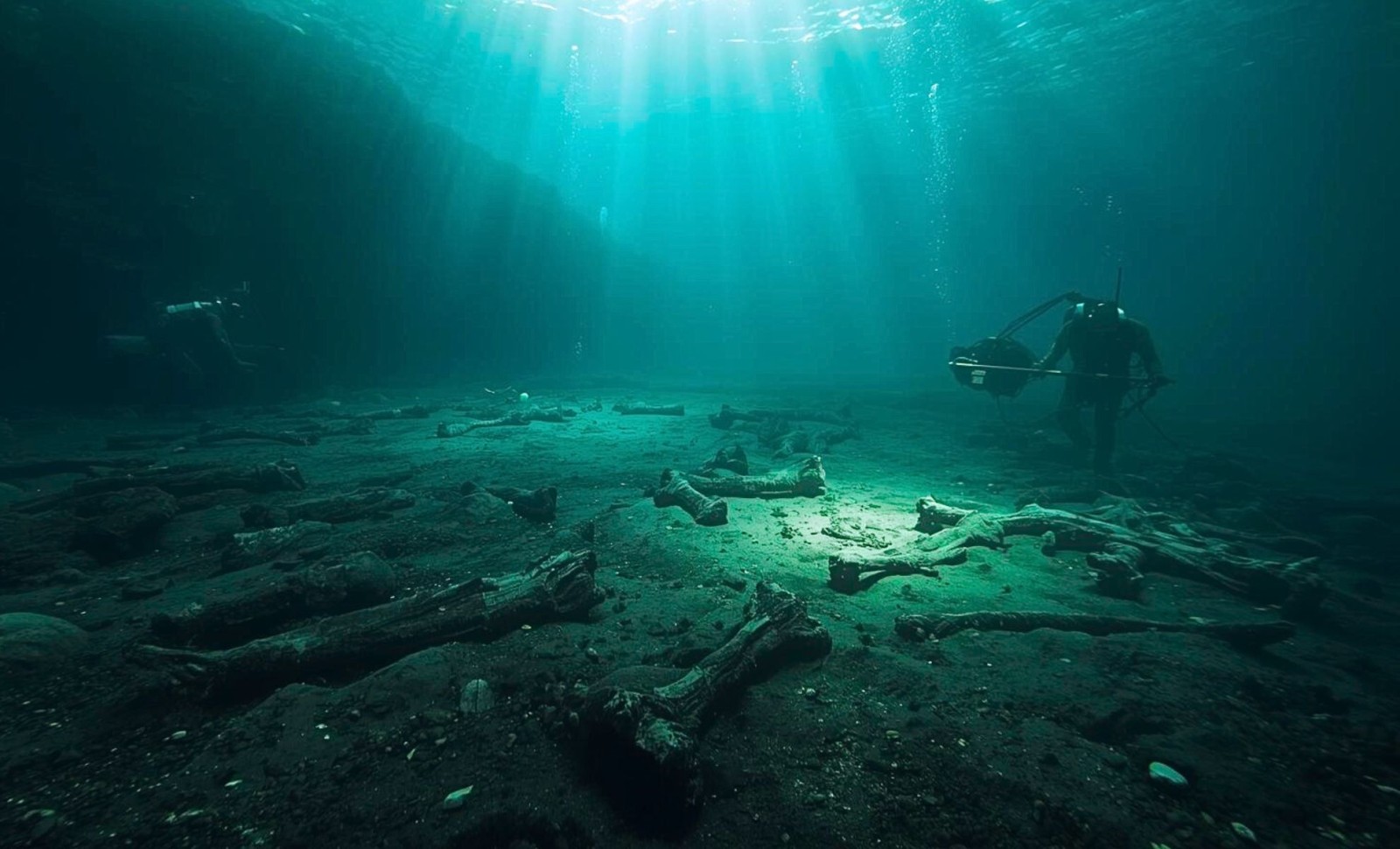
An extraordinary fossil discovery beneath the sea near Java, Indonesia is challenging previous views on early human evolution in Southeast Asia. Buried beneath sediment on the floor of the Madura Strait, researchers uncovered fossilized remains of Homo erectus within a submerged prehistoric river valley that once linked Java to mainland Asia.
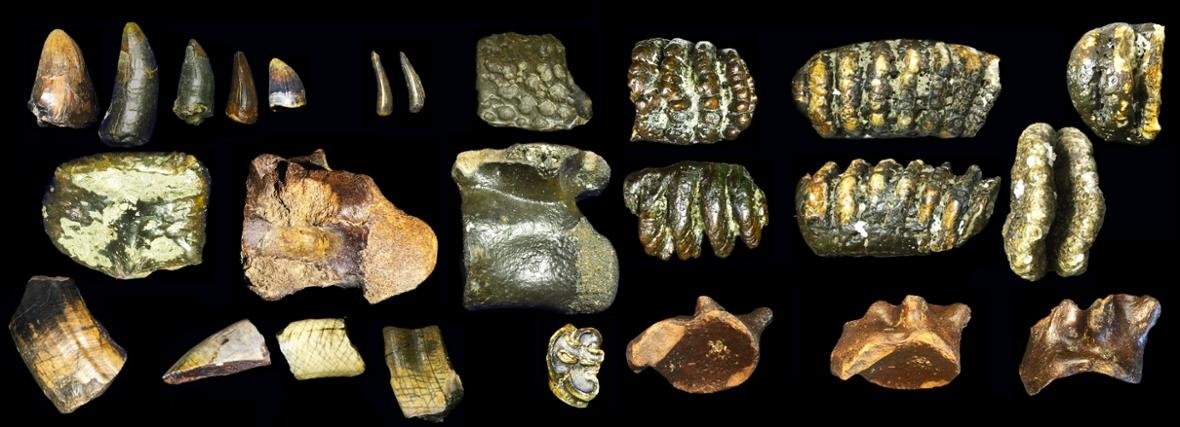
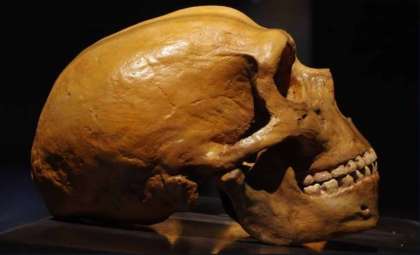
This groundbreaking find, the first from the underwater region of Sundaland, includes two skull fragments attributed to Homo erectus. The fossils surfaced during marine dredging activities near Surabaya, part of a land reclamation project that also revealed over 6,000 fossil specimens—including remains of elephants, rhinos, crocodiles, and Komodo dragons.
Significantly, these fossils date back approximately 140,000 years, corresponding to the penultimate glacial period, when sea levels were drastically lower. This evidence points to a hominin community that was not isolated but instead active, mobile, and socially sophisticated.

Unearthing Ancient Sundaland's Secrets
During the last Ice Age, the present-day Java Sea existed as an expansive plain dotted with savannah-like fields and winding rivers. This area, known as Sundaland, emerged due to lower sea levels, creating a continuous land bridge connecting the Indonesian islands with mainland Asia.
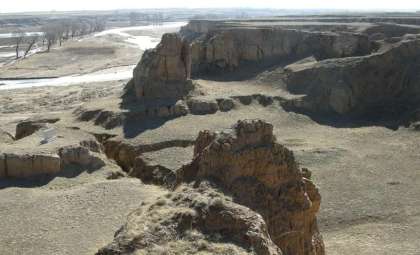
The fossils originated from sediment layers associated with an ancient branch of the Solo River system, once an abundant freshwater network. Scientists from Leiden University, working alongside teams from Indonesia, Germany, Australia, and Japan, employed optically stimulated luminescence (OSL) dating techniques to determine the valley sediment ages range from 163,000 to 119,000 years ago.
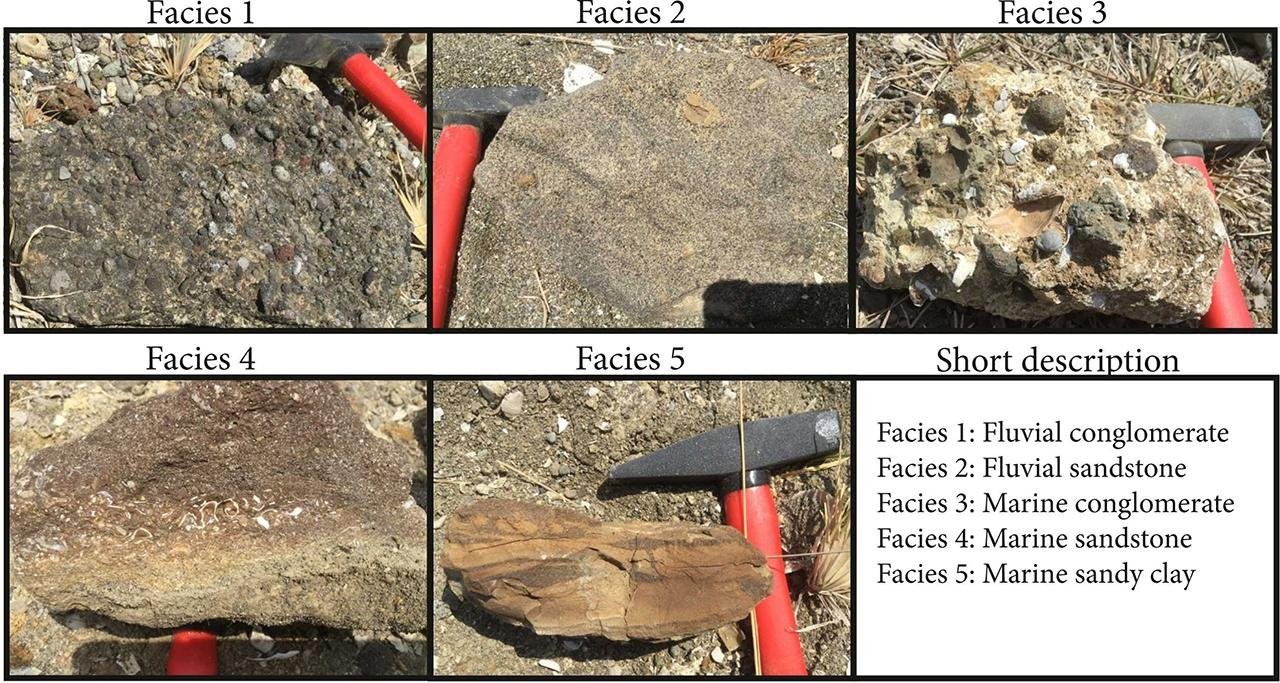
As highlighted in an in-depth report by Archaeology News Online Magazine, these fossils represent the first documented Homo erectus remains retrieved from a sunken prehistoric landscape. The research, headed by Harold Berghuis of Leiden University, was published in Quaternary Environments and Humans.
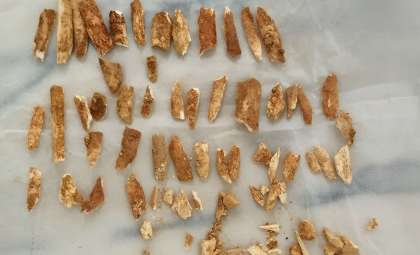
Rather than a lone remarkable fossil, the excavation yielded a varied collection of remains, providing a window into an ancient ecosystem. Among these were turtle bones bearing cut marks and numerous fragmented bovid bones, indicating that Homo erectus at this locality practiced hunting and butchering large animals—a behavior previously undocumented in Java’s archaeological record.
Skillful Hunters, Not Mere Survivors
For many years, researchers thought that Homo erectus populations on Java were geographically isolated and genetically stagnant. These new findings challenge that view. The evidence of targeted hunting, careful bone processing, and access to rich water-based resources depicts a group employing sophisticated survival techniques, rather than a marginal population barely surviving.
According to the Leiden University report, the team documented clear cut marks on turtle bones alongside fractured bovid bones consistent with marrow extraction. These findings suggest organized butchery, involving advanced tool use, foresight, and social collaboration.
These behaviors resemble those observed in later hominin groups from mainland Asia, suggesting possibilities of cultural exchanges or intermittent interactions between populations. Though direct proof of interbreeding is yet unavailable, such behavioral commonalities imply the Southeast Asian Homo erectus may have had more contact outside their region than previously thought.
The research team notes that the Brantas and Solo rivers which nourished this land likely functioned as natural travel routes for both humans and animals, especially during periods of environmental stress and reduced precipitation.
Changing Sea Levels, New Perspectives on Human Origins
This discovery provides vital insights into early human movements in Southeast Asia. Until now, Homo erectus finds in Java were mostly confined to sites like Trinil, Sangiran, and Ngandong, located in upland or inland terraces. The Madura Strait fossils come from a coastal lowland habitat, demonstrating that early humans inhabited and adapted to a variety of environments, including those now submerged beneath the ocean.
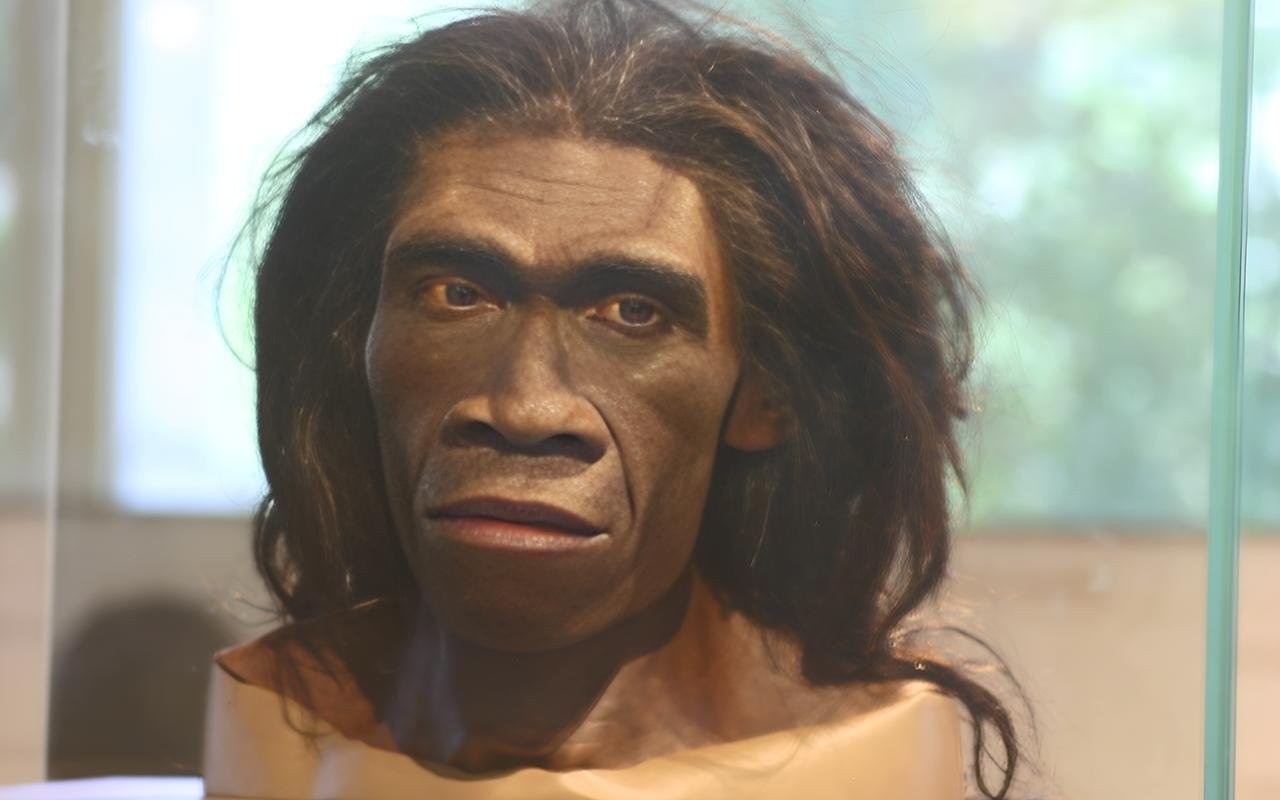
During the Pleistocene, this expanse resembled today’s African savannahs—with dry grasslands and rivers supporting a thriving community of megafauna. These low-lying zones likely served as safe havens and migration pathways throughout glacial periods, facilitating Homo erectus expansion and adaptability amid climate fluctuations.
Transitioning from terrestrial river valleys to tidal estuary settings helped preserve a diverse array of organic remains. The scientists suggest this unique environment fostered exceptional fossil preservation, providing a comprehensive snapshot of both ecosystem dynamics and early human activity—surpassing the clarity found at other Southeast Asian archaeological locations.
- Categories:
- Science









0 comments
Sign in to Comment