
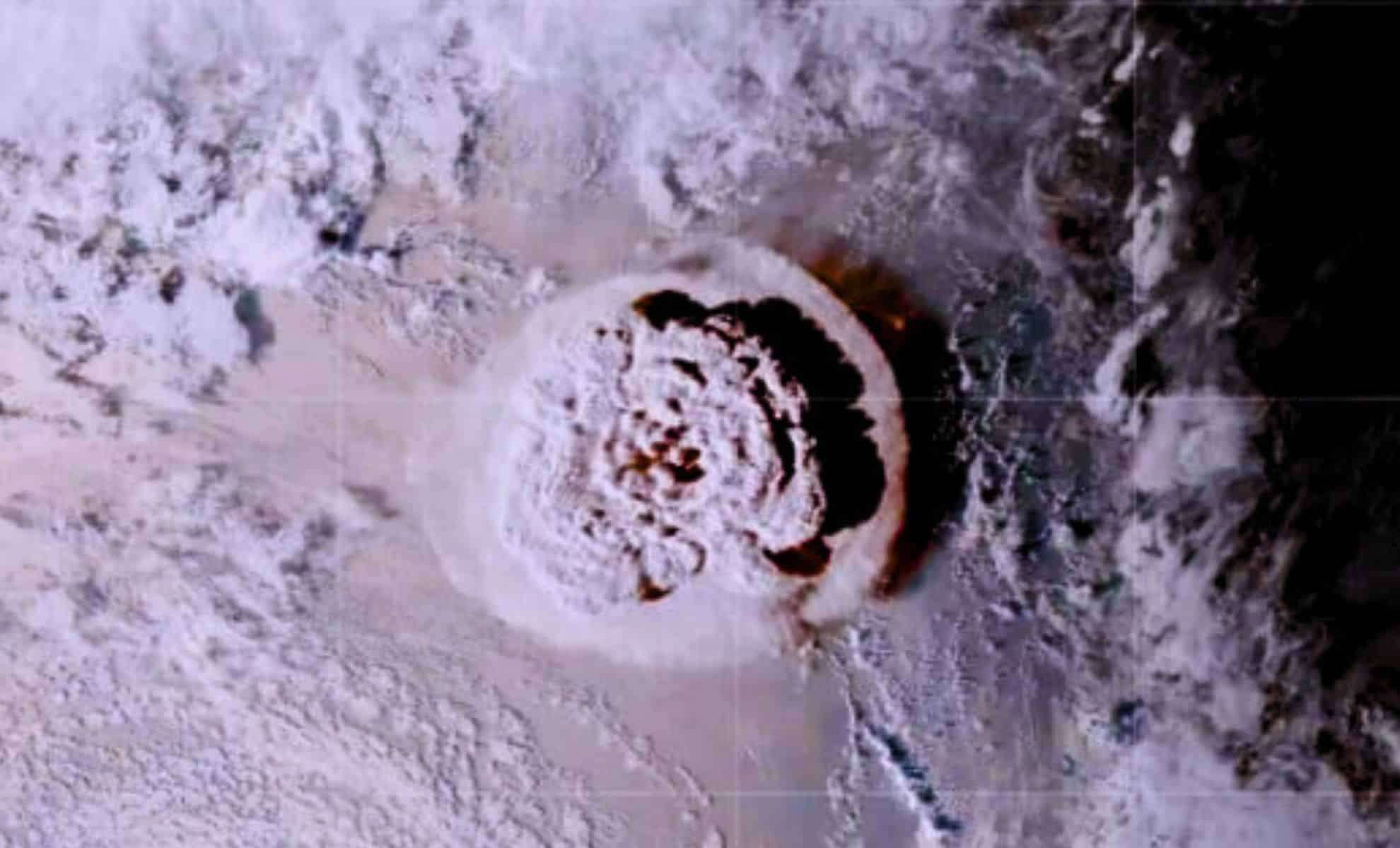
A puzzling seismic vibration observed shortly before the powerful Hunga Tonga-Hunga Ha’apai volcanic eruption in January 2022 has unveiled novel understandings of volcanic behavior. Coupled with discoveries about rare atmospheric disturbances resulting from the eruption, these insights are advancing disaster readiness and atmospheric research.
Record-Breaking Underwater Blast by Hunga Tonga Volcano
Located in the South Pacific near Tonga, the Hunga Tonga-Hunga Ha’apai volcano unleashed one of the most extraordinary geological events on January 15, 2022. The explosion annihilated the volcanic landmass, devastated coastal zones in Tonga, and sent powerful shockwaves encircling the planet. Witnesses reported the eruption as one of the loudest natural occurrences recorded in over a century.
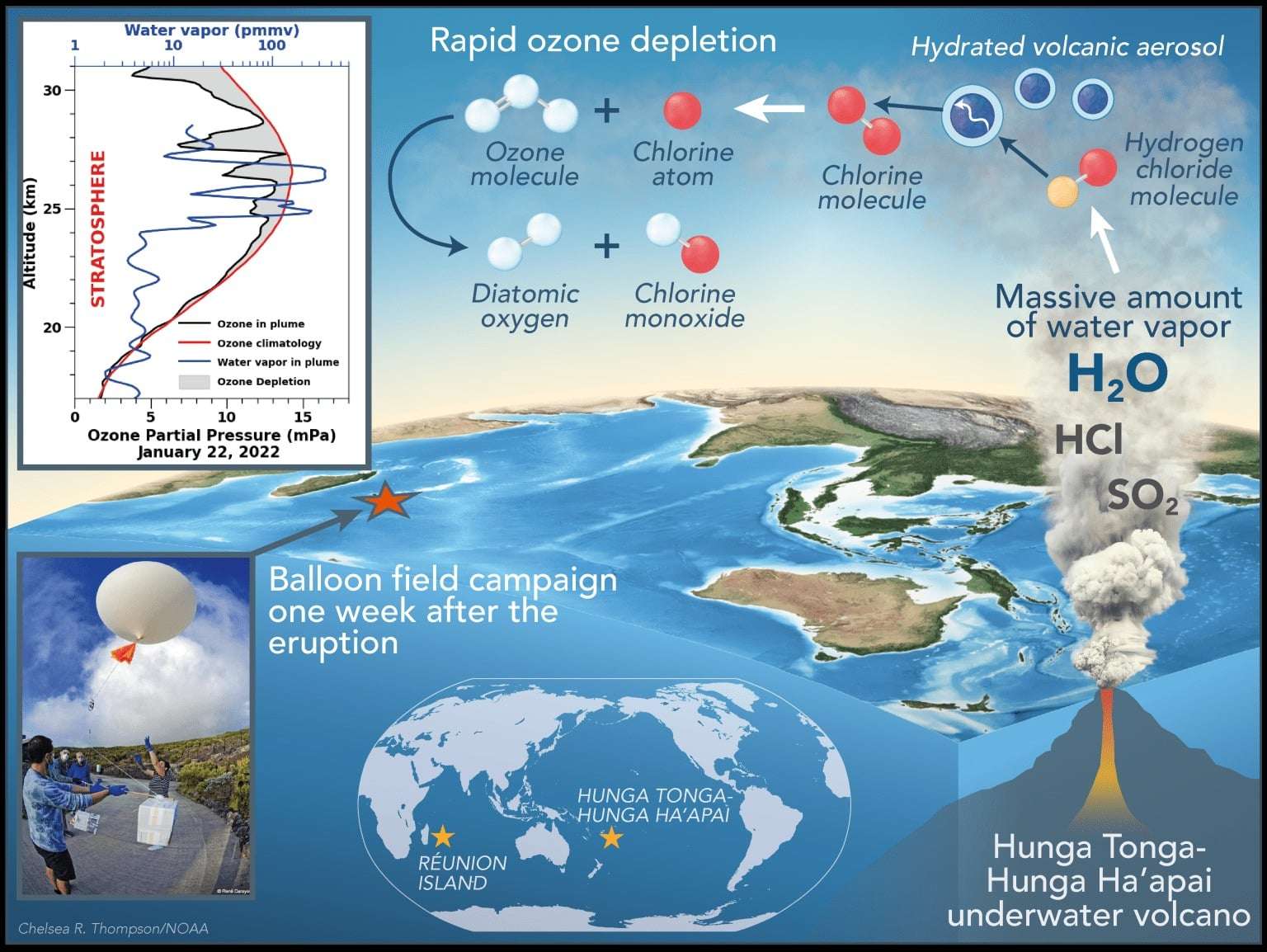
The eruption propelled a towering plume of ash, gases, and water vapor exceeding 30 kilometers into the stratosphere. This plume contained approximately 150 million tons of water vapor, profoundly impacting atmospheric composition. This massive water vapor release accelerated sulfate aerosol creation—microscopic particles essential to climate regulation—and triggered widespread ozone layer thinning.

Important Highlights of the Eruption:
- Plume elevation: Surpassed 30 kilometers, ranking among the highest documented.
- Water vapor amount: 150 million tons altering stratospheric chemistry.
- Global consequences: Influenced record-breaking global temperatures in 2022.
Tonga experienced severe ramifications as ash coated many islands, jeopardizing freshwater sources and forcing tens of thousands to relocate. The eruption-induced tsunamis propagated across the Pacific, impacting distant countries including New Zealand, Japan, and the USA.
Seismic Signal: A Quiet Warning Before the Explosion
Prior to the eruption’s catastrophic peak, scientists observed a distinct seismic phenomenon known as a Rayleigh wave. These waves move along Earth’s surface and are commonly linked to earthquakes, but this instance marked the first detection related to a massive submarine volcanic event. Sensors located in Fiji and Futuna, more than 750 kilometers distant, recorded the wave advancing beneath Earth’s crust roughly fifteen minutes before the eruption.
This insight presents promising avenues for volcanic science. The Rayleigh wave was produced by the abrupt collapse of the volcano’s caldera combined with rapid magma and seawater interaction, destabilizing the volcano and triggering an immense pressure release. Though undetectable to humans, these waves could act as early indicators, allowing crucial time to advance evacuations and lessen disaster impacts if monitoring technology improves.
University of Tokyo volcanologist Dr. Mie Ichihara highlighted its significance: “This wave acts like a signal. If we can learn to detect it, we might predict events we once thought unforeseeable.”
Unique Atmospheric Effects of Aerosols Following the Eruption
The eruption’s influence reached beyond ground disturbances, radically transforming atmospheric chemistry. Unlike typical eruptions dominated by sulfur dioxide emissions, the Hunga Tonga event released extraordinary amounts of water vapor, reshaping aerosol formation processes.
In just days, the water vapor combined with sulfur dioxide to form a thick layer of sulfate aerosols—tiny particles that scatter sunlight and cool global temperatures. This aerosol development occurred at thrice the usual speed, fueled by abundant water vapor. Moreover, the particles significantly weakened the ozone layer, reducing its concentration by as much as 30% in affected regions.
Summary of atmospheric consequences:
- Aerosol creation speed: Tripled normal rates due to enhanced water vapor presence.
- Ozone layer loss: Immediate declines up to 30%, lasting several weeks.
Advancements for Disaster Forecasting and Climate Understanding
The eruption has expanded horizons in disaster risk management and atmospheric science. Detecting Rayleigh waves offers potential for forecasting underwater volcanic blasts, providing valuable minutes to alert communities and orchestrate evacuations, especially in vulnerable island regions like Tonga.
Furthermore, this event stresses the need to deepen comprehension of how towering volcanic eruptions influence global climate dynamics. The vast injection of aerosols and greenhouse gases challenges existing models and ignites discussions about the prospects of geoengineering strategies aimed at mitigating climate change through atmospheric modification.
These discoveries were detailed in the Proceedings of the National Academy of Sciences.
- Categories:
- Science






0 comments
Sign in to Comment